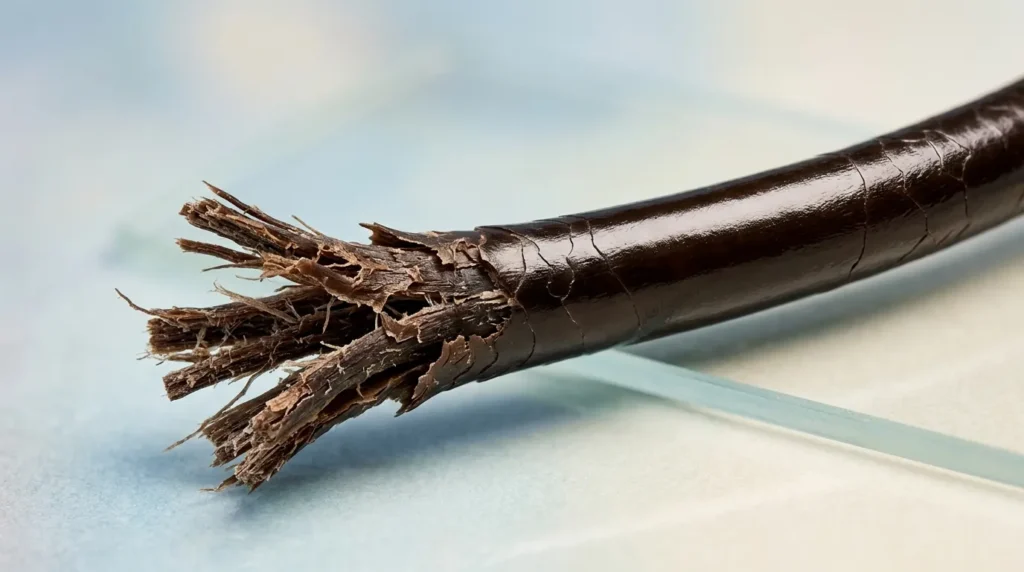

Finding short broken strands scattered around your sink or noticing your ends look rough and uneven is a clear sign your hair is dealing with breakage, not just normal shedding. Breakage happens when the hair shaft itself becomes weak and snaps, and it almost always has a fixable cause behind it. Here is why it happens and exactly how to stop it. If you’re also seeing less overall hair density or a widening part, our Why Is My Hair Thinning guide explains the most common causes of thinning hair and the practical steps you can take to improve hair health.
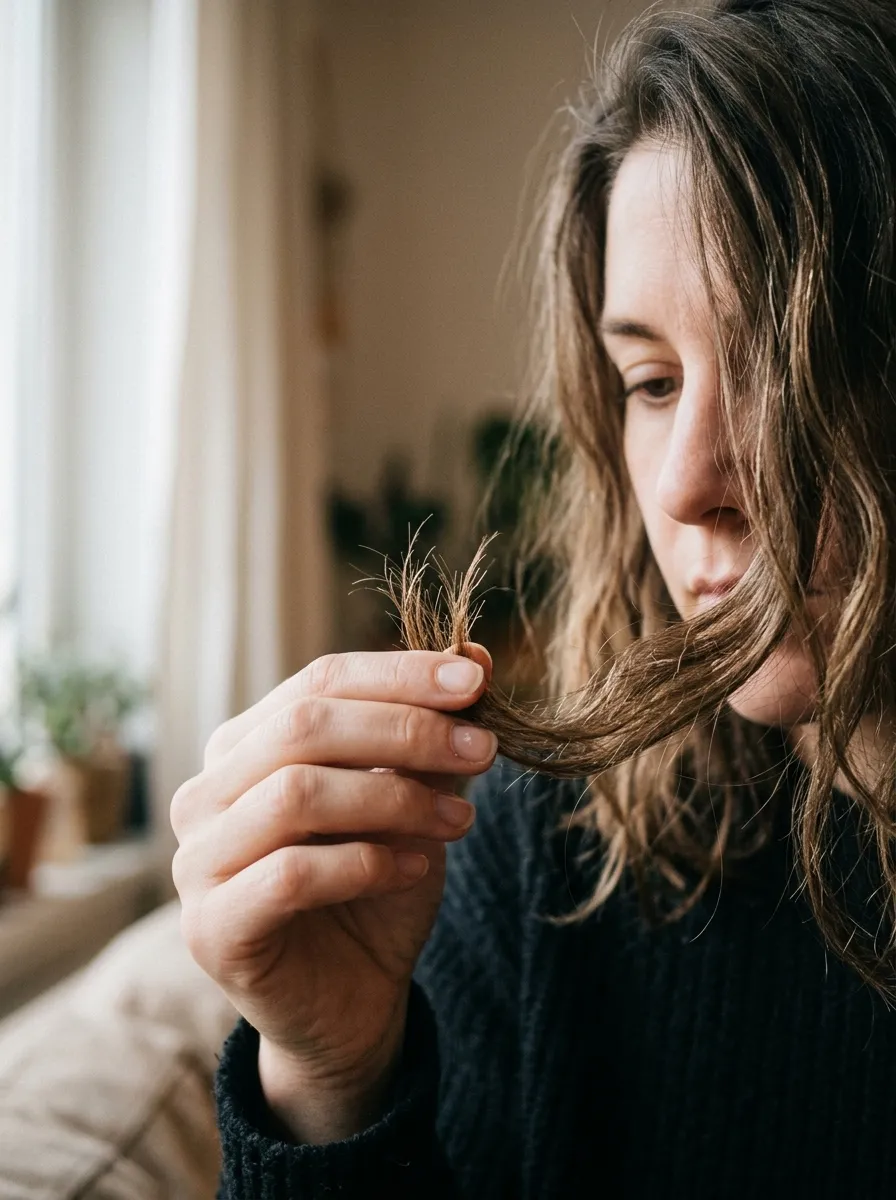
Understanding the Difference Between Breakage and Shedding
Before fixing the problem, it helps to know what you are actually dealing with. Shedding is normal hair loss from the root, while breakage happens mid strand, leaving short, uneven pieces.
- Broken hair often looks frizzy or jagged at the tip, not tapered
- You may notice more short strands around your part or hairline
- Breakage tends to worsen gradually rather than appearing suddenly
Once you know it is breakage specifically, you can target the actual cause instead of guessing.
Excessive Heat Styling Weakens the Hair Shaft
Repeated exposure to hot tools without protection is one of the most common causes of breakage, since heat damages the protective outer layer of each strand.
- Always use a heat protectant before blow drying, straightening, or curling
- Lower your heat settings, especially on fine or already damaged hair
- Give your hair regular breaks from heat styling to recover

Once the cuticle is damaged from heat, it cannot fully repair itself, only grow out, which makes prevention especially important here.
Overprocessing From Chemical Treatments
Coloring, bleaching, relaxing, or perming hair too frequently weakens the internal structure of each strand, making it far more prone to snapping.
- Space out chemical treatments as much as possible
- Use bond building or protein treatments alongside coloring services
- Consider growing out heavily processed sections rather than repeating harsh treatments
If your hair feels straw like or overly porous after a treatment, that is often a sign it needs a recovery period before anything further is done to it.
Lack of Moisture Makes Hair Brittle
Dry hair is far more likely to break than hair that is properly hydrated, since moisture keeps strands flexible instead of stiff and prone to snapping.
- Use a moisturizing conditioner every wash
- Add a weekly deep conditioning or hair mask treatment
- Seal in moisture with a lightweight oil or serum on damp hair
Hydration needs to be consistent rather than occasional, since brittle hair usually took weeks or months to reach that point.
Rough Handling and Friction
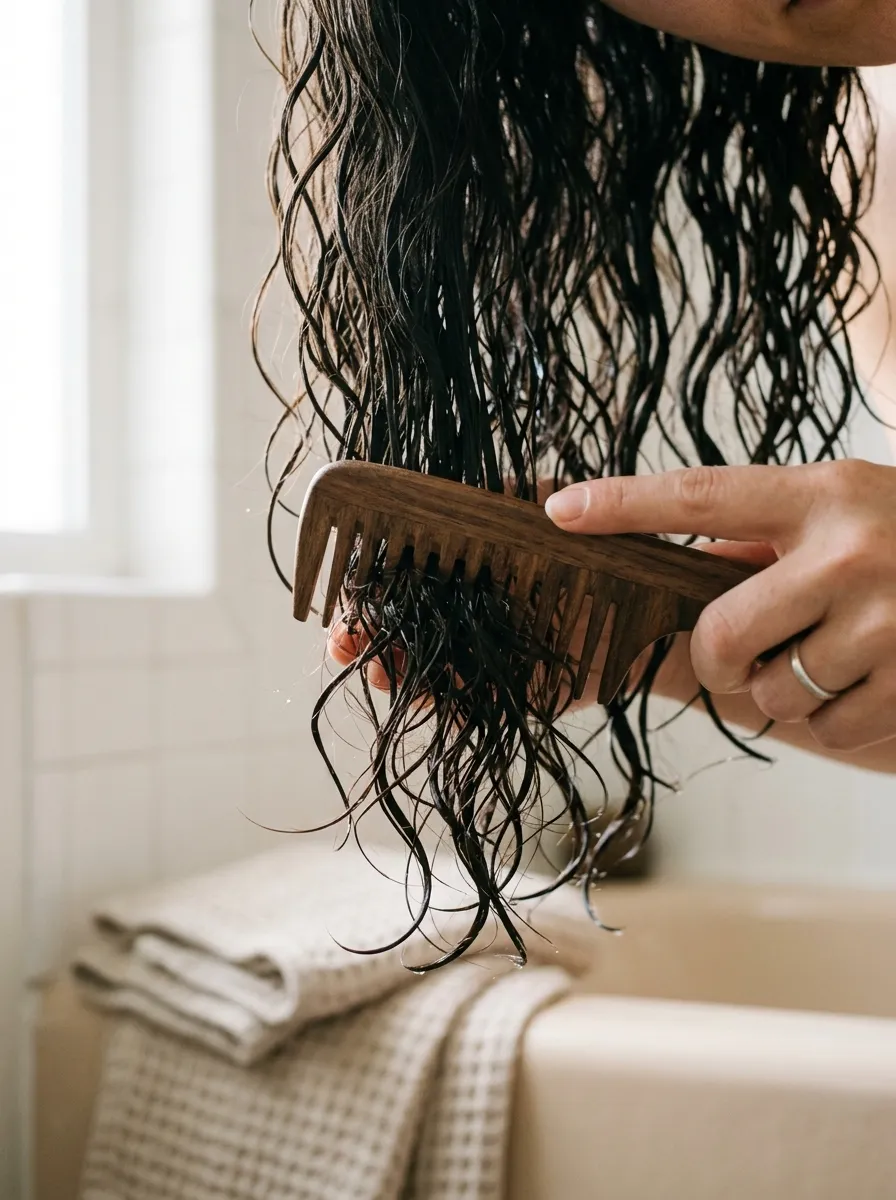
How you physically handle your hair on a daily basis plays a bigger role in breakage than most people realize.
- Detangle gently starting from the ends, working upward, never from the root down
- Switch to a wide tooth comb or wet brush instead of a regular brush on wet hair
- Use a silk or satin pillowcase to reduce nighttime friction
- Avoid tight hairstyles that pull and stress the same strands repeatedly
Small daily habits like these prevent unnecessary stress on hair that may already be weakened from other factors.
Nutritional and Health Factors
Since hair is made of protein, poor nutrition can directly affect its strength and flexibility over time.
- Ensure adequate protein intake in your diet
- Stay hydrated, since dehydration affects hair just as it affects skin
- Certain vitamin or mineral deficiencies can weaken hair structure as well
If breakage is sudden and severe despite good hair care habits, it may be worth checking in with a doctor to rule out an underlying nutritional or health cause.
Trimming Regularly Prevents Further Damage
It might feel counterproductive, but regular trims are one of the most effective ways to stop breakage from spreading up the hair shaft.
- Split ends left untreated will continue splitting further up the strand
- A trim every eight to twelve weeks keeps damage contained
- Ask your stylist specifically about a health trim rather than a length change if you are trying to grow your hair out
Final Thoughts
Breakage is frustrating, but it almost always responds well to a combination of gentler handling, consistent hydration, and reduced chemical or heat stress. Focus on treating the root causes rather than just the damaged ends, and give your hair time to recover, since real change happens over weeks, not days. Save this guide for later so you always know exactly where to start the next time breakage becomes a problem.