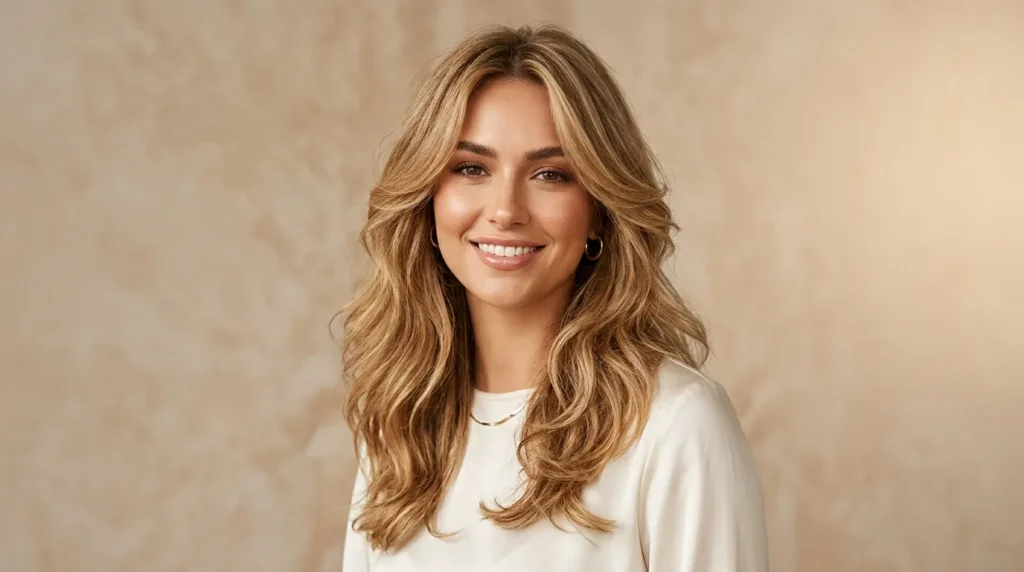

If your feed has been full of soft, layered hair that seems to move on its own lately, you have probably already seen a butterfly cut without even knowing its name. It is one of those haircuts that looks effortless but is actually built on very intentional layering. Here is exactly what it is, and whether it is the right choice for you. If your hair tends to snap or develop split ends, read our Why Does Hair Break Easily guide to learn the most common causes of breakage and the best ways to strengthen your strands before trying a new haircut.
What Makes a Haircut a Butterfly Cut
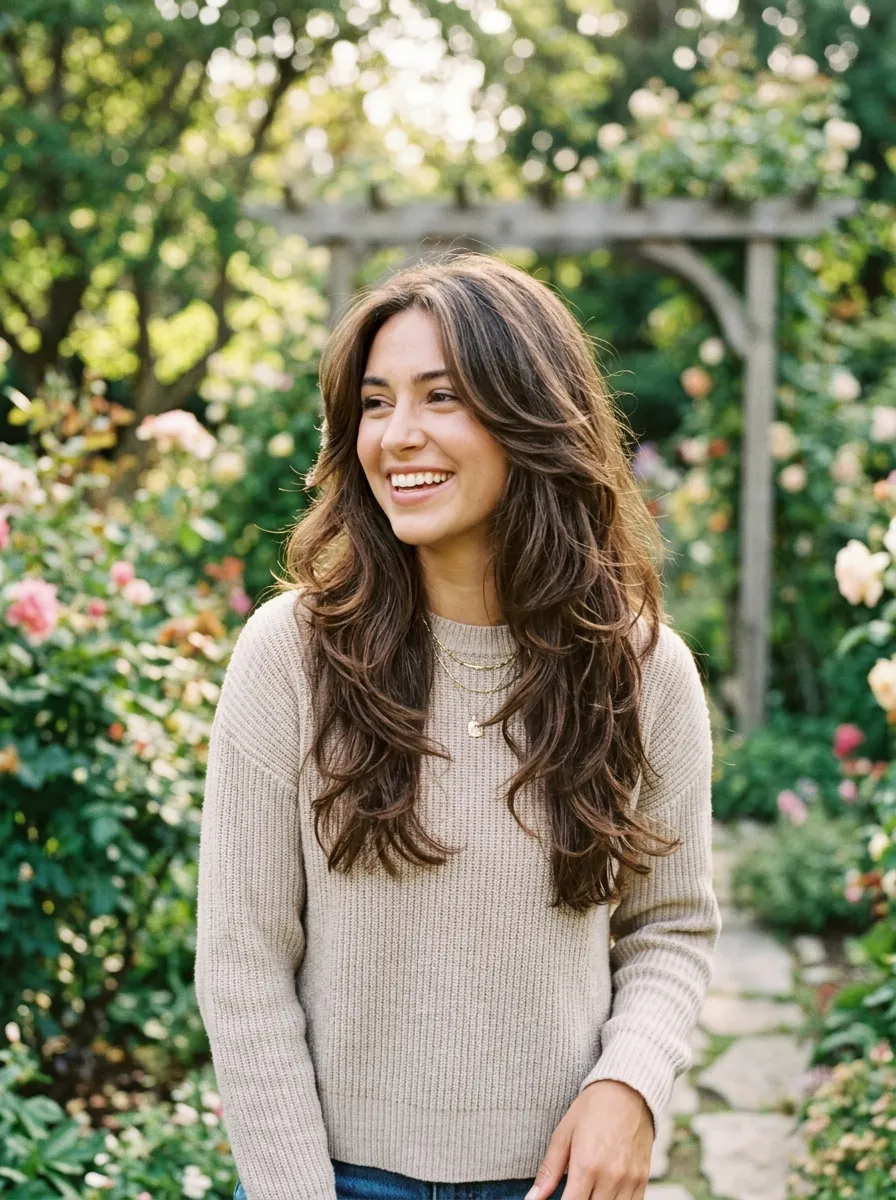
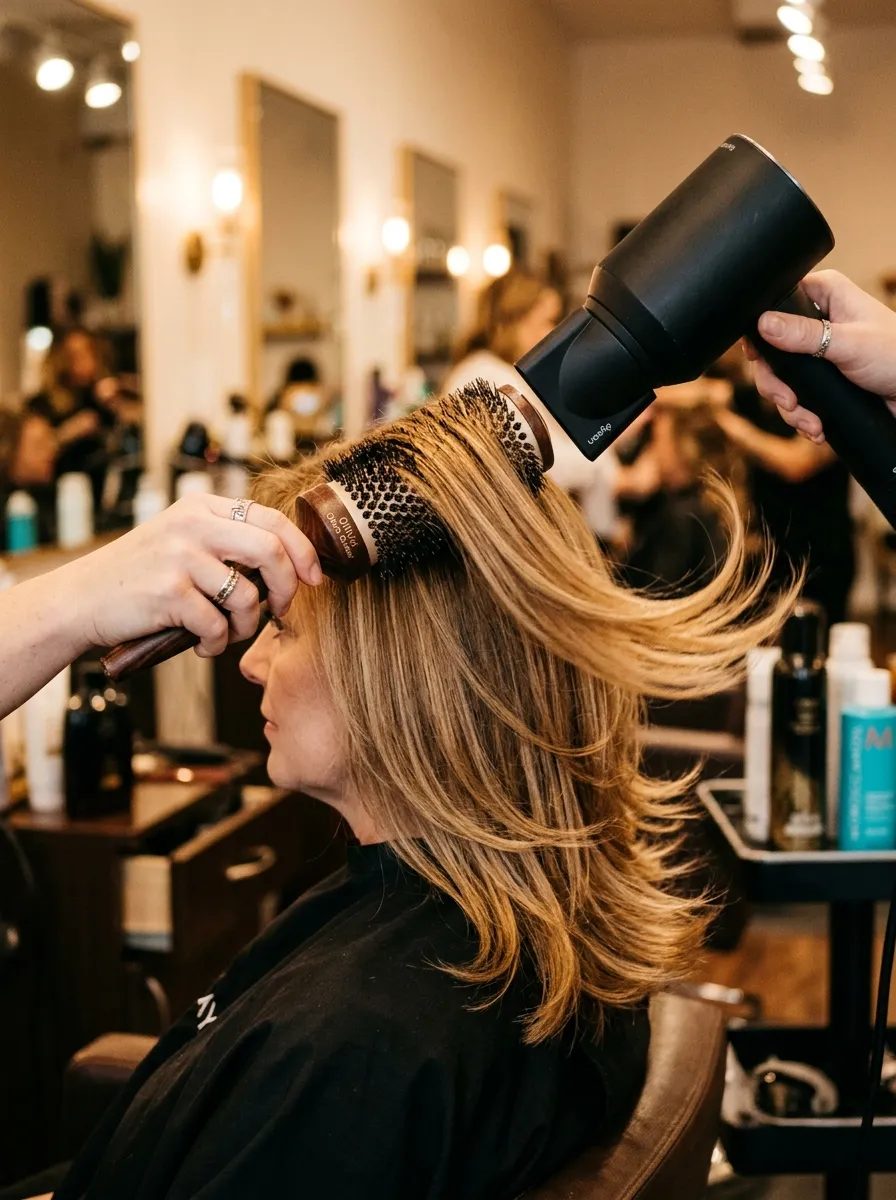
A butterfly haircut is defined by short, face framing layers around the crown that gradually blend into longer layers toward the ends. The name comes from the way the layers fan out and move like wings when the hair is styled, especially when curled or blown out with a round brush.
Unlike traditional long layers, which are often subtle and evenly spaced, butterfly layers are more dramatic near the top and taper out more gently toward the bottom. This creates noticeable shape and movement rather than just length removal.
The Key Features to Ask For
If you are heading to the salon, here is what actually makes the cut work.
- Short layers starting around the chin or collarbone area
- A gradual, blended taper down to the ends
- Face framing pieces that are cut shorter than the rest
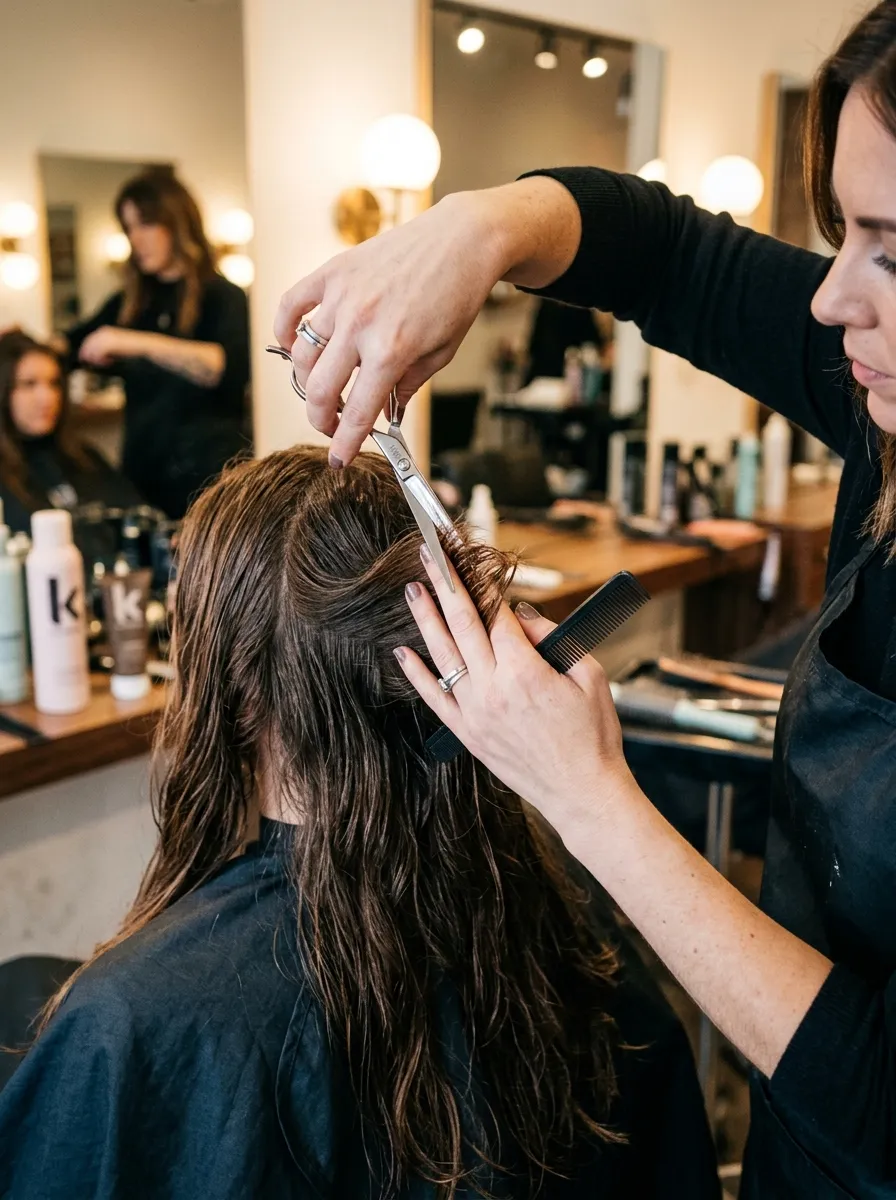
- Minimal blunt cutting, most of the work is done with layering shears
Who This Cut Works Best For
Butterfly cuts are versatile, but they do shine more on certain hair types and face shapes.
- Medium to thick hair benefits the most since the layers have enough density to create visible movement
- Long hair, generally past the shoulders, gives the layers enough room to fan out properly
- Naturally wavy or curly hair enhances the butterfly effect even more, since the layers already have built in texture
- Round or heart shaped faces often benefit from the shorter face framing pieces
Who Might Want to Think Twice
This cut is not automatically right for everyone, and that is okay.
- Very fine or thin hair can end up looking sparse or stringy with heavy layering
- Short hair, above the shoulders, does not usually have enough length for the signature blended effect
- If you want to keep maximum length and volume at the ends, heavy layering may not be the best fit
How to Style It for the Best Effect
The cut itself does a lot of the work, but styling brings out the full effect.
- Use a round brush while blow drying to encourage the layers to flip and blend
- Loose curls, whether from a wand or a flat iron, help emphasize the shorter layers around the face
- Texturizing spray adds grip and separation, making the movement more visible
How It Differs From Regular Long Layers
The biggest difference comes down to intensity and placement. Traditional long layers are usually softer and more evenly distributed throughout the length. Butterfly layers are shorter and more concentrated near the crown, then blend outward, giving a much bolder, more dimensional shape rather than just gentle movement.
Maintenance to Expect
Because the shorter layers sit closer to the face, regrowth can be more noticeable there first.
- Trims every eight to ten weeks help keep the shape crisp
- Regular deep conditioning helps since layering can leave ends slightly thinner
- A good heat protectant is worth using if you style with hot tools often, since the shorter layers get more direct heat exposure
Final Thoughts
A butterfly haircut is really about movement and shape rather than just length. If you have medium to long, decently thick hair and want a cut that looks effortlessly styled with real dimension, this is worth bringing up at your next salon appointment.
Save this guide so you know exactly what to ask your stylist for.