
If you feel like your hair goes from fresh and clean to greasy within a single day, you are definitely not alone. Oily hair is one of the most common frustrations people deal with, and it usually comes down to a handful of specific causes rather than bad luck. The good news is once you understand what is actually triggering the oil, you can make small changes that keep your hair fresher for longer. Here is what is really going on and how to fix it. If you plan to trim your hair at home between washes, our How to Section Hair for Cutting guide will help you create clean, even sections for a more precise and professional-looking haircut.
Your Scalp Naturally Produces Oil
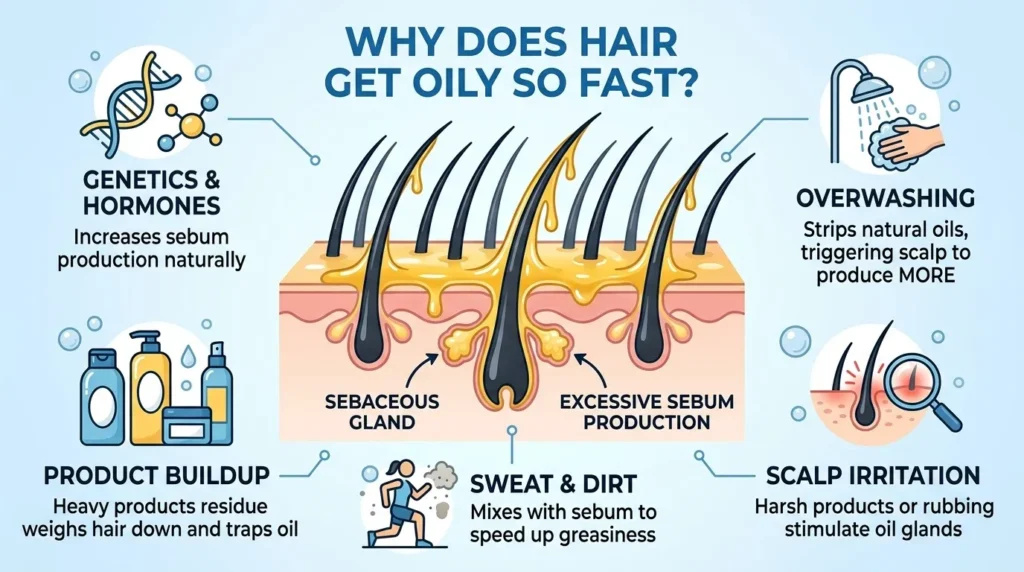
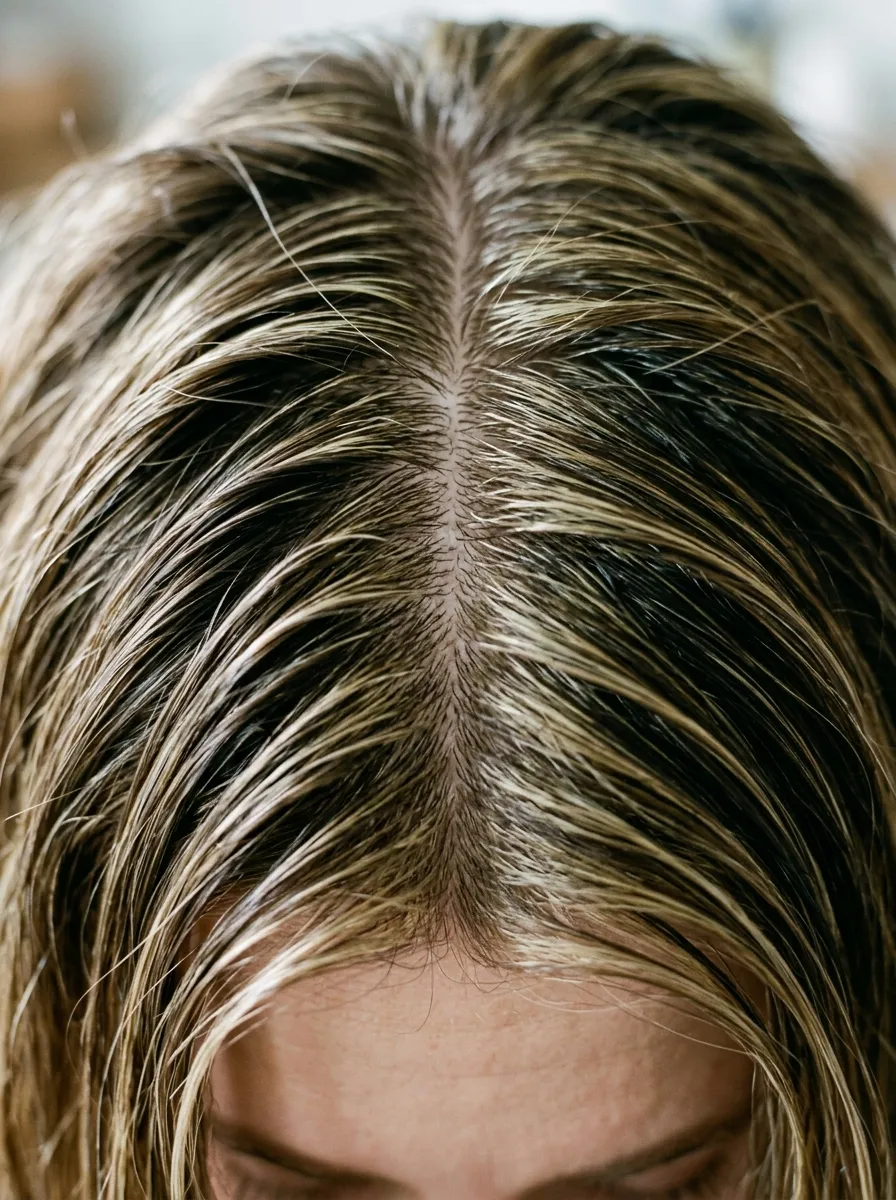
First, a little context. Your scalp is covered in tiny glands called sebaceous glands that produce a natural oil called sebum. This oil is not the enemy, it actually protects and moisturizes your hair and scalp. The issue starts when those glands produce more oil than your hair actually needs.
- Oil production is largely genetic, so some people naturally have oilier scalps than others
- Hormonal changes, like puberty or your monthly cycle, can temporarily increase oil production
- Stress can also trigger extra oil production through hormonal shifts
Understanding that some oiliness is completely normal helps take the pressure off chasing a totally oil free scalp, which is not realistic for most people.
Overwashing Can Backfire
It sounds counterintuitive, but washing your hair too often can actually make oiliness worse over time.
- Frequent washing strips your scalp of oil, which can trigger it to overcompensate by producing even more
- Try slowly stretching the time between washes to help your scalp adjust
- Use a gentle, sulfate free shampoo that cleans without being overly harsh
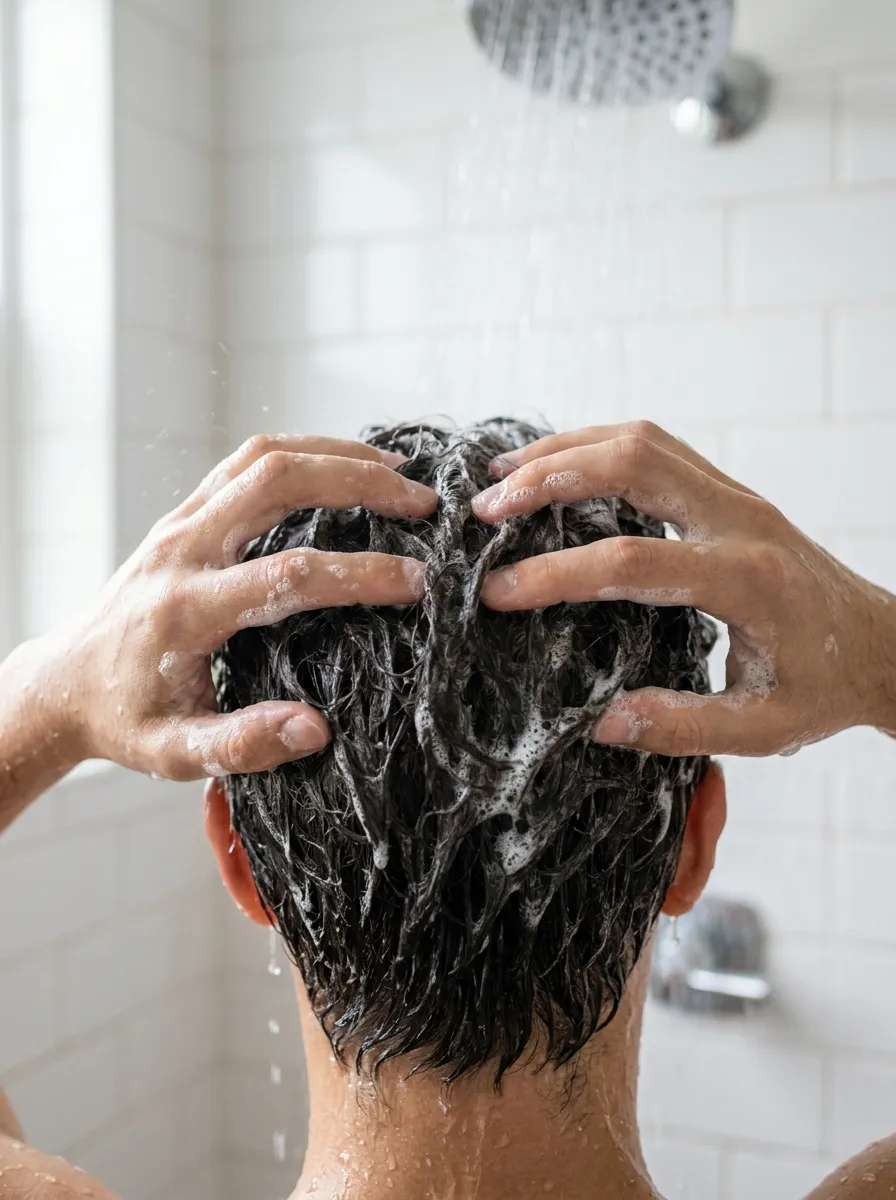
This adjustment period can take a few weeks, so be patient if you are trying to train your scalp to produce less oil naturally.
Touching Your Hair Too Much
Your hands carry natural oils and bacteria, and every time you touch your hair, some of that transfers directly to your scalp and strands.
- Try to avoid running your fingers through your hair throughout the day
- Keep hair ties on your wrist instead of constantly adjusting your hairstyle
- Be mindful of resting your chin or face against your hair, which also adds oil
This is a small habit change, but people are often surprised how much less oily their hair feels once they simply stop touching it as often.
Using the Wrong Products
Heavy conditioners, oils, or styling products applied directly to the scalp can contribute significantly to that greasy feeling, even if your hair is technically clean.
- Apply conditioner mainly to the mid lengths and ends, not the scalp
- Choose lightweight, oil free styling products if you have an oily scalp
- Avoid dry shampoo overuse, since buildup can actually clog and irritate the scalp over time
Read your product labels and look specifically for terms like oil free, lightweight, or volumizing if oiliness is a consistent issue for you.
Pillowcases and Hats Can Transfer Oil Back
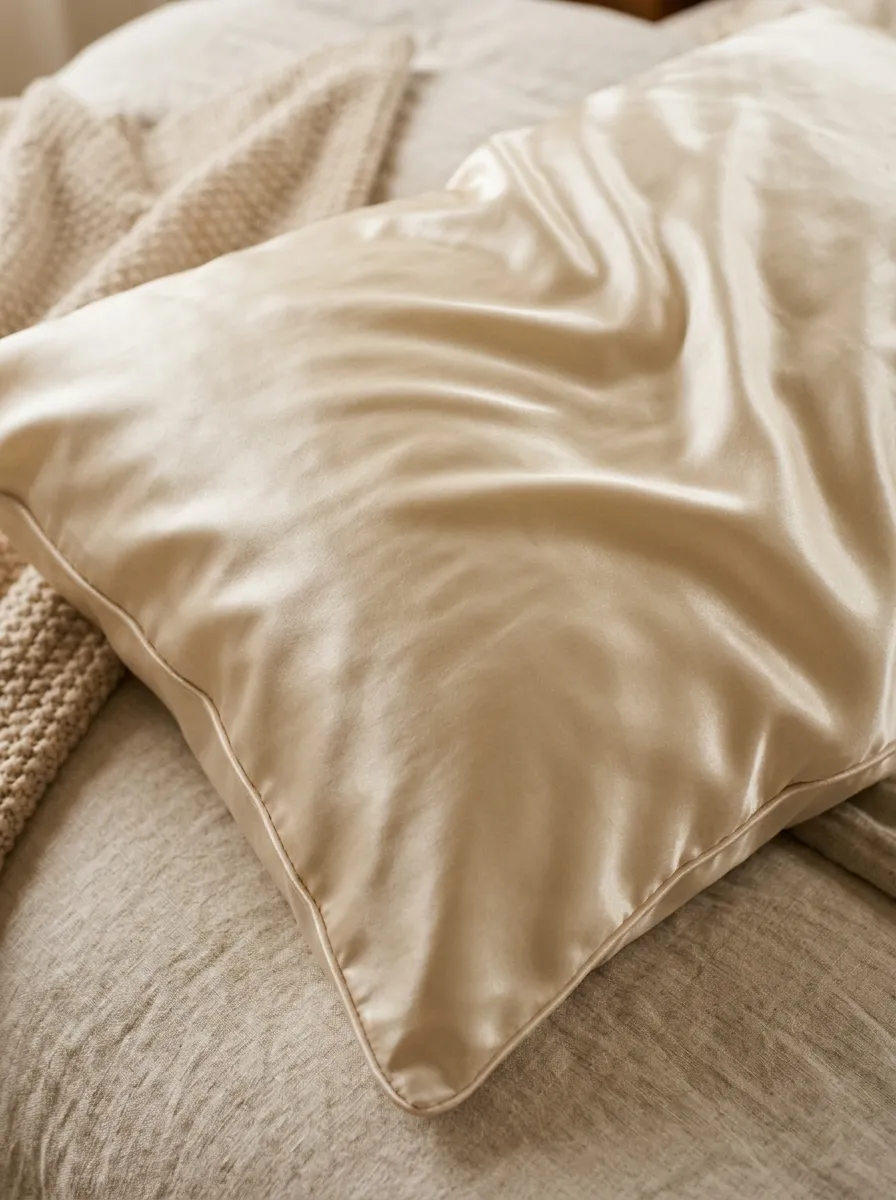
Anything that touches your hair regularly can either help or worsen oiliness, and pillowcases and hats are easy to overlook.
- Change your pillowcase at least once or twice a week
- Silk or satin pillowcases cause less friction and absorb less oil than cotton
- Avoid wearing the same hat repeatedly without washing it, since oil builds up inside
These small environmental factors add up over time, especially if you are already prone to an oily scalp.
Diet and Hydration Play a Role Too
While genetics and hormones are the biggest factors, your daily habits can still influence oil production to some degree.
- Staying hydrated supports overall scalp health
- A diet high in processed or greasy foods may contribute to excess oil for some people
- Managing stress through regular routines can help balance hormone related oil production
These factors are not a guaranteed fix on their own, but combined with the right hair care routine, they can make a noticeable difference.
Final Thoughts
Oily hair is usually a mix of genetics, habits, and product choices working against each other, which means small consistent changes really do add up. Focus on not overwashing, keeping your hands away from your hair, and choosing lightweight products suited to your scalp type. Save this guide for later so you always know where to start the next time your hair feels greasy too soon.