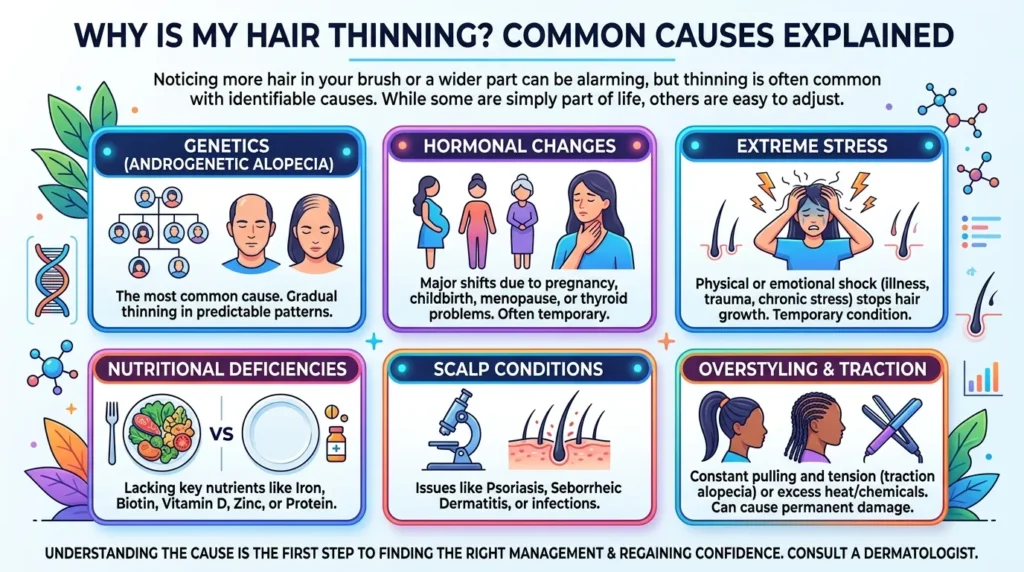

Noticing more hair in your brush or a wider part than usual can be genuinely alarming, but hair thinning is more common than most people realize, and it usually has an identifiable cause behind it. While some causes are simply part of life, others are easy to adjust once you know what to look for. Here are the most common reasons hair thins out and what tends to help. If your scalp also seems to get greasy quickly, our Why Does Hair Become Oily guide explains the most common causes of excess oil and the simple habits that can help keep your hair feeling fresher for longer.
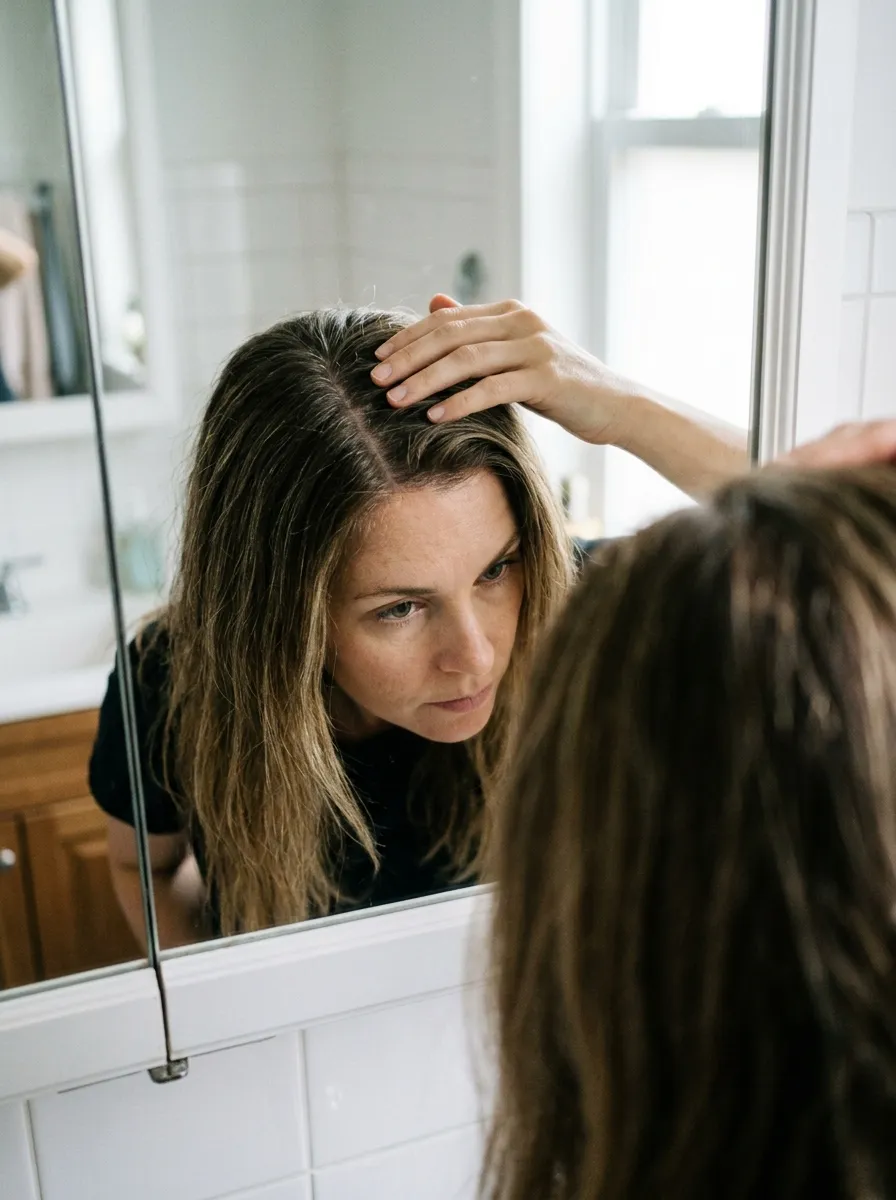
Genetics Play a Major Role
For a lot of people, thinning hair is simply written into their genes. This type of thinning, often called pattern hair loss, tends to run in families and follows a predictable pattern over time.
- It often shows up gradually rather than suddenly
- Family history on either side can be a strong indicator
- It typically starts at the crown or hairline and progresses slowly
If thinning runs in your family, it does not mean nothing can be done, but it does mean early, consistent care tends to work better than waiting.
Stress Can Trigger Temporary Shedding
A stressful period, whether emotional, physical, or related to illness, can push a large number of hair follicles into a resting phase all at once, leading to noticeable shedding a few months later.
- This type of shedding often appears two to three months after the stressful event
- It usually resolves on its own once the stress passes and the body recovers
- Reducing ongoing stress through rest, movement, and routine can help regulate this cycle

This kind of thinning is often temporary, but it can feel scary while it is happening, so patience is genuinely part of the recovery.
Hormonal Changes Affect Hair Growth
Hormones have a direct impact on your hair growth cycle, which is why thinning often coincides with major hormonal shifts in life.
- Pregnancy and postpartum periods commonly cause noticeable shifts in hair thickness
- Hormonal changes over time can also affect hair density gradually
- Certain hormonal conditions can contribute to thinning as well
If you suspect a hormonal cause, tracking when the thinning started alongside any other life changes can help you and a professional get a clearer picture.
Nutritional Gaps Can Show Up in Your Hair
Hair is often one of the first places the body shows signs of nutritional deficiency, since hair growth is not considered essential compared to other bodily functions.
- Low iron levels are a common contributor to thinning
- Inadequate protein intake can weaken hair structure over time
- Certain vitamin deficiencies have also been linked to hair thinning
Eating a well rounded diet with enough protein, iron rich foods, and leafy greens supports healthy hair growth from the inside, though results take months, not days.
Harsh Styling Habits Cause Damage Over Time
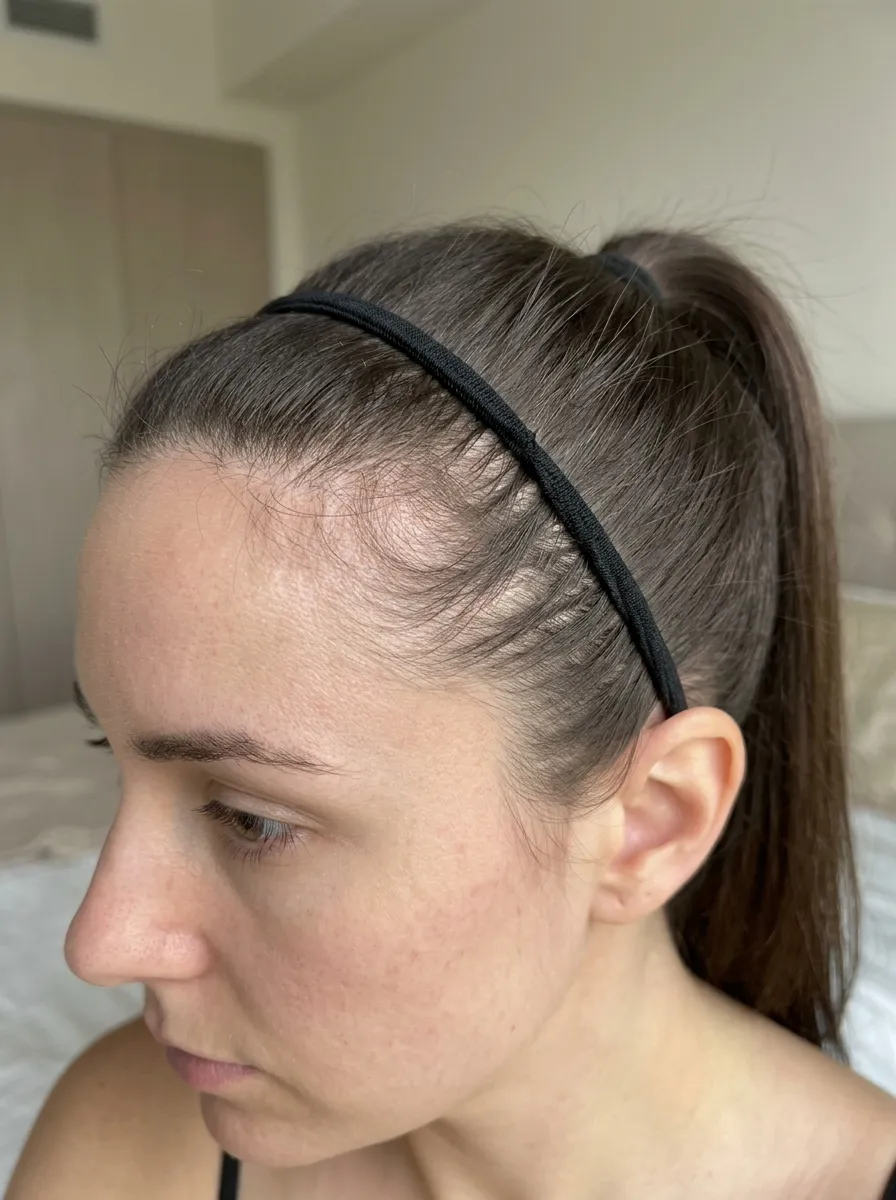
Sometimes thinning is not about the follicle itself but repeated physical stress on the hair from styling habits.
- Tight ponytails, buns, or braids worn daily can cause tension related thinning at the hairline
- Frequent heat styling weakens strands, making them more prone to breakage that looks like thinning
- Chemical treatments done too often can also weaken hair over time
Switching to looser styles and giving your hair breaks from tension and heat can allow the hairline and scalp to recover.
Certain Medications and Health Conditions
Some medications list hair thinning as a known side effect, and certain underlying health conditions can also affect hair density.
- If thinning started after beginning a new medication, it is worth noting the timing
- Thyroid related issues are commonly associated with changes in hair thickness
- Ongoing or unexplained thinning is worth discussing with a doctor to rule out underlying causes
This is one area where a healthcare provider can offer real clarity, since bloodwork can reveal causes that are hard to identify on your own.
Final Thoughts
Hair thinning can feel overwhelming, but understanding the possible cause is the first real step toward addressing it. Whether it is genetics, stress, nutrition, or styling habits, most causes respond well to consistent, gentle care over time. Save this guide for later so you always have a starting point the next time you notice changes in your hair.
This article is for general information only. If thinning is sudden, severe, or ongoing, please talk to a doctor or dermatologist for a proper evaluation.