
Blow drying gets a bad reputation, but the real problem is almost never the tool itself, it is how it gets used. With a few smarter habits, you can dry your hair quickly and still keep it soft, shiny, and free from that brittle, damaged feeling. Here is exactly how to blow dry your hair the right way, without sacrificing your hair health in the process. For even more volume without relying on high heat, check out our How to Use Hair Rollers guide to create soft, bouncy styles that last all day.

Always Start With a Heat Protectant
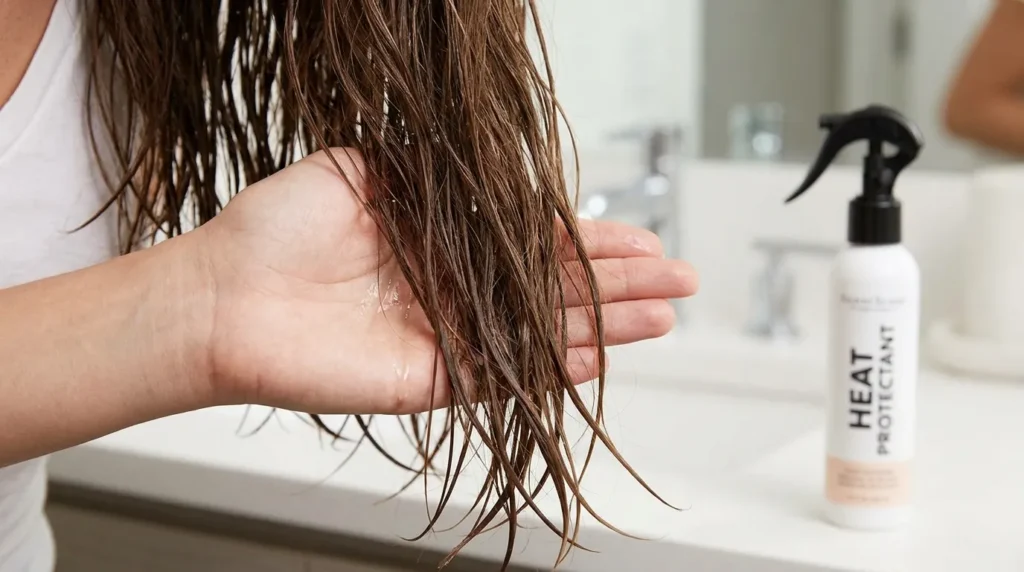
This is the single most important step, and skipping it is where most heat damage actually begins. A good heat protectant creates a barrier between your hair and the direct heat of the dryer.
- Apply protectant spray evenly through damp hair, root to tip
- Focus extra product on the ends, since they are older and more fragile
- Comb through gently afterward to distribute it evenly
- Never skip this step even if you are in a rush
Think of it the same way you think of sunscreen, it takes ten seconds and prevents damage that takes months to repair.
Do Not Start From Soaking Wet Hair
Blow drying hair that is dripping wet forces you to use higher heat for longer, which is a major cause of damage over time.
- Towel dry gently first, squeezing rather than rubbing
- Let hair air dry partially, until it is just damp, before using the dryer
- A microfiber towel or soft cotton t shirt causes less friction than a regular towel
This one change alone can cut your blow drying time significantly, which means less overall heat exposure for your strands.
Use the Right Heat Setting
More heat does not mean faster or better results, it just means more damage. Most hair types do not need the highest setting on your dryer.
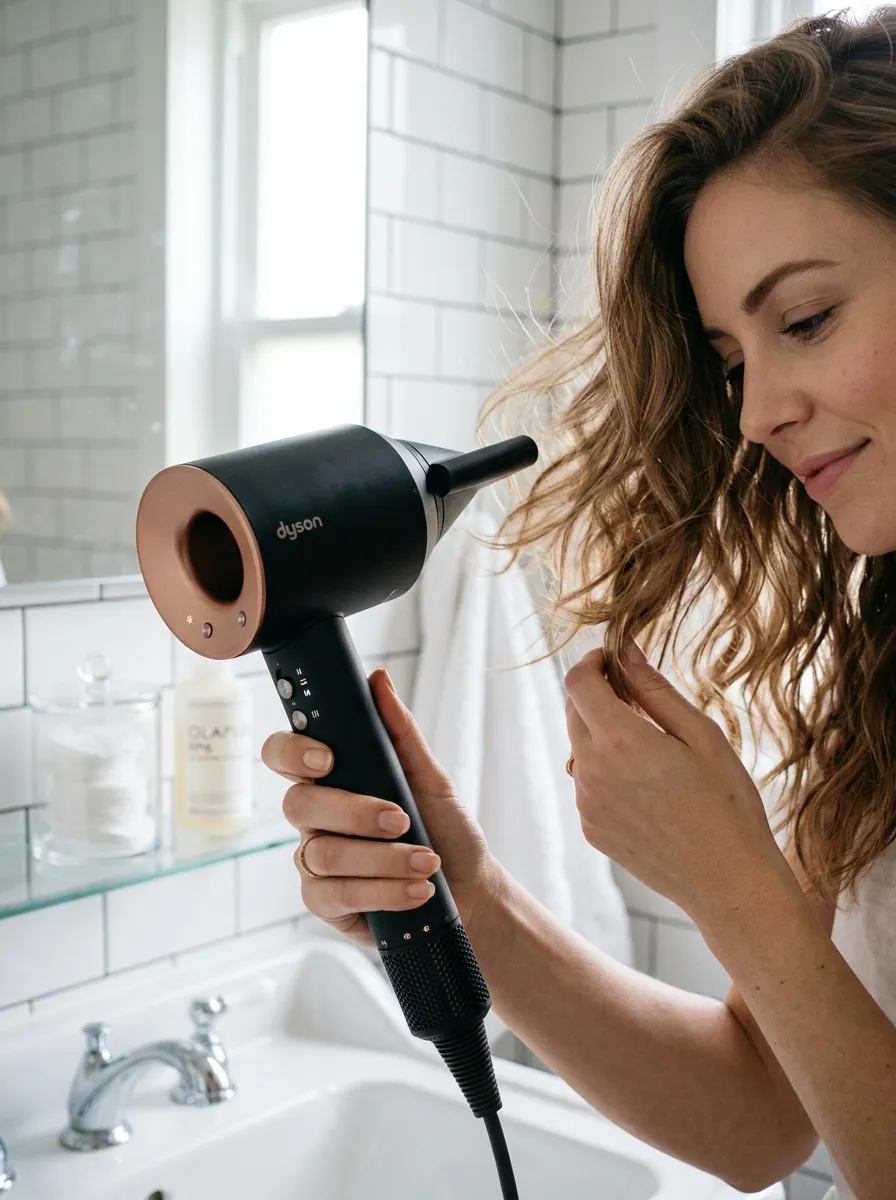
- Use medium heat for the majority of drying
- Switch to low heat or the cool shot button for the final pass
- Fine or damaged hair should stay on low to medium the entire time
- Save high heat only for very thick, coarse hair that genuinely needs it
The cool shot button at the end is especially useful since it helps seal the hair cuticle, locking in shine and reducing frizz.
Keep the Dryer Moving and at a Distance
Holding a dryer in one spot for too long concentrates heat in a way that damages hair quickly, even at a moderate temperature.
- Keep the dryer at least six inches away from your hair
- Move it constantly rather than holding it still
- Point the nozzle downward along the hair shaft, not straight at your scalp
- Section hair and dry in parts rather than all at once
This constant movement spreads the heat exposure evenly and prevents any one section from getting overheated.
Limit How Often You Blow Dry
Even with perfect technique, giving your hair regular breaks from heat styling helps it stay healthier long term.
- Air dry completely on days when you are not in a rush
- Try a braid or bun overnight to reduce next-day frizz without heat
- Reserve full blow drying for days when you actually need the polished look
- Use dry shampoo between washes to stretch out styling days
Your hair does not need to be perfectly styled every single day, and giving it rest days makes a real difference over time.
Finish With the Right Products

Once your hair is dry, a little extra care locks in the results and adds protection until your next wash.
- A small amount of lightweight serum smooths the cuticle and adds shine
- Avoid heavy oils on the roots, which can weigh hair down
- A weekly deep conditioning treatment helps repair any minor damage before it builds up
Final Thoughts
Blow drying does not have to mean choosing between convenience and healthy hair. With a heat protectant, the right temperature, and a little patience with technique, you can dry your hair quickly while keeping it strong and shiny. Save this guide for later so every blow dry session works for your hair instead of against it.