
Fine hair gets a bad reputation for being flat, limp, and hard to style, but the truth is it just needs a different approach than thicker textures. The right cut, the right products, and a few clever styling tricks can turn wispy strands into a full, bouncy look that lasts all day. The key is working with lightness rather than fighting it, layering in texture and lift instead of piling on heavy products that weigh everything down. Whether you’re dealing with fine straight hair or fine wavy hair, these styles are built to create real volume without looking overdone or crunchy. Here are twenty six ways to make the most of what you’ve got.
1. Root Lifted Blowout

A root lifted blowout is the foundation trick most volume focused styles are built on. Apply a lightweight volumizing mousse to damp roots only, then blow dry upside down for the first few minutes to encourage lift before flipping back over to finish. Use a round brush at the roots specifically, pulling hair up and away from the scalp rather than straight down, which is what actually creates lasting height. Finish with a blast of cool air to set the lift in place before moving on to the rest of the hair. Avoid heavy serums near the roots since they’ll flatten everything you just worked to build. A light dusting of root powder at the part line adds extra grip and texture for hair that struggles to hold volume through the day. This blowout technique works on nearly any length and gives you a smooth, polished base you can then curl, wave, or leave straight depending on the occasion.
2. Textured Lob

While Bun Hairstyle Ideas for Long Hair often showcase elegant updos, choosing the right haircut is just as important for creating fuller-looking styles. The textured lob, a longer bob that lands somewhere between the chin and shoulders, is one of the most flattering cuts for fine hair because shorter lengths naturally appear fuller. Ask your stylist for soft, textured ends rather than a blunt, heavy line, since blunt cuts on fine hair can look thin and stringy without enough weight to support them. Point cutting or razor work through the ends adds movement and creates the illusion of thickness. Style with a texturizing spray worked through damp hair before blow-drying for added grip that a smooth finish simply can’t provide. This length also falls where the hair doesn’t have enough weight to pull itself flat, which is why lobs consistently outperform longer styles on fine hair. Pair it with loose waves or a slight bend at the ends for even more visual fullness, and avoid heavy styling products that can weigh the hair down.
3. Curtain Bangs

Curtain bangs part naturally down the middle and sweep back on either side of the face, adding instant dimension without the commitment of a full fringe. Because they’re cut with soft, feathered edges rather than a blunt line, they blend seamlessly into the rest of fine hair instead of looking like a separate, heavy chunk. Style them with a round brush and low heat, curling the ends slightly under and away from the face for a face framing effect that also adds fullness right where most fine hair textures thin out first. A dab of light hold pomade smooths any flyaways without weighing the bangs down. Curtain bangs work on nearly every face shape and every hair length, making them one of the more universally flattering additions you can make. They also require surprisingly little daily maintenance once cut correctly, usually just a quick brush through and a spritz of dry shampoo at the roots to keep things from looking flat by midday.
4. Braided Crown With Volume
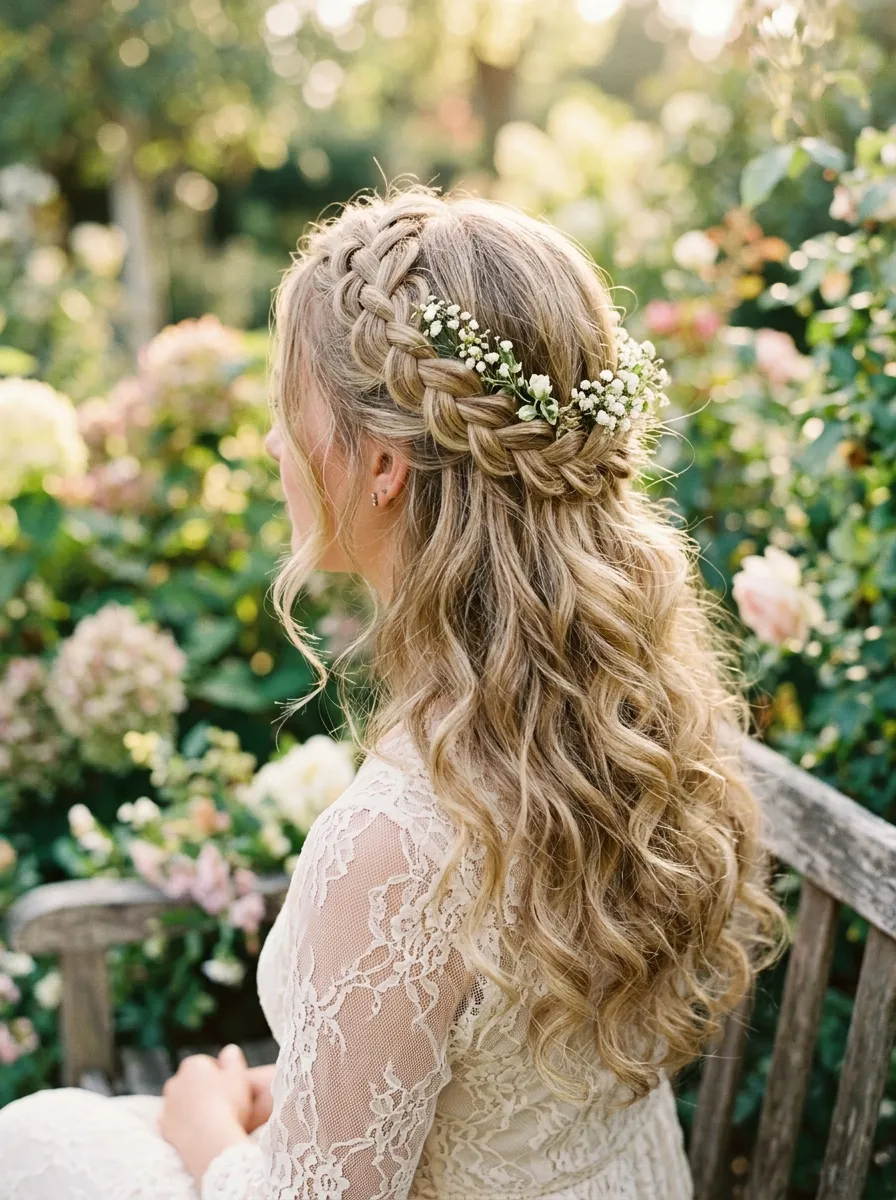
A braided crown adds structure and visual interest right at the root, which is exactly where fine hair tends to fall flattest. Section a strip of hair from temple to temple, braid it loosely, and pin it across the crown, leaving the rest of the hair down and styled with loose waves for contrast. Before braiding, backcomb the section slightly at the root with a fine tooth comb to build in extra lift that the braid will then lock into place. A flexible hold hairspray keeps the braid from loosening throughout the day without leaving it stiff. This style is a great option for second or third day hair that’s lost some volume, since the braid itself distracts from any flatness while adding textural interest up top. It also works beautifully for outdoor events or windy days, keeping hair controlled without sacrificing the soft, full look fine hair benefits from most.
5. Beachy Waves With Sea Salt Spray

Beachy waves add texture and grip that fine, slippery strands often lack on their own. Spray a sea salt texturizing spray through damp hair, focusing on the mid lengths and ends rather than the roots, then either air dry with your fingers scrunching gently or use a wide barrel wand for more defined waves. The salt spray roughens the hair’s surface just enough to hold a wave and add the appearance of thickness, something smooth fine hair struggles with in humid or damp conditions. Avoid brushing waves out once they’re dry, since brushing separates the pieces and flattens the texture you just created. Instead, tousle gently with fingers only. This style works especially well paired with a shorter length like a lob, since shorter waves hold their shape longer than long, heavy ones that tend to drop out by midafternoon on fine strands.
6. Half Up Topknot
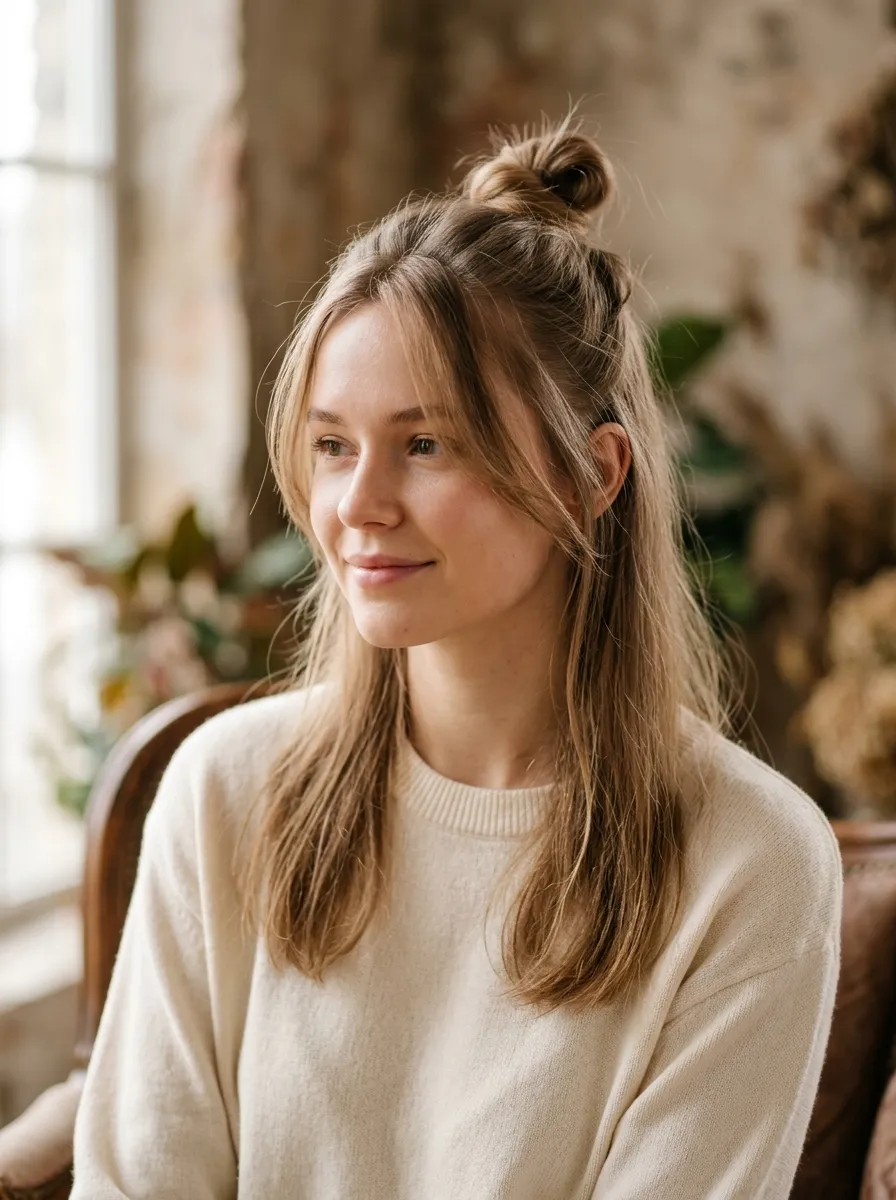
A half up topknot lifts hair away from the face and creates height right at the crown, one of the most effective tricks for fine hair overall. Gather the top section of hair, backcomb it lightly at the base for grip, then twist into a small bun and secure with bobby pins placed in a crisscross pattern for extra hold. Leave the rest of the hair down, curled loosely so it doesn’t look flat in contrast to the styled top section. A texture spray on the loose hair beforehand helps everything blend together rather than looking like two separate styles stacked on top of each other. This look works well for both casual days and dressier occasions depending on how polished you make the top section. It’s also a genuinely quick style, taking under five minutes once you’ve practiced the twist a few times, and it holds up remarkably well through a full day of movement.
7. Layered Shag Cut

The shag cut has made a serious comeback, and it happens to be one of the best cuts available for fine hair specifically. Heavy layering throughout removes weight from the ends while building in movement and texture that reads as thickness even though the actual hair density hasn’t changed. Ask your stylist for layers that start around the cheekbone rather than lower down, which creates more visible texture without leaving thin, wispy pieces at the very ends. Style with a texturizing paste worked through dry hair, scrunching upward from the ends toward the roots to encourage the piecey, undone look the cut is known for. This style pairs beautifully with curtain bangs for a complete face framing effect. Shags also require minimal daily styling once cut well, often looking better on unwashed, slightly textured hair than on freshly washed strands, which works out nicely for fine hair that tends to get oily and flat by day two anyway.
8. Low Ponytail With Bump

A low ponytail can look thin and stringy on fine hair unless you build in volume at the crown first. Before gathering hair into the ponytail, backcomb a small section at the top with a fine tooth comb, then smooth the top layer over it gently without eliminating the lift underneath. Secure the ponytail low at the nape with a thin elastic, then wrap a small piece of hair around the base to hide it for a polished finish. Pull gently at the sides of the ponytail to loosen it slightly and add width, since a too tight pony emphasizes thinness rather than hiding it. This style looks elevated enough for professional settings while still taking only a couple of minutes to achieve. The bump at the crown makes all the difference here, turning what could be a flat, sad ponytail into something that actually reads as full and intentional.
9. Voluminous Blowout With Velcro Rollers
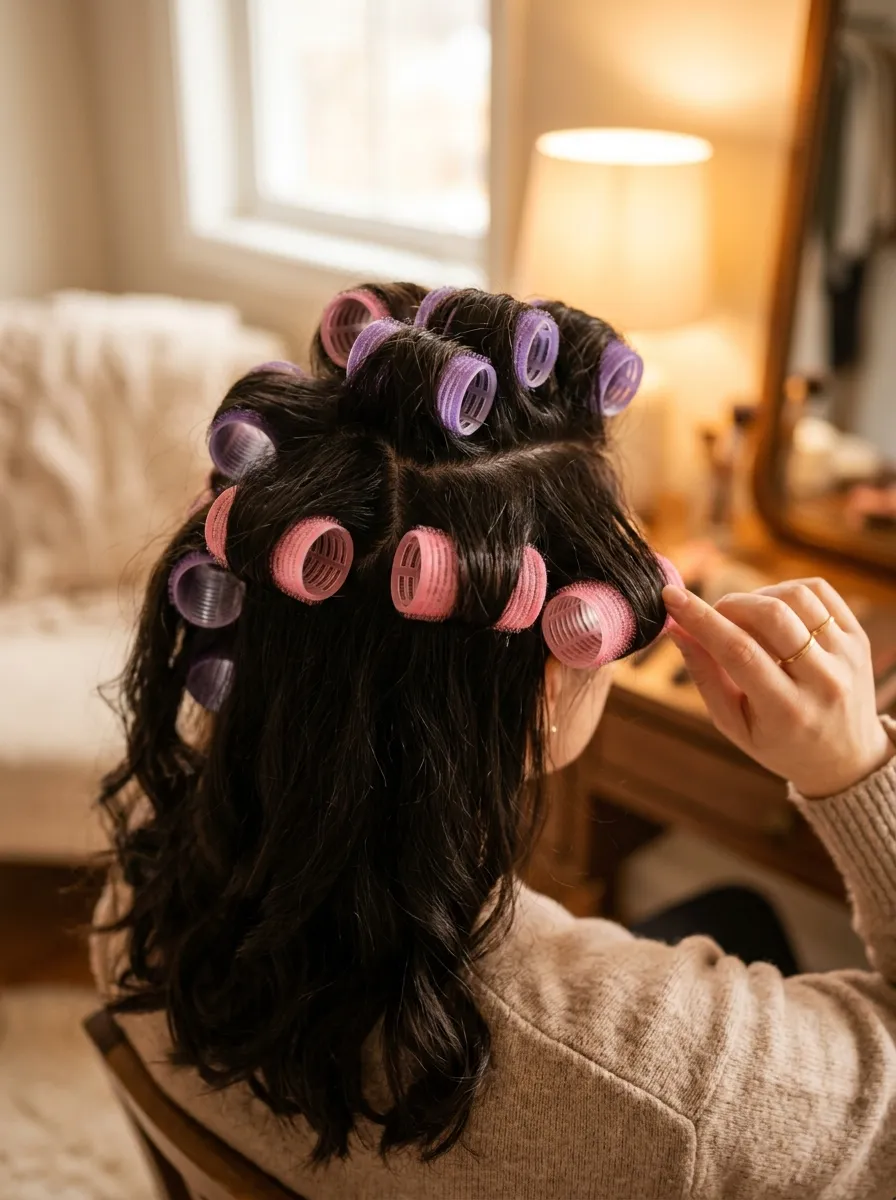
Velcro rollers set at the roots after a regular blowout add a level of lasting volume that brushing alone rarely achieves on fine hair. Once hair is fully dry and styled, place large velcro rollers vertically at the crown and temple areas, rolling from root to about halfway down the shaft. Leave them in for ten to fifteen minutes while you finish getting ready, then remove and lightly finger comb, avoiding a brush which would soften the lift you just built in. A light finishing spray locks the volume in place without adding weight or shine that could weigh the roots back down. This method works especially well before events or photos where you need volume to last for hours rather than just the first twenty minutes after styling. Velcro rollers are reusable and gentle on hair, making them a better long term option than heat styling every single root section by hand.
10. Wolf Cut

The wolf cut combines a shag’s heavy layering with a mullet’s shorter crown length, and the result is serious built in volume for fine hair. Layers are cut shortest at the top and gradually lengthen toward the ends, which lifts the crown naturally and prevents the flat, pancake look fine hair often falls into with one length cuts. Style with a volumizing spray applied to damp roots, then blow dry with a round brush focused at the crown to maximize the lift the cut is already built for. The choppy, textured ends require minimal effort, often looking best with just a bit of texturizing paste scrunched through by hand rather than a brush. This cut works particularly well on those wanting an edgier, more modern look, and it photographs beautifully thanks to the dimension created by the varied layer lengths. It’s a more dramatic change than a standard shag, so bring reference photos to your stylist appointment.
11. Dutch Braid Pigtails

Dutch braids add texture and grip to fine, slippery hair that regular braids sometimes struggle to hold onto. Part hair evenly down the middle, then dutch braid each side by crossing strands under rather than over, which creates a raised, more voluminous braid pattern compared to a standard french braid. Pull gently on the edges of each braid section once finished to loosen and widen it slightly, adding the appearance of thickness throughout. Secure ends with small clear elastics that won’t tug or snag fine strands during removal. This style works well for workouts, travel days, or any time you want hair fully secured without looking severe. The slight looseness from pulling the braids apart keeps this from reading as a childish style and instead gives it a more textured, intentional finish appropriate for adults. Dutch braid pigtails also protect hair from friction and tangling, which fine hair is particularly prone to.
12. Side Swept Waves
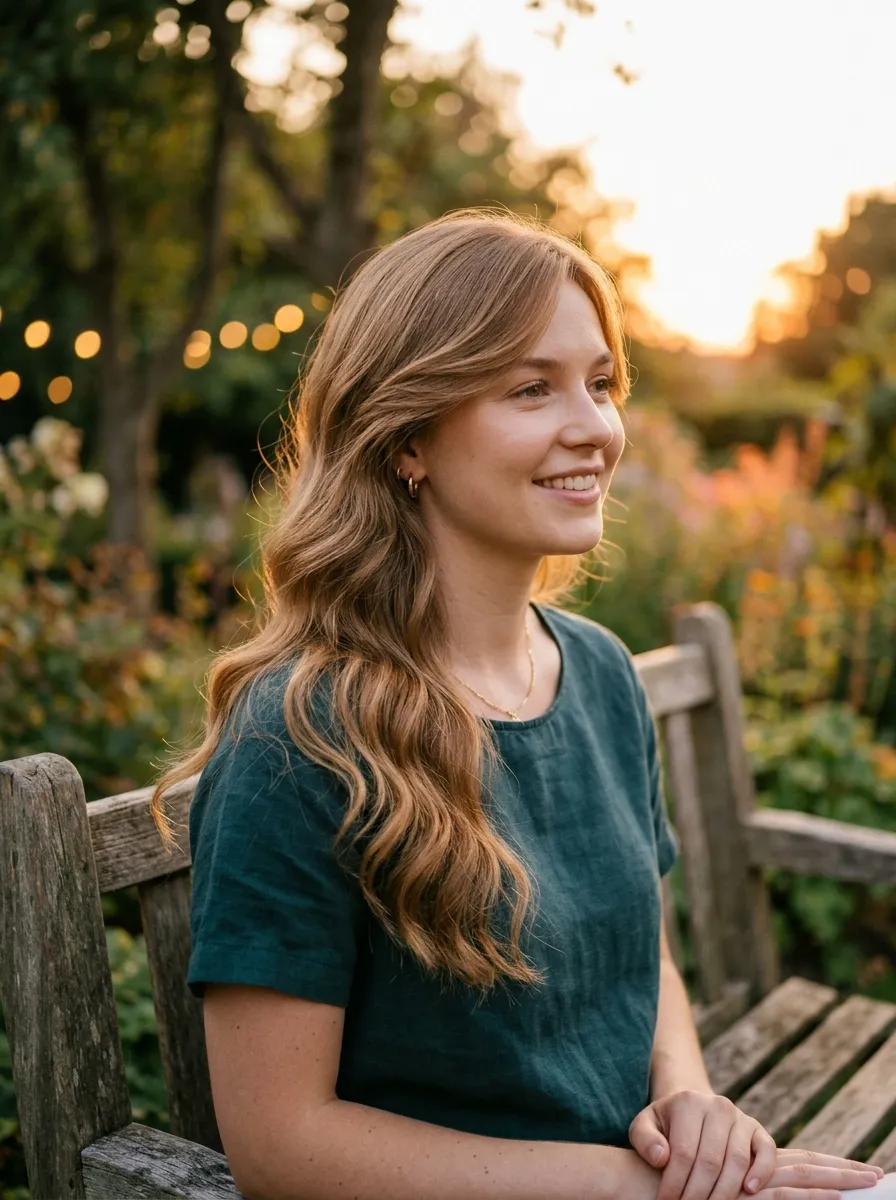
Side swept waves create asymmetry that naturally reads as fuller than perfectly centered, symmetrical styling. After curling hair with a one inch wand in alternating directions, brush through gently with a paddle brush to soften the curls into waves, then sweep the majority of the hair over one shoulder, pinning a few pieces at the crown on the opposite side to keep the shape in place. A volumizing dry shampoo at the roots before curling gives the style extra texture to grip onto, since fine hair without any texture added often lets curls drop out within an hour or two. This look works beautifully for evening events, offering a soft, romantic finish without requiring an updo. The deliberate asymmetry also draws the eye across the width of the style rather than straight down, which is a simple visual trick that makes hair appear thicker than it actually is.
13. Micro Fringe

A micro fringe, cut short above the eyebrows, is a bold choice but one that genuinely benefits fine hair by adding a dense, textured focal point right at the front of the face. Because the fringe is cut so short, it doesn’t have the length or weight to fall flat the way a longer bang might on fine strands. Ask your stylist to point cut the ends rather than a blunt line for a slightly softer, more textured finish. Style with a small round brush and low heat, curling the ends under gently for shape, or leave it straight for a more graphic, editorial look. Maintain with regular trims every three to four weeks since fringe this short grows out noticeably fast and can start hitting the eyes if left too long. This style pairs well with almost any length behind it, from a pixie to long layers, and it consistently reads as bold and intentional rather than accidental.
14. Voluminous High Ponytail
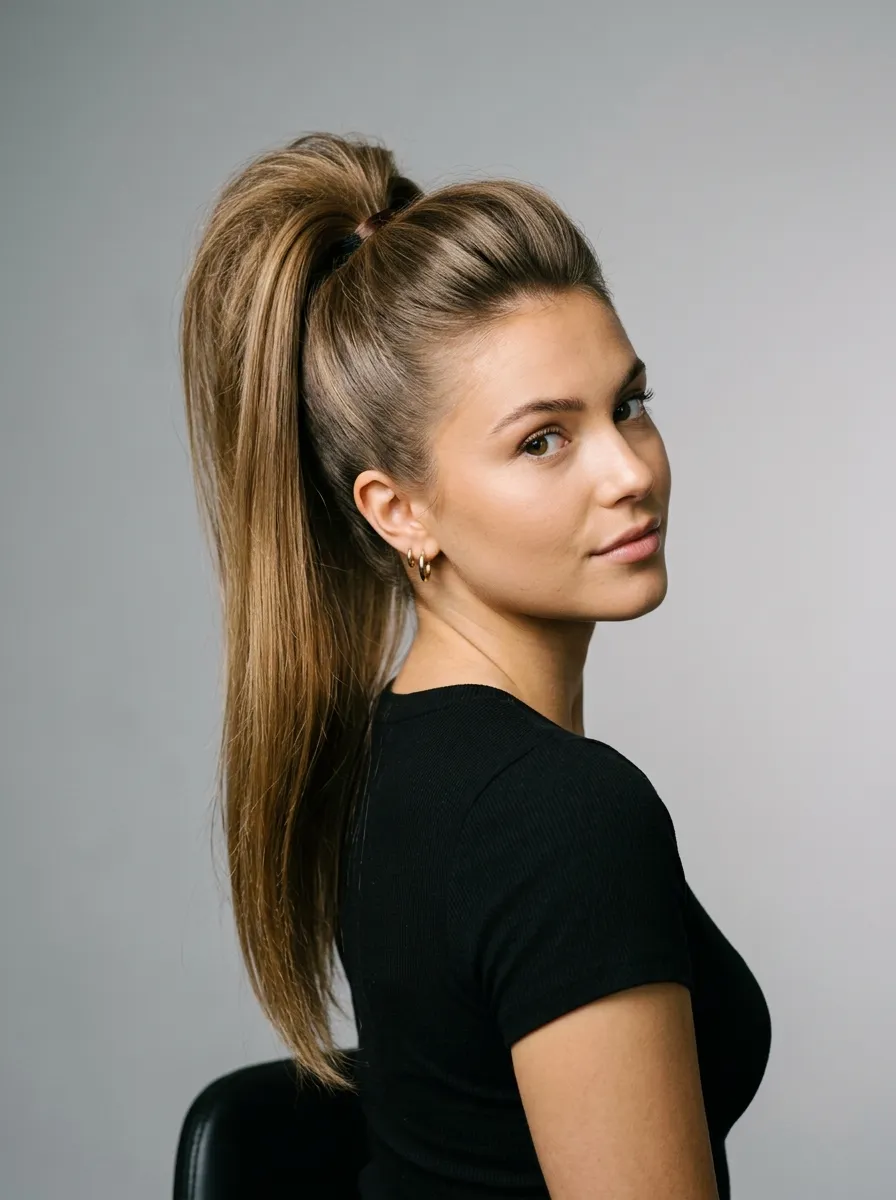
A high ponytail benefits enormously from a bit of prep work before gathering, especially on fine hair prone to looking flat at that elevated angle. Backcomb the crown section generously with a fine tooth comb, then smooth just the top layer over the teased section using a boar bristle brush, which polishes the surface without eliminating the volume underneath. Gather hair at the crown into a strong hold elastic, wrapping a small section around the base to conceal it. Pull gently at the sides of the ponytail itself to widen the base and disguise the elastic further. Finish with a lightweight shine spray, avoiding anything heavy that could pull the teased volume flat again. This style works for both everyday wear and dressier occasions, and the height it creates at the crown is one of the most reliable volume tricks specifically because it’s working with gravity rather than against it, unlike low styles that let fine hair collapse.
15. Face Framing Layers
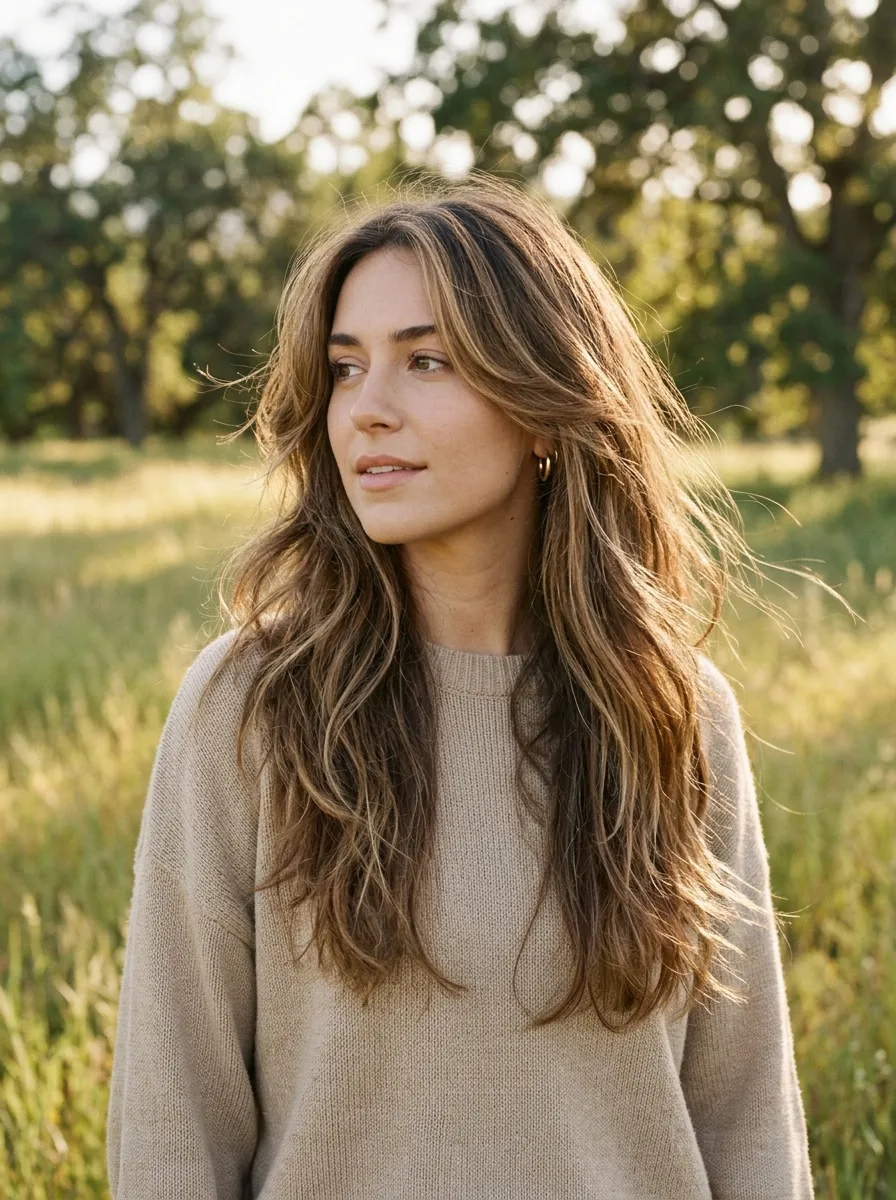
Face framing layers cut around the cheekbones and jawline add movement and dimension to long fine hair that might otherwise hang flat and shapeless. These shorter pieces have less weight pulling them down, so they naturally bounce and frame the face with more life than the longer length behind them. Style with a medium barrel curling iron, curling just the face framing pieces while leaving the rest of the hair straighter or in looser waves for contrast. This creates visual layering and depth even in hair that’s technically all one length aside from those framing pieces. A light texturizing spray on the ends of the layers keeps them from looking too polished or stiff. This cut works on nearly any length starting from shoulder length and up, and it’s a relatively low commitment way to add shape to fine hair without sacrificing overall length, which many people with fine hair are reluctant to give up entirely.
16. Teased Bouffant

The bouffant is a dramatic, retro leaning style that solves fine hair’s volume problem by building height directly into the crown through teasing. Section off the top layer of hair and clip it out of the way, then backcomb the layer underneath thoroughly with a fine tooth comb, working in small sections for maximum lift. Smooth the top layer back over the teased section using a boar bristle brush and pin securely at the crown. A strong hairspray locks the shape in place and helps it last through a full evening. This style works beautifully for weddings, proms, or any formal event where dramatic volume is the goal rather than something subtle. While it takes more time than the other styles on this list, the payoff is real height and fullness that no amount of product alone could replicate on fine strands. Practice the teasing technique ahead of a big event so you’re comfortable with the process.
17. Wet Look Slick Back
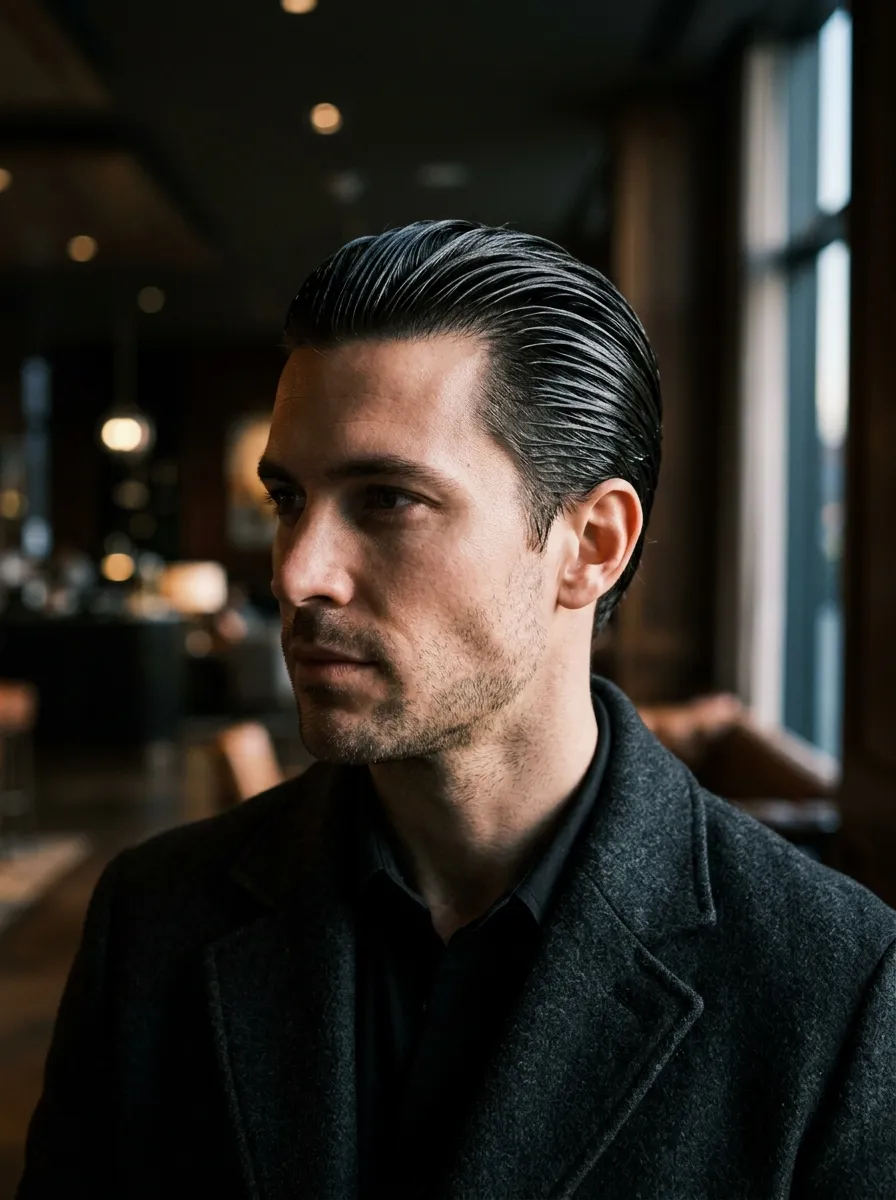
Sometimes the best approach to fine hair is embracing sleekness entirely rather than fighting for volume. A wet look slick back uses a strong hold gel combed through damp hair straight back from the hairline, smoothed with a fine tooth comb for a glossy, controlled finish. This style actually works in fine hair’s favor since the lack of natural volume makes for an especially smooth, unbumpy result compared to thicker textures that tend to show more texture even when slicked back. Gather the ends into a low bun or ponytail, or leave them loose for a wet look ponytail effect. This is a striking, editorial style that photographs beautifully and works well for nights out or fashion forward occasions. Keep the gel light near the ends to avoid a stiff, crunchy finish, focusing the heaviest product application at the roots and part line where the sleek effect matters most.
18. Soft Pixie Cut

A pixie cut removes length entirely, which for fine hair often means an instant boost in apparent thickness since there’s simply less hair for gravity to pull flat. Ask for a pixie with textured, piecey layers at the crown rather than a smooth, close cropped shape, which adds the illusion of density through movement rather than length. Style with a small amount of matte styling paste worked through damp hair with fingers, pushing pieces upward and forward for lift rather than combing them flat. This cut requires regular trims, typically every four to six weeks, to maintain its shape as it grows out. While it’s a bigger commitment than some styles on this list, pixies consistently rank among the most flattering and low maintenance options for fine hair specifically, since there’s simply no length left to weigh the style down by the end of the day the way longer cuts inevitably do.
19. Twisted Half Up With Bump
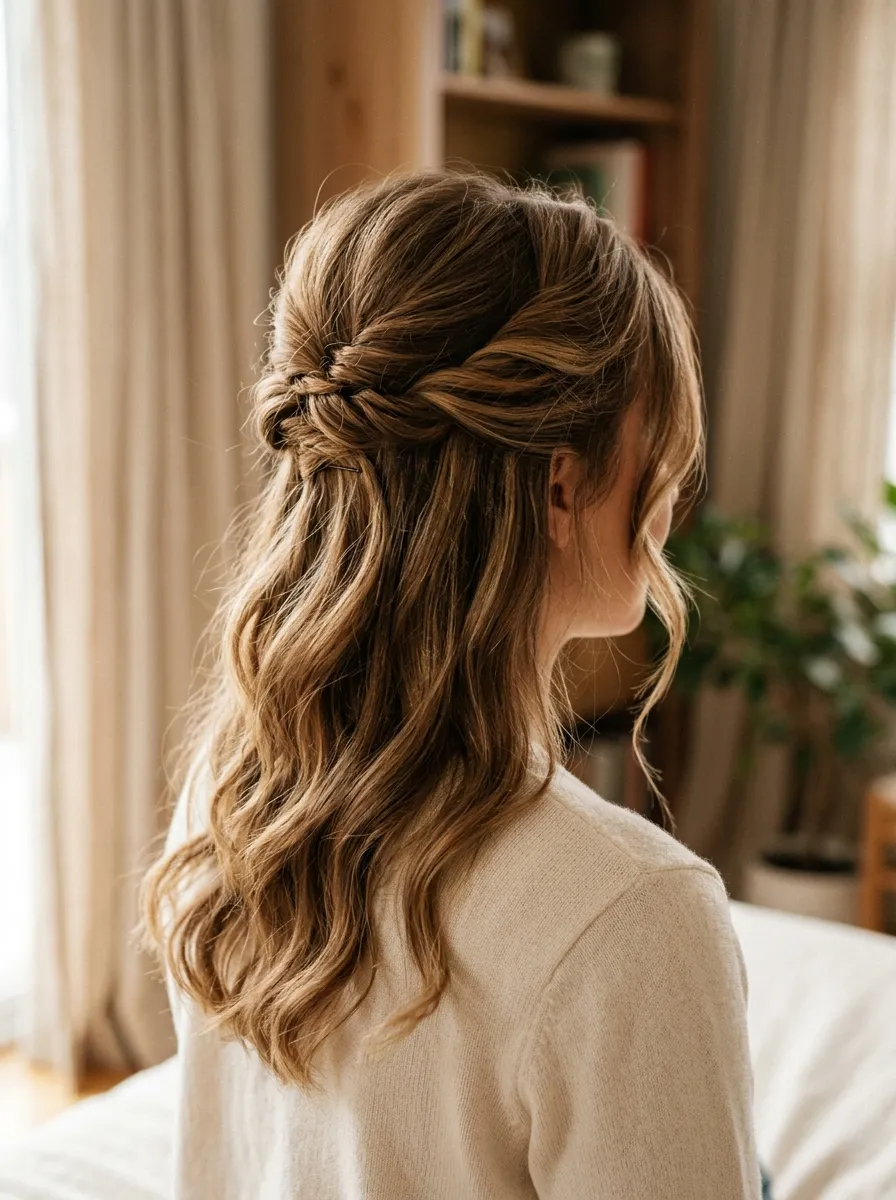
This style combines two volume boosting techniques, root teasing and twisting, into one cohesive half up look. Backcomb the crown lightly before gathering the top sections, then twist each side back toward the center and pin together at the back of the head, leaving the rest of the hair down and curled loosely. The twists themselves add a bit of textural grip that a plain half up ponytail wouldn’t offer, helping the style hold its shape and volume longer throughout the day. A flexible hold spray keeps everything in place without stiffness. This look works for both casual and dressy occasions, and the combination of structure up top with movement below creates a more dynamic, full appearance than either technique would achieve alone. It’s also relatively quick to execute once you’re familiar with the twisting technique, usually taking under ten minutes start to finish.
20. Blunt Cut With Volume Styling

While blunt cuts are often avoided for fine hair, a well executed blunt cut paired with the right styling technique can actually create a strong, graphic sense of thickness at the ends. The key is keeping the cut relatively short, around shoulder length or above, where the blunt line has less length to look thin under. Style with a round brush blowout, curling the ends slightly inward to create a thick, curved line rather than leaving them poker straight, which would emphasize any thinness. A glossing serum applied sparingly to the very ends only adds shine without weighing down the volume built in through the round brush technique. This style has a polished, almost editorial quality when done well, and it works particularly nicely on hair with a slight natural wave that adds texture to the otherwise clean line. Regular trims keep the blunt edge looking crisp rather than splitting into wispy pieces over time.
21. Voluminous Space Buns

Space buns take on a fuller, more youthful look when a bit of teasing is added before styling. Part hair down the middle, backcomb each section lightly at the base, then gather into two puffs and wrap each one around itself into a bun, securing with pins. The teasing underneath keeps the buns from looking flat or deflated once wrapped, which is a common issue on fine hair without this extra step. A texturizing spray applied to each section before gathering adds grip that helps the buns hold their shape through movement. This playful style works well for casual days, festivals, or workouts, keeping hair fully secured while still looking full and intentional rather than thin and scraped back. For a softer version, pull a few face framing pieces loose around the hairline before finishing, which adds movement and avoids the overly severe look tight styling can sometimes create on finer strands.
22. Soft Waves With a Diffuser

For those with a natural wave pattern, a diffuser attachment on a blow dryer can enhance texture without the frizz or flatness that regular air drying sometimes causes on fine hair. Apply a curl enhancing mousse to damp hair, then cup sections into the diffuser bowl, lifting up toward the scalp as you dry rather than pulling down, which encourages both wave definition and root lift simultaneously. Keep the heat on a low or medium setting to avoid frizzing out the delicate strands. This method works best on hair with at least a slight natural bend, since fully straight fine hair won’t have much for the diffuser to enhance. The result is soft, romantic waves with noticeably more volume than air drying alone would produce, and the technique takes roughly the same amount of time as a standard blow dry, just with a different attachment and hand motion involved throughout the process.
23. Structured Bob With Undercut
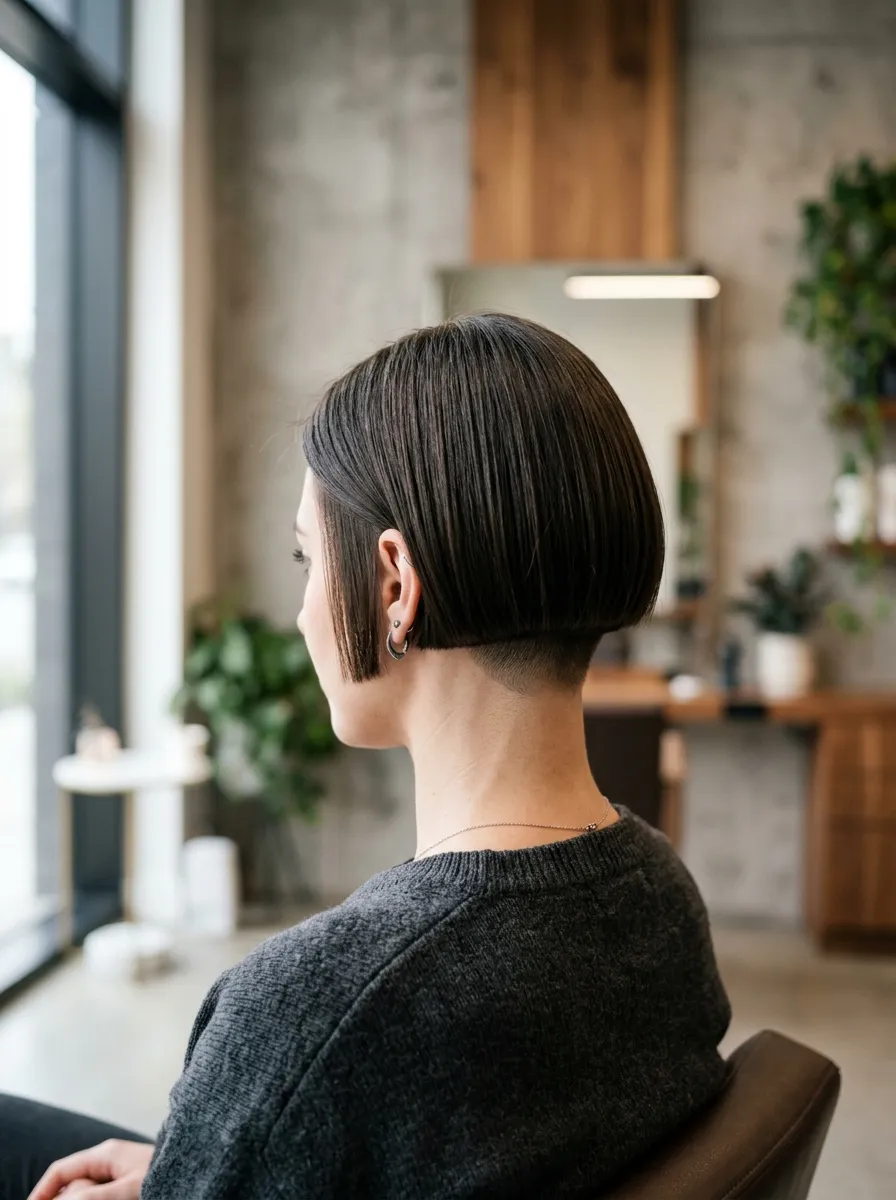
Adding a subtle undercut beneath a structured bob removes bulk and weight from the underlayer, which paradoxically makes the top layer of fine hair look thicker and more voluminous by comparison. The shorter under layer is typically hidden beneath the longer top sections, only visible when hair is pulled up or moved by wind. Style the top layer with a round brush blowout for a smooth, rounded shape, letting the reduced weight underneath allow for more natural lift at the crown than a fully one length bob would achieve. This cut suits those wanting a bold, modern look while still keeping length on top for versatility in styling. Maintenance requires trips back to the stylist every six to eight weeks to keep the undercut portion tidy, though it grows out fairly gracefully compared to more dramatic shaved designs, blending naturally back into the surrounding length over time.
24. Loose Fishtail Braid

A fishtail braid, woven from small alternating sections rather than the standard three strands, creates a textured pattern that reads as fuller than a traditional braid on fine hair. Braid loosely rather than tightly, and once finished, gently pull at the edges of each woven section to widen and loosen the overall shape. A little texturizing spray applied before braiding gives the strands enough grip to hold the fishtail pattern, since perfectly smooth fine hair can slip and lose definition quickly otherwise. This style works beautifully as a side braid draped over one shoulder for an effortless, romantic look, or pulled higher and tighter for a more polished, everyday version. Fishtail braids also tend to hold their shape longer than three strand braids on slippery fine hair, thanks to the smaller, more numerous sections gripping onto each other more securely throughout the day.
25. Voluminous Bangs With Side Part

A deep side part paired with soft, voluminous bangs creates asymmetry and lift right where fine hair often falls flattest, directly at the front hairline. Blow dry bangs with a round brush, lifting at the root and curving the ends slightly away from the face for a rounded, full shape rather than a flat, pasted down look. The deep side part itself adds instant volume simply by shifting the part line away from center, which creates a small triangle of lift that a middle part doesn’t offer. A light volumizing spray at the root of the bangs before blow drying helps the lift last longer into the day. This combination works on nearly any hair length and suits most face shapes, offering a subtle but genuinely effective way to combat the flatness fine hair tends toward at the crown and hairline specifically, without requiring any dramatic cut or color change.
26. Low Maintenance Wash and Wear Waves

For genuinely low effort days, a wash and wear wave routine relies entirely on product rather than heat tools to create texture and lift. After washing, apply a volumizing mousse through damp hair from roots to ends, then loosely braid hair into two or three sections and let it air dry completely, ideally overnight. Once dry, unravel the braids gently with fingers rather than a brush, which preserves the wave pattern instead of smoothing it into frizz. This technique gives fine hair a soft, undone texture with genuine volume built in from the braiding process itself, all without a single pass of a hot tool. It’s an especially useful routine for those wanting to reduce heat damage over time while still achieving a textured, full look. Refresh with a bit of dry shampoo at the roots the following day to extend the style and add even more grip and lift.
Conclusion
Fine hair isn’t a limitation, it just responds best to techniques that build lift from the root and add texture rather than relying on length or heavy product alone. Whether you lean into a shorter cut that naturally reads as fuller or master a few root teasing tricks for your everyday styles, there’s a real range of options here that don’t require fighting your natural texture at all. Try a handful of these looks, pay attention to what holds volume longest for your specific hair, and build a routine around the techniques that work hardest for you.