

You have probably picked out shampoo and conditioner based on your hair type before, but there is another factor quietly affecting how your products actually perform, and most people have never heard of it. It is called hair porosity, and once you understand yours, a lot of your hair struggles suddenly start making sense. If you’re also considering a new hairstyle, our What Is a Blunt Haircut guide explains who this sleek, polished cut suits best and how it compares with layered styles.
What Hair Porosity Actually Means
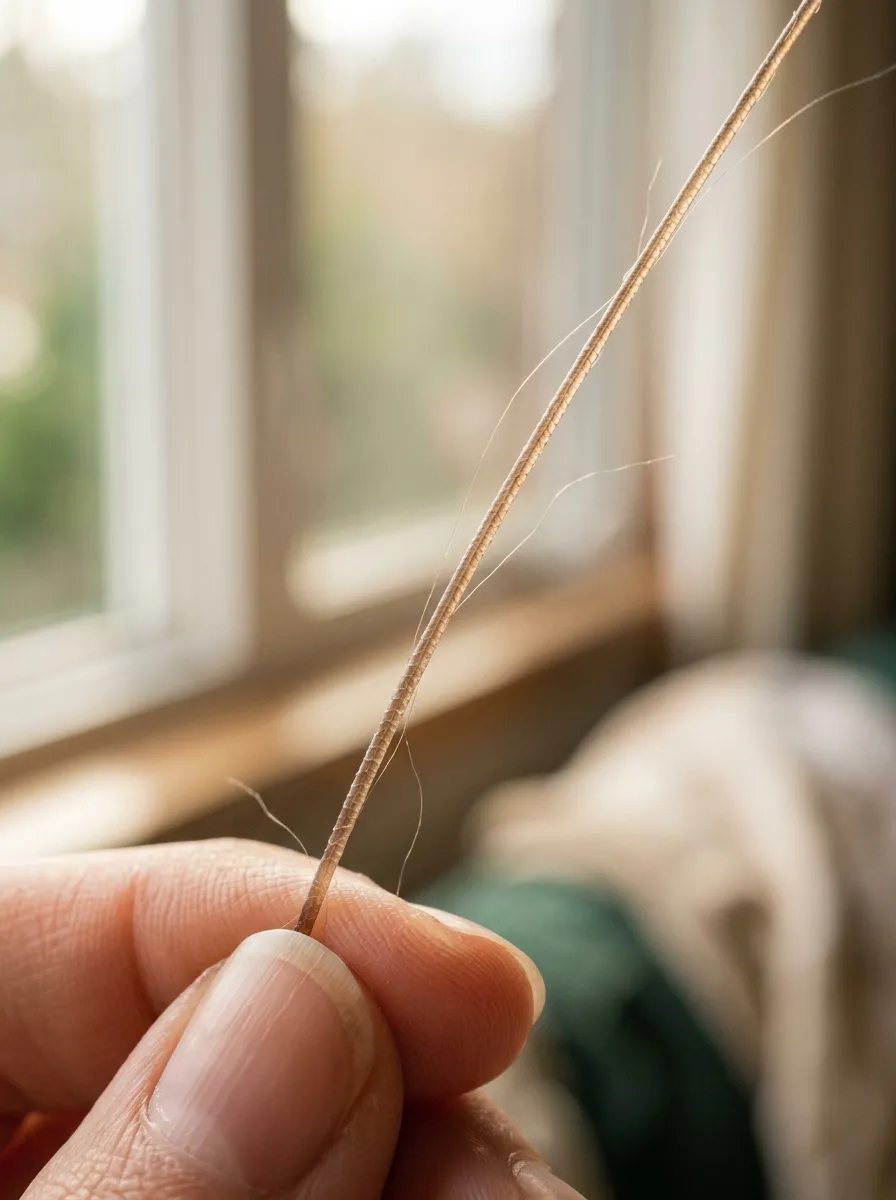
Hair porosity refers to how easily your hair absorbs and holds onto moisture. This comes down to the outer layer of the hair strand, called the cuticle. The cuticle is made up of tiny overlapping scales, and how tightly or loosely those scales lie determines how moisture moves in and out of your hair.
There are three main porosity levels, low, medium, and high, and each one behaves very differently with the same products. None of these levels are better or worse than another, they simply need a different approach to get the best results.
Low Porosity Hair
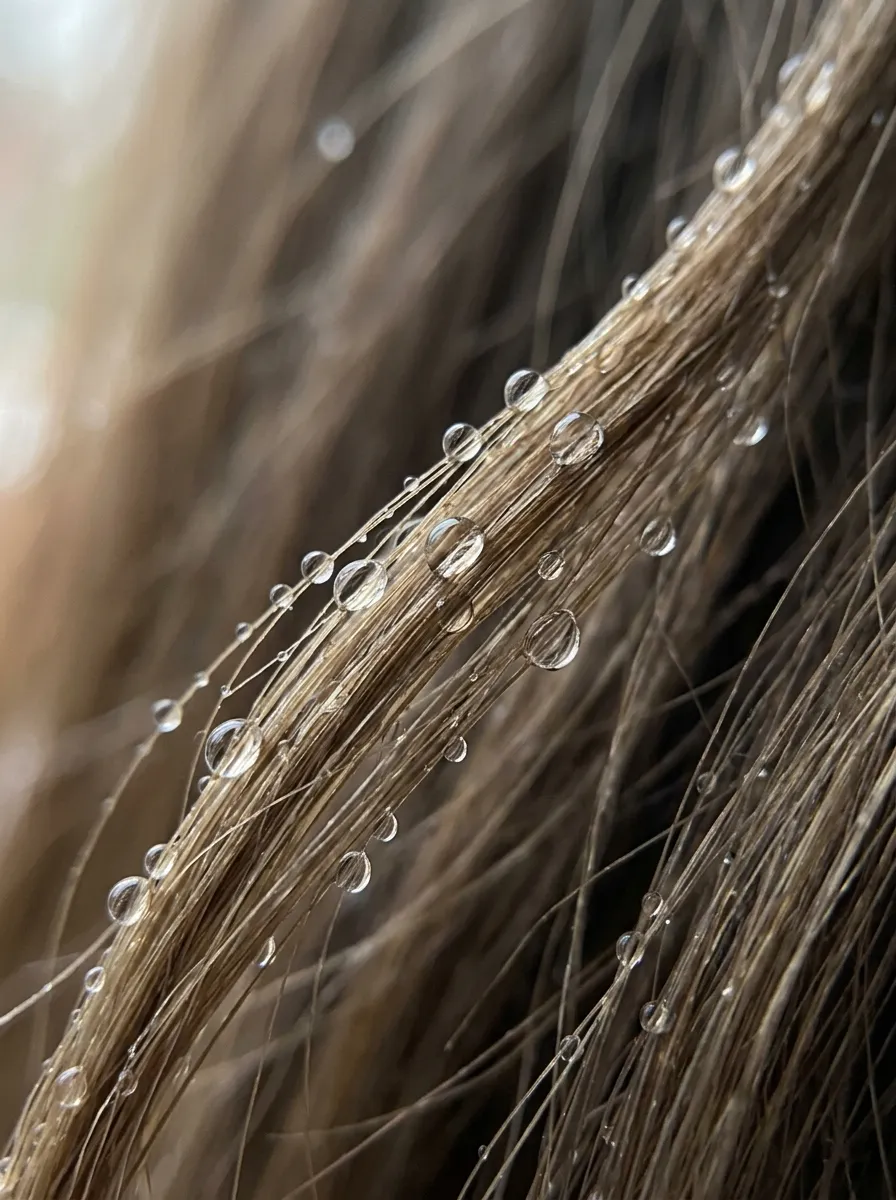
Low porosity hair has a tightly closed cuticle, which makes it harder for moisture to get in.
- Products often sit on top of the hair instead of absorbing
- Hair takes a long time to get fully wet and also to dry
- Heavy oils and butters tend to just build up rather than soak in
- Lightweight, water based products work best applied to damp, not dry, hair
Medium Porosity Hair
Medium porosity is often considered the easiest type to manage since the cuticle is moderately open.
- Moisture absorbs at a reasonable, balanced rate
- Hair generally holds styles well and responds predictably to most products
- Occasional protein treatments still help maintain that balance over time
High Porosity Hair
High porosity hair has a cuticle with gaps or raised sections, often from damage, chemical treatments, or coloring.
- Moisture absorbs quickly but also escapes just as fast
- Hair often feels dry, frizzy, or tangled even shortly after moisturizing
- Heavier creams and oils are usually needed to seal in moisture after washing
- Protein treatments can help patch and smooth the cuticle over time
How to Find Out Your Own Porosity
You do not need any special tools to get a rough idea of where your hair falls.
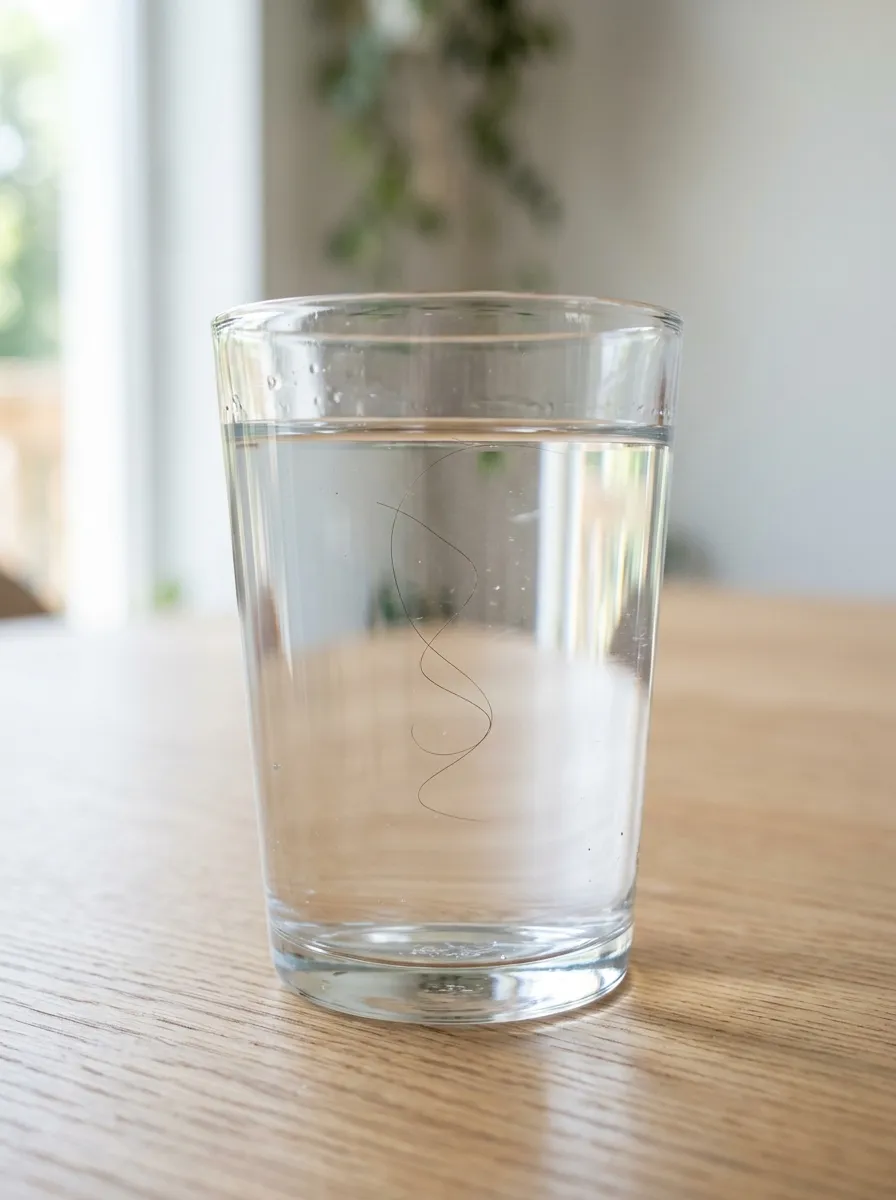
- Drop a clean strand of hair into a glass of room temperature water
- Low porosity hair usually floats near the top for a while
- High porosity hair tends to sink fairly quickly
- Medium porosity hair typically floats somewhere in the middle before slowly sinking
Why This Actually Matters for Your Routine
Understanding porosity explains a lot of common hair frustrations that otherwise seem random.
- If products always feel like they sit on your hair without soaking in, you likely have low porosity
- If your hair dries out again just hours after moisturizing, high porosity is probably the reason
- Matching your routine to your actual porosity, rather than just your curl pattern or hair type, often solves problems that regular product swaps never fixed
Adjusting Your Routine Based on Porosity
Once you know your porosity, small changes can make a noticeable difference.
- Low porosity hair benefits from applying products to damp hair and using gentle heat, like a warm towel, to help the cuticle open slightly
- High porosity hair benefits from richer leave in conditioners and sealing oils applied right after washing
- Medium porosity hair mostly just needs consistency, since it already responds well to a balanced routine
Final Thoughts
Hair porosity is one of those hidden factors that quietly shapes how well your entire routine actually works. Once you know where your hair falls, choosing the right products stops being a guessing game.
Save this guide so you can finally figure out why some products just never seem to work for you.