

Mornings are rushed enough without spending twenty minutes on your hair, and the ponytail has quietly become the smartest option for anyone who wants to look put together without the effort. It works with fine hair, thick hair, curly hair, and everything in between, and it adapts to a boardroom meeting just as easily as a coffee run before your shift starts. The trick is knowing which version fits your day, your hair type, and how much time you actually have. Some of these styles take under two minutes, others add a little extra polish for client meetings or presentations. Either way, you’ll walk out the door looking like you planned it. Here are twenty five ponytail ideas that keep you looking sharp from your first meeting to your last.
1. The Classic Low Ponytail

This is the one style every working woman should have memorized. Gather your hair at the nape of your neck, smooth it with a boar bristle brush, and secure it with a thin elastic. Wrap a small section of hair around the base to hide the band for an instant upgrade. It reads as clean and confident without trying too hard, which is exactly what you want walking into a Monday meeting. For fine hair, a texturizing spray at the roots before you gather everything back adds a bit of grip so the style holds through the afternoon. This look works on damp or dry hair, making it perfect when you’re running behind. Pro tip: keep a travel size smoothing serum in your desk drawer for quick touch ups after a windy commute.
2. The Sleek High Ponytail
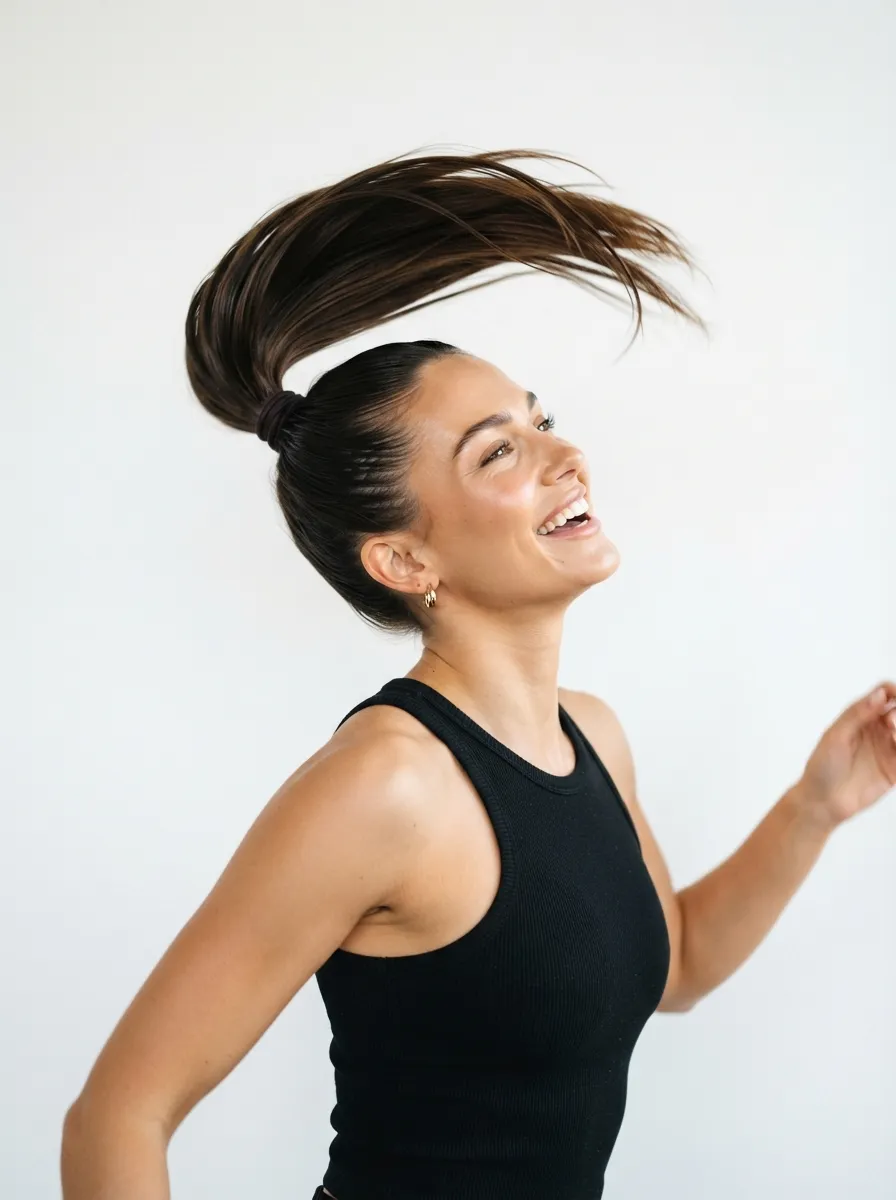
Many Ponytail Hairstyle Ideas for Thin Hair focus on creating the appearance of fuller, more lifted hair, and a high ponytail is one of the easiest ways to achieve that effect. When you need to look alert and ready for anything, this style delivers instantly. Flip your head upside down, gather your hair at the crown, and secure it tightly before flipping back up. Use a fine tooth comb to smooth any flyaways along the hairline, then set them with a bit of hairspray on an old toothbrush. This hairstyle visually lifts your face and works especially well for oval and heart-shaped faces. It pairs beautifully with hoop earrings or simple studs since the ear area is fully visible. If you have layers, this pull-tight technique also helps keep shorter pieces neatly in place. Pro tip: a dab of hair gel on your palms before smoothing keeps the crown sleek all day without feeling stiff.
3. The Bubble Ponytail

For a look that feels a step above basic without requiring styling skill, the bubble ponytail is worth learning. Start with a regular ponytail, then add small elastics every two to three inches down the length, gently pulling the hair between each band outward to create a rounded bubble shape. It photographs beautifully for headshots or LinkedIn updates and works well for after work events too. This style is especially flattering on medium to long hair since the bubbles need enough length to form properly. Keep the bands the same color as your hair so they blend rather than stand out. Pro tip: use clear elastics from the drugstore if you don’t want to match hair color exactly.
4. The Braided Ponytail Wrap
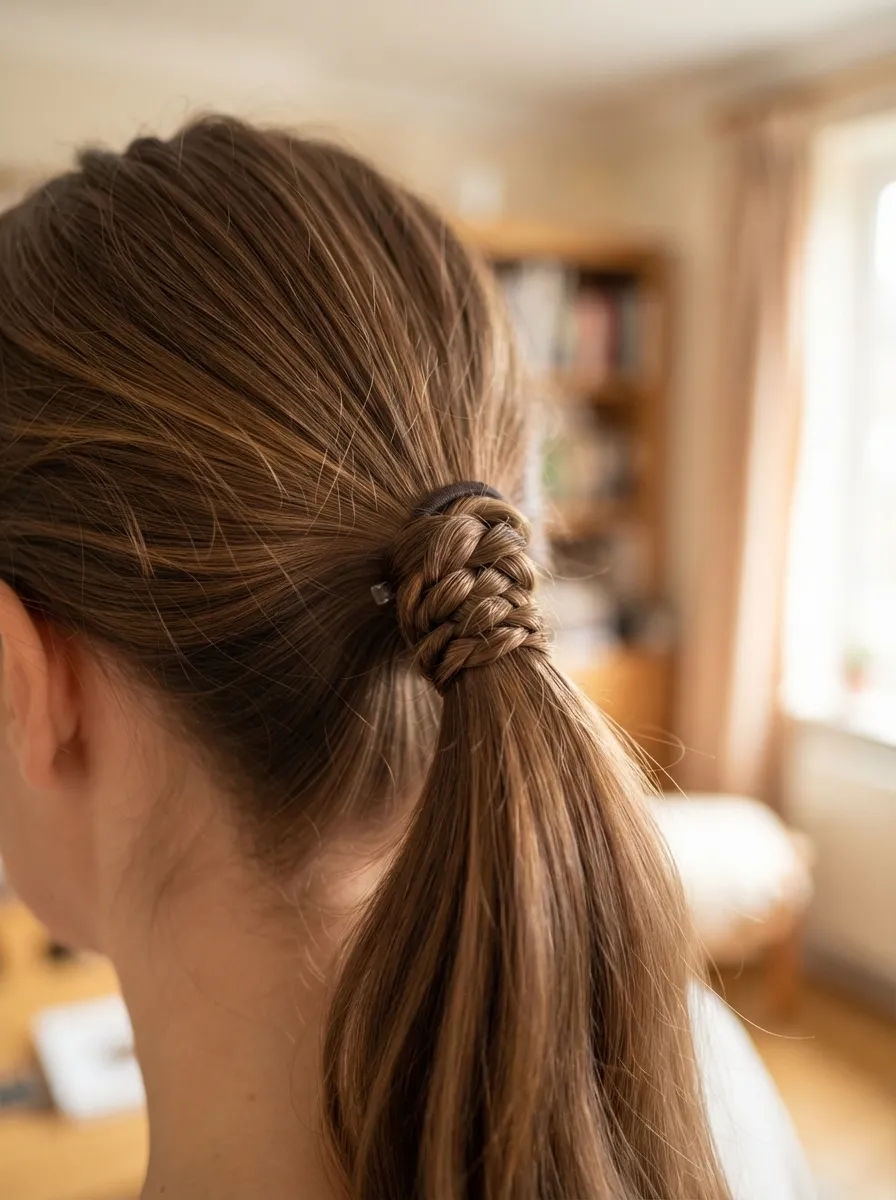
Instead of wrapping a plain section of hair around your elastic, braid a small piece before wrapping it around the base. This tiny detail adds texture and looks intentional even though it takes an extra thirty seconds. It works with any ponytail height and instantly makes the style feel more finished for client facing days. Braided wraps also tend to stay in place better than smooth wraps, especially if you’re moving between meetings all day. This is a great trick for second day hair since the braid texture distracts from any oiliness near the roots. Pro tip: spray the small braided section with texturizing spray first so it holds its shape better throughout the day.
5. The Half Up Ponytail
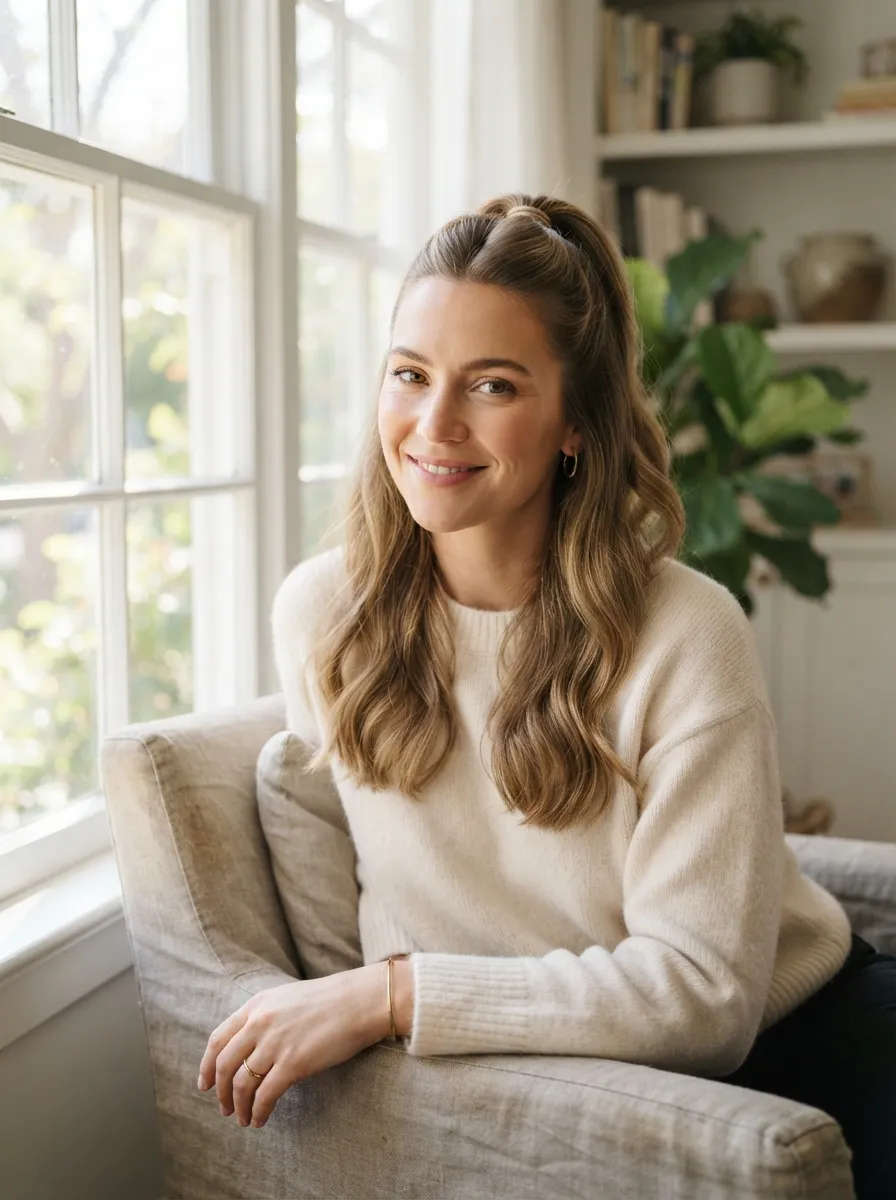
When you’re not ready to commit to pulling everything back, the half up ponytail offers a compromise that still keeps hair out of your face during long work calls. Section off the top half of your hair, roughly from ear to ear, and secure it while leaving the rest down. This works particularly well for shoulder length hair that isn’t quite long enough for a full ponytail without pieces falling out. It also softens your look for creative industries where a full pulled back style might feel too severe. Add a small twist on each side before securing for extra dimension. Pro tip: tease the crown section slightly with a comb before securing for added height and volume.
6. The Low Side Ponytail

Shifting your ponytail to one side instantly changes the energy of the style from strictly professional to polished with personality. Gather your hair as you would for a low ponytail, but position it just behind one ear before securing. This works well for round faces since the asymmetry adds visual interest. It’s also a great option for video calls where you want your face to feel more angular on camera. Curl the ends lightly with a one inch barrel iron for a softer finish that still reads professional. Pro tip: secure with two bobby pins crossed in an X shape underneath the ponytail for extra hold during a full day of meetings.
7. The Ponytail with a Deep Side Part
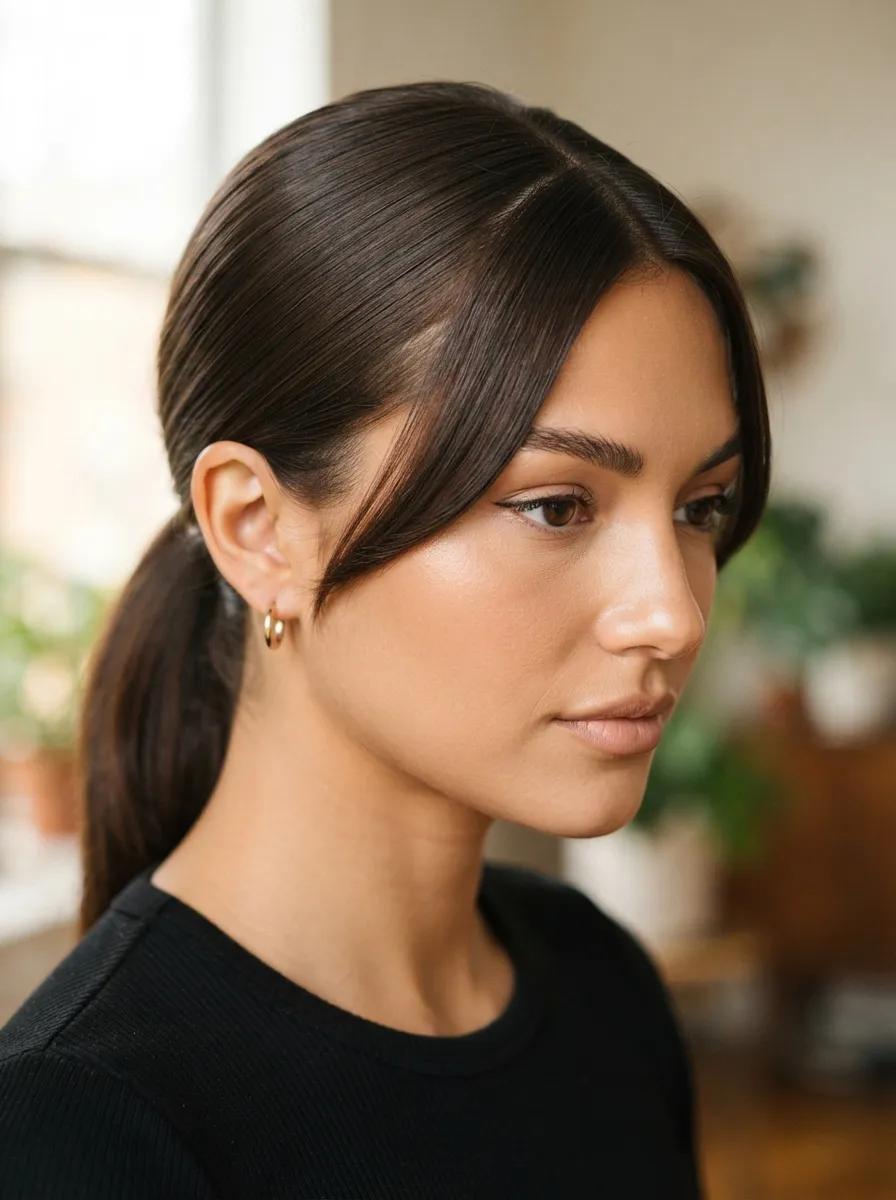
Changing your part can transform even the most basic ponytail into something that feels styled. Use the end of a rat tail comb to create a deep side part before gathering your hair back, letting a slightly longer piece frame one side of your face. This softens strong features and adds asymmetry to an otherwise simple look. It’s a favorite among stylists for headshot days because it flatters almost every face shape. The deep part also helps disguise a receding hairline or thinning part area if that’s something you’re managing. Pro tip: blow dry your part in the direction you want it to lay before securing your ponytail for a longer lasting effect.
8. The Textured Undone Ponytail

Not every office requires pin straight perfection, and this relaxed version works beautifully for creative workplaces or casual Fridays. Instead of smoothing your hair completely, use a texturizing spray and scrunch sections before gathering them loosely at the back. Pull a few pieces out around your face for a lived in effect. This style hides second or third day hair exceptionally well since the texture actually benefits from natural oils. It also takes under a minute to do, making it ideal for those mornings when you’re out the door in record time. Pro tip: a sea salt spray applied to damp hair the night before gives you built in texture by morning.
9. The Ponytail with Twisted Front Sections

For a style that feels a little more elevated for important presentations, twist small sections from each side of your part and pin them back before gathering the rest into your ponytail. The twists keep hair away from your face all day without looking overly done. This works especially well if you have shorter face framing layers that usually escape a regular ponytail. It’s also a great way to add texture if your hair is naturally straight and flat. Secure each twist with a single bobby pin hidden underneath the ponytail elastic. Pro tip: twist toward your face rather than away for a more flattering angle on camera.
10. The Low Ponytail with a Middle Part
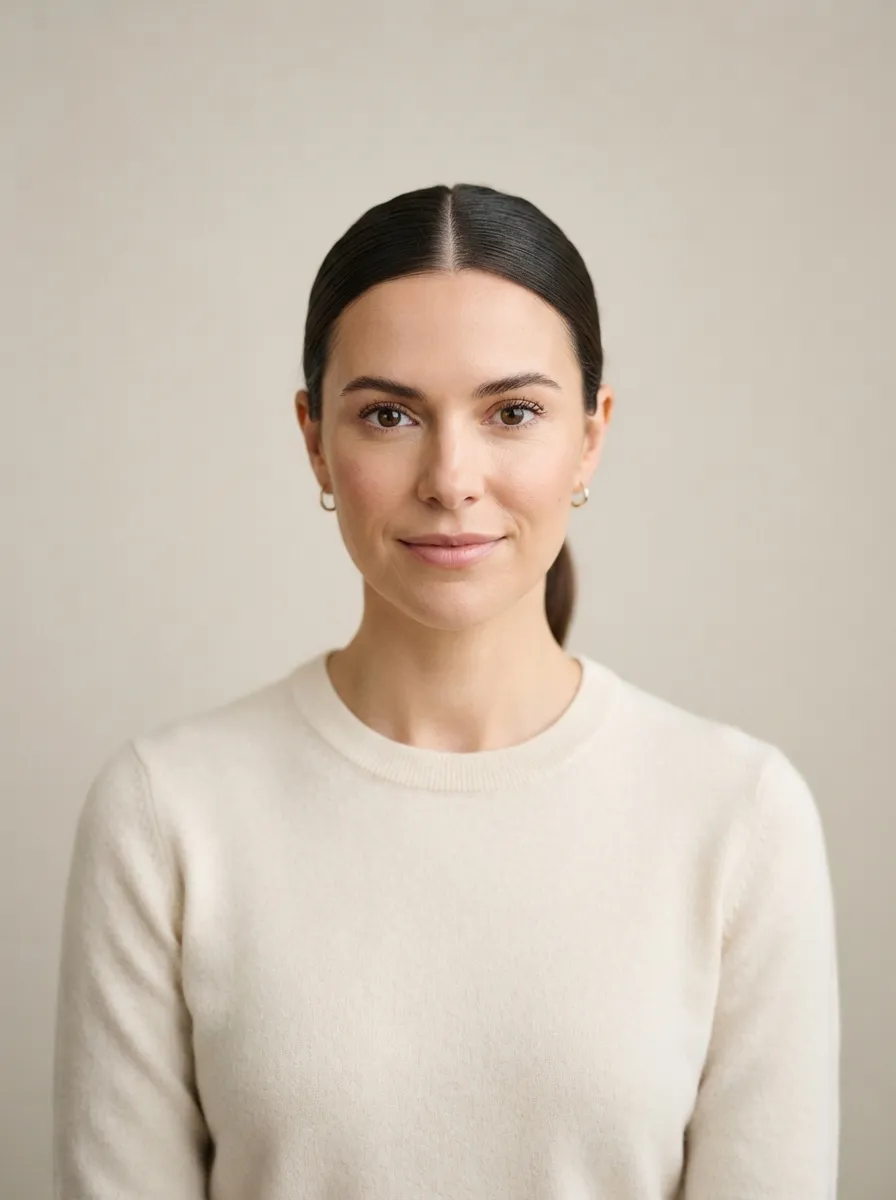
A centered part paired with a low ponytail creates one of the most timeless, symmetrical looks available and works for almost any face shape. This combination reads as especially professional, making it a smart choice for interviews, client pitches, or any day you want to project calm confidence. Keep the part clean using a fine tooth comb and smooth any flyaways with a light hold gel. This style also works exceptionally well for thick hair since the middle part naturally distributes volume evenly on both sides. Pro tip: apply a small amount of shine serum along your part line only, since too much product elsewhere can weigh down the rest of your ponytail.
11. The Curly Ponytail

If you have naturally curly hair, resist the urge to straighten it every morning and instead embrace a curly ponytail using a curl defining cream on damp hair before pulling it back. Gather your curls gently to avoid disrupting the pattern, and use a silk scrunchie instead of a regular elastic to prevent breakage. This style celebrates texture while still keeping hair controlled and off your shoulders during a busy workday. It also holds up remarkably well through humidity, which makes it dependable for outdoor commutes. Pro tip: apply product with your hair flipped upside down to encourage volume at the roots before securing.
12. The Wavy Ponytail

For hair that’s naturally wavy or has been curled the night before, a wavy ponytail adds movement and softness that a sleek style doesn’t offer. Use a one inch curling wand to add loose waves throughout, then gather your hair loosely at a mid height point. Leave a bit of volume at the crown rather than smoothing it completely flat. This style works particularly well for networking events after work since it feels a touch more done up than a plain ponytail. It photographs nicely too, which matters if your workday includes headshots or video content. Pro tip: curl your hair the night before and sleep in a loose braid so the waves are already formed by morning.
13. The Ponytail with a Bouffant Crown
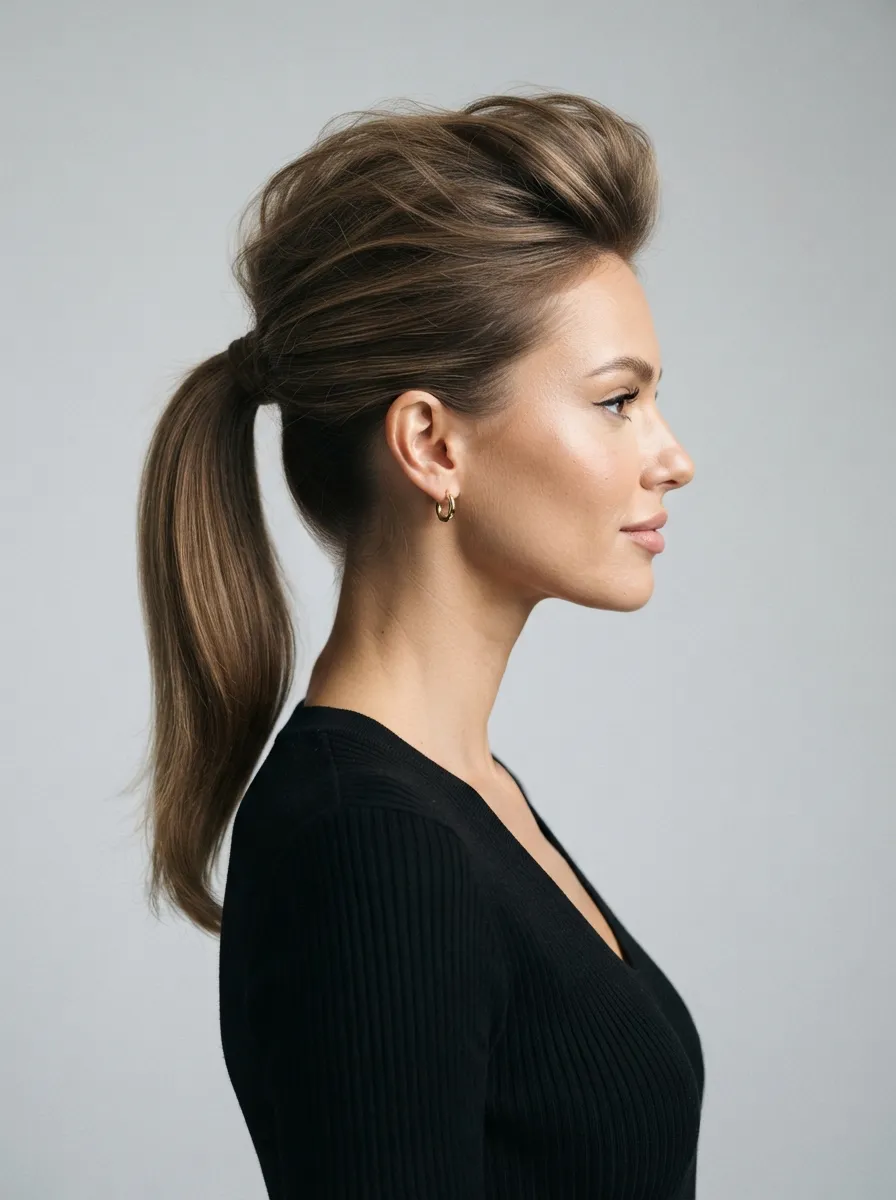
When you want extra height without spending time on a full blowout, teasing the crown section before securing your ponytail creates instant lift. Use a fine tooth comb to backcomb small sections at the root, then smooth the very top layer over the teased area for a polished finish. This style works well for oval and long face shapes since the added height balances proportions. It’s also a reliable trick for fine hair that tends to fall flat by midday. Set the crown with a light mist of hairspray before pulling the rest into your ponytail. Pro tip: only tease the underside layers, keeping the top layer smooth for a cleaner overall look.
14. The Two Strand Twist Ponytail
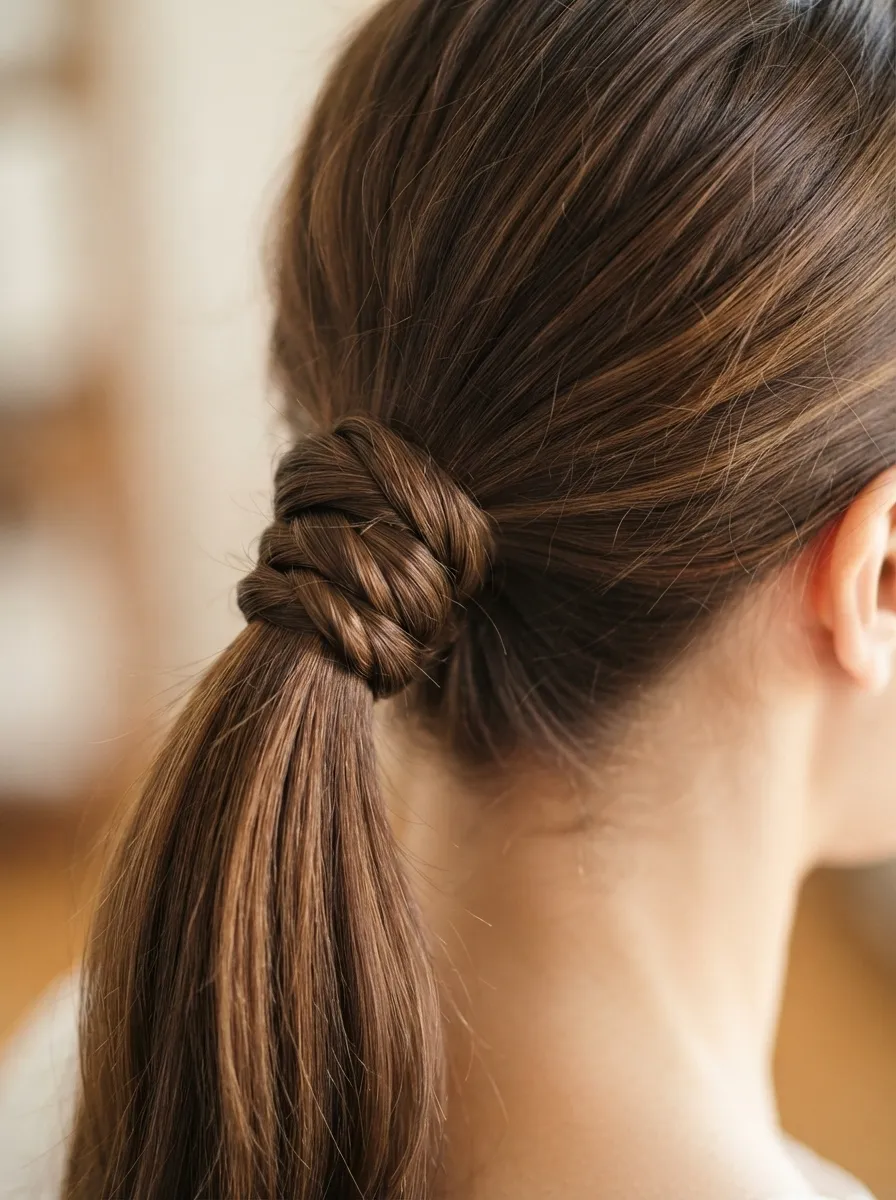
Rather than a single wrap around your elastic, take two small sections and twist them together before wrapping around the base of your ponytail. This creates a rope like detail that looks more intricate than it actually is to create. It works especially well for medium length hair and adds a small design element that makes the style feel considered even on your busiest days. Pair this with a low or mid height ponytail for the most polished result. Pro tip: pin the end of the twist underneath with a bobby pin rather than tucking it in, since tucking alone tends to loosen throughout the day.
15. The Ponytail with Face Framing Layers

If your hair has shorter layers around the face, work with them instead of fighting them by leaving a few pieces out intentionally when you pull your ponytail back. Curl these pieces lightly away from your face for a soft, finished look that feels effortless. This style softens the overall silhouette of a pulled back style, which some people prefer for client facing roles where a full slicked back look can feel too severe. It also draws attention to your cheekbones and jawline. Pro tip: use a small amount of pomade on the face framing pieces only to keep them looking intentional rather than frizzy.
16. The Sporty High Pony with Headband

For early meetings or a quick gym session before the office, a high ponytail paired with a thin headband keeps every strand controlled while adding a small style element. Choose a headband in a neutral tone like black, tortoise, or camel to keep the look office appropriate rather than casual. This combination is particularly useful on days when your roots need a bit of camouflage since the headband sits right at the hairline. It also prevents baby hairs from escaping throughout a long day of back to back calls. Pro tip: position the headband slightly further back than you think, about an inch from your natural hairline, for the most flattering placement.
17. The Ponytail with a Zigzag Part
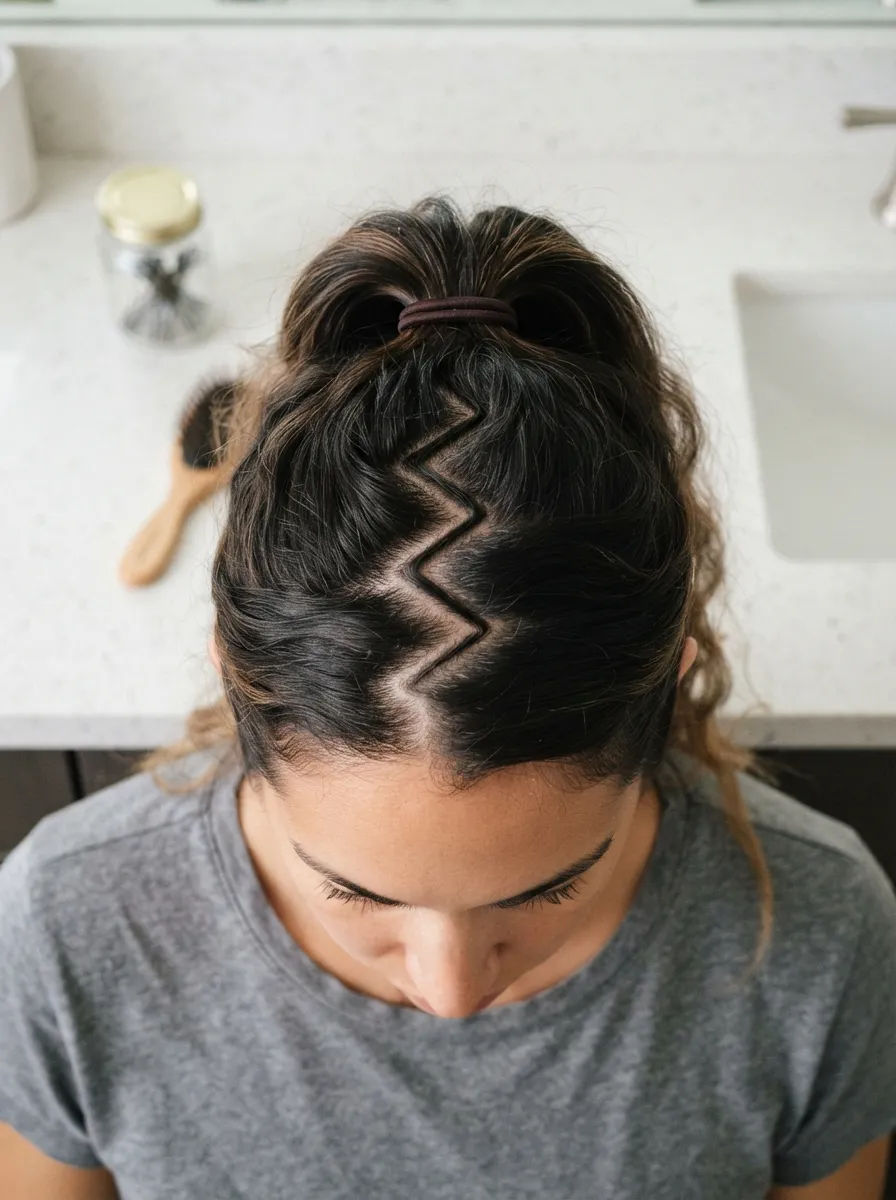
Swap your usual straight part for a zigzag part using the pointed end of a rat tail comb, creating small triangular sections along your part line before smoothing the rest back into a ponytail. This adds volume at the roots since the zigzag pattern naturally lifts hair away from the scalp. It’s a subtle detail that most people won’t consciously notice but will register as more polished overall. This works especially well for fine, flat hair that needs help holding shape throughout a long workday. Pro tip: practice this part on a day off first since it takes a bit of hand coordination to master the zigzag motion.
18. The Low Ponytail with a Bow

Adding a ribbon or fabric bow to a simple low ponytail brings a touch of personality to an otherwise minimal style, and it works surprisingly well for creative offices or Friday meetings with more relaxed dress codes. Choose a bow in a solid, neutral color like black, navy, or cream to keep it workplace appropriate. Tie it directly over your elastic to hide the band completely. This is also a great trick if you’re transitioning from work to a dinner or event afterward since it elevates the look instantly. Pro tip: a silk scarf folded into a thin strip works just as well as a store bought bow and costs nothing extra.
19. The Ponytail with Slicked Edges

For a boardroom ready finish, use a small amount of gel on an edge brush to slick down any baby hairs and flyaways along your hairline before gathering the rest into a smooth ponytail. This creates a clean, sculpted look around the face that reads as very intentional and put together. It works especially well for special presentations, interviews, or days when you’re photographed for company materials. Be careful not to overdo the gel, since too much product can look greasy rather than polished. Pro tip: use a clean spoolie brush to blend the gel edges softly rather than leaving hard, sharp lines.
20. The Ponytail with a Scarf Wrap
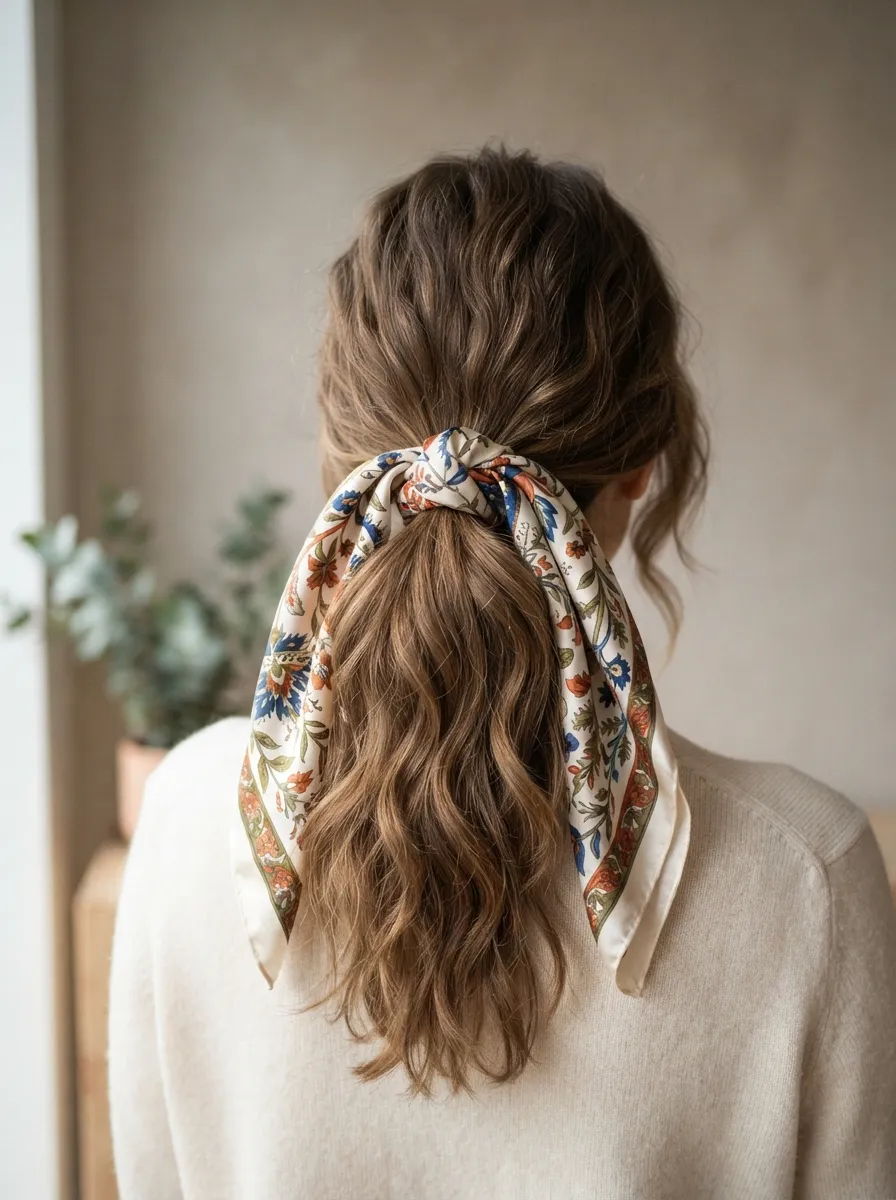
Wrapping a silk scarf around the base of your ponytail instead of using a plain elastic adds color and texture without requiring any extra styling skill. Choose a scarf in a print or solid that complements your outfit for the day, then simply tie it around your existing ponytail base in a small bow or knot. This works for any hair type and instantly makes a basic ponytail feel more finished. It’s also a practical option if your usual elastics keep snapping or losing elasticity. Pro tip: thin silk scarves work best for this since thicker fabric can create too much bulk at the base.
21. The Low Ponytail for Fine, Thin Hair
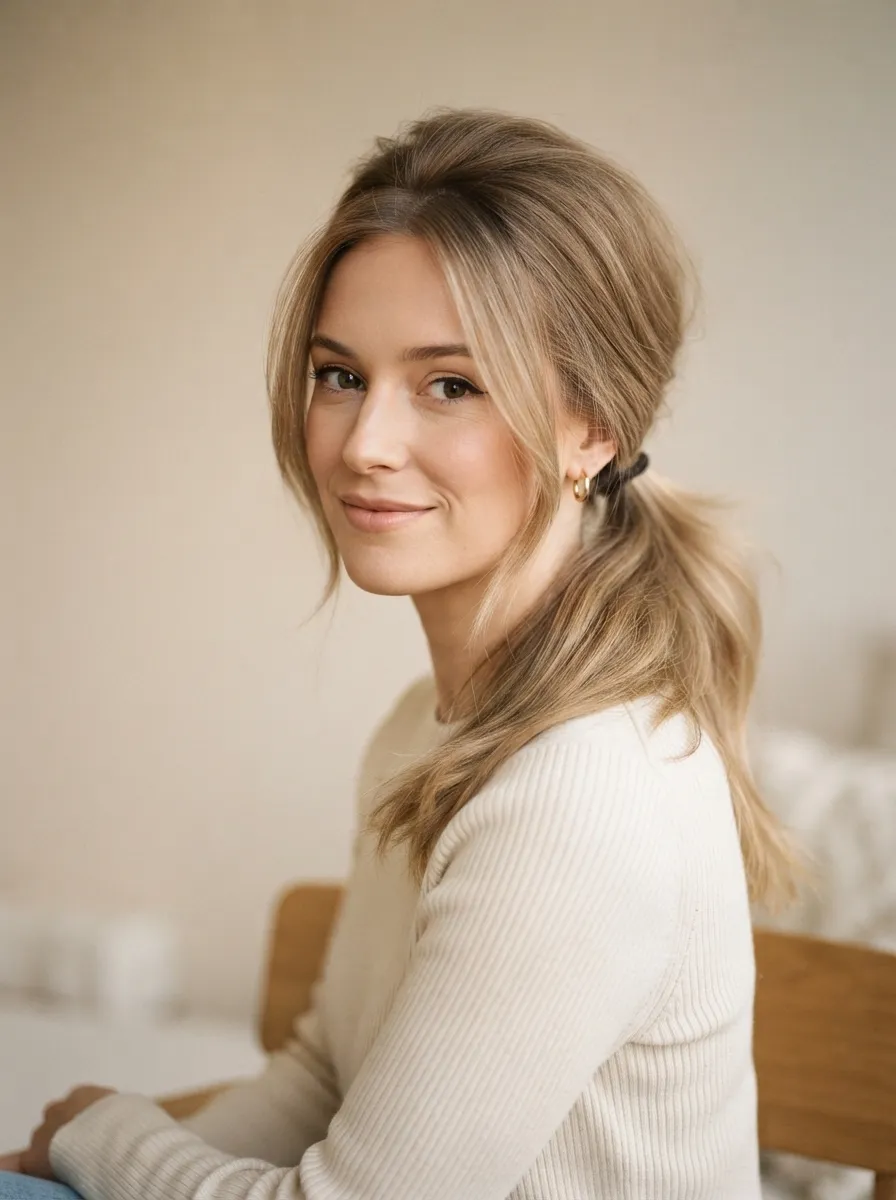
Fine hair often struggles to hold volume in a ponytail, but a few small tricks make a real difference. Use a volumizing mousse on damp roots before drying, then backcomb slightly at the crown before gathering your hair back. Choose a thin, matte elastic rather than a thick one, since bulky bands can make fine hair look even thinner by comparison. This approach creates the illusion of thicker hair without any extensions or clip ins needed. It’s a dependable option for anyone who feels their ponytail looks a bit sparse by midday. Pro tip: two thinner elastics stacked close together often hold better than one on fine hair since they distribute pressure more evenly.
22. The High Ponytail for Thick, Curly Hair

Thick, curly hair needs a slightly different approach to avoid a ponytail that feels heavy or pulls at the scalp all day. Use a wide tooth comb to detangle gently, apply a leave in conditioner to reduce frizz, and gather hair loosely rather than pulling too tight, which can cause tension headaches by afternoon. A thick, fabric covered elastic holds better than a thin rubber band for hair with more density. This style keeps curls off your neck during long days while still celebrating natural texture. Pro tip: apply product in sections rather than all at once to ensure even coverage throughout dense, curly hair.
23. The Ponytail for Shoulder Length Hair

Shorter hair can be trickier to keep in a ponytail since shorter pieces tend to slip out throughout the day. Use small bobby pins to secure any escaping strands near the nape of your neck, and consider a slightly lower ponytail placement since shoulder-length hair has less length to work with at higher points. A light hold hairspray applied before gathering helps everything stay in place longer. This is one of the most requested styles for anyone growing out a shorter cut who wants a professional look in the meantime. Pro tip: a few hidden bobby pins crossed at the nape catch any pieces that are too short to reach the main ponytail.
24. The Ponytail for Long, Heavy Hair
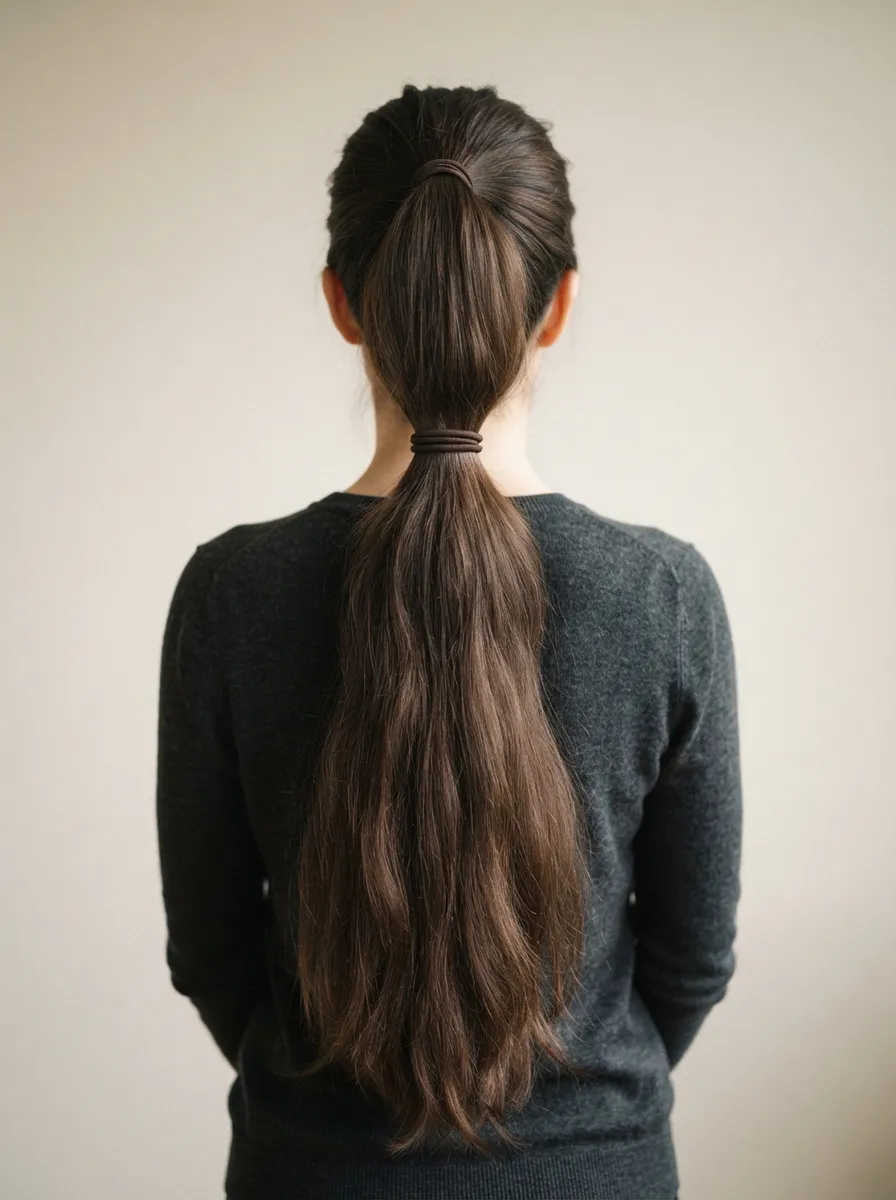
Very long or thick hair can put strain on a single elastic and cause headaches by the end of a workday, so distributing weight matters here. Consider a double ponytail technique where you secure hair at the crown first, then gather the remaining length into a second elastic just below it. This splits the tension across two points rather than one. A wide, cushioned elastic also reduces pulling at the scalp compared to thin rubber bands. This approach is especially helpful for anyone sitting through long meetings where scalp discomfort becomes distracting. Pro tip: loosen the first elastic slightly once the second is in place to reduce overall tension without sacrificing the sleek look.
25. The Low Bun Ponytail Hybrid
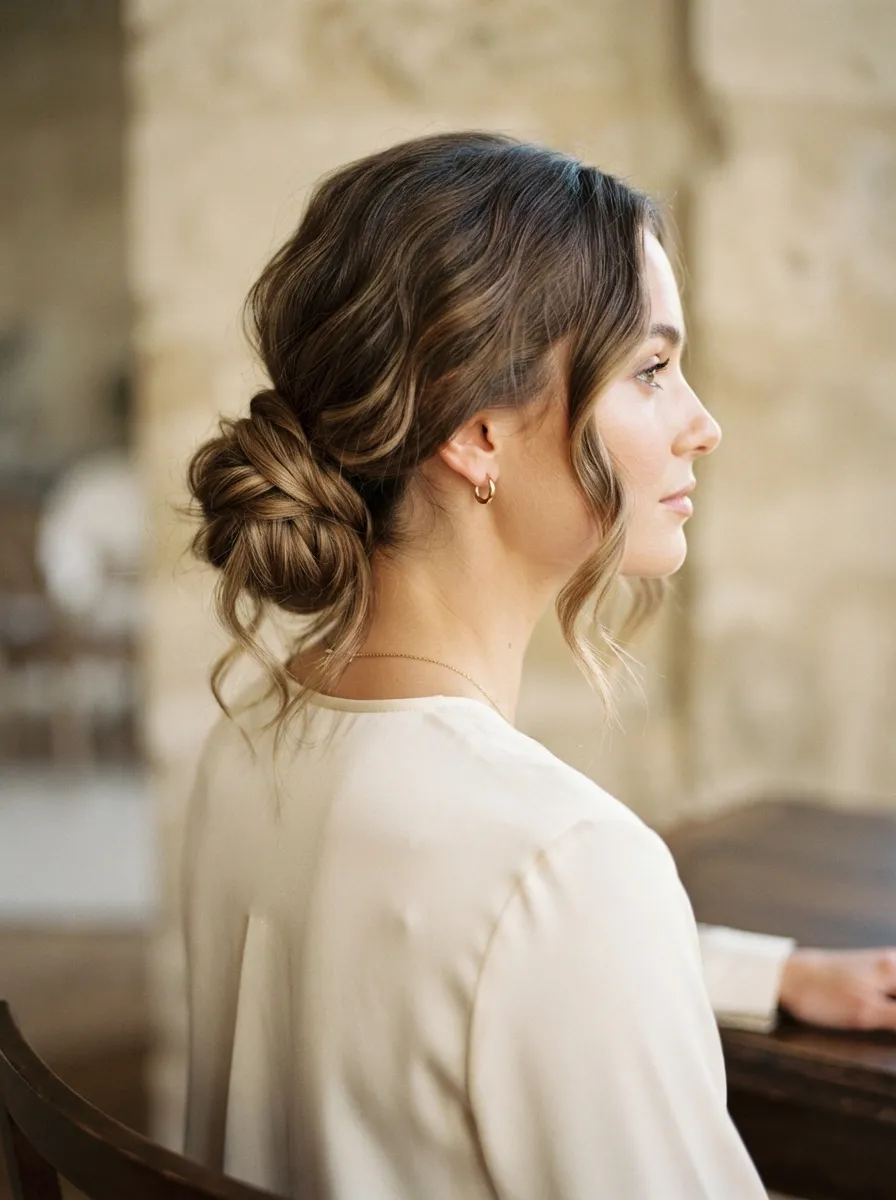
For days that require a bit more formality, gather your hair into a low ponytail as usual, then twist the length and wrap it around the base into a loose, low bun instead of leaving it hanging. Secure with a few bobby pins hidden underneath. This hybrid style offers the ease of a ponytail with the polished finish of an updo, making it a smart choice for important client meetings or company events. It also keeps hair completely off your neck and shoulders, which is useful during warmer months or long days on your feet. Pro tip: leave the bun slightly loose rather than pulling it tight for a softer, more intentional looking finish.
Conclusion
A great ponytail can carry you through an entire workweek without ever feeling repetitive once you know a handful of variations to rotate through. Whether you’re dealing with fine hair that needs volume, thick curls that need gentle handling, or simply want a quick style that still looks intentional, there’s a version here for every morning and every meeting. Try swapping in one new technique each week, whether that’s a twisted wrap, a deep side part, or a scarf tied around your elastic, and you’ll build a small collection of go to looks that never feel boring. Your hair routine doesn’t need to be complicated to look professional, it just needs a few smart tricks up your sleeve.