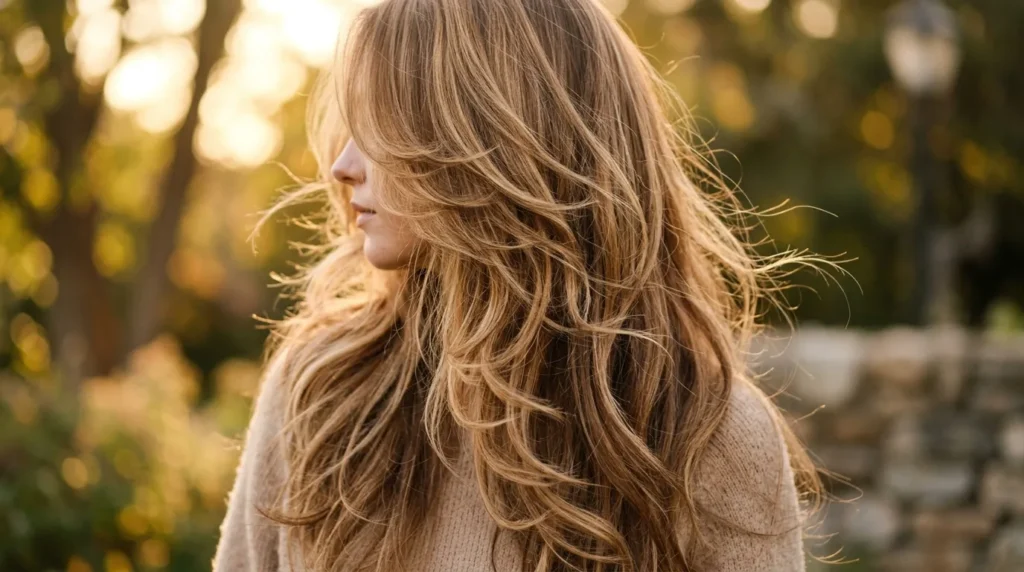

1. Face Framing Layers That Open Up Thin Hair
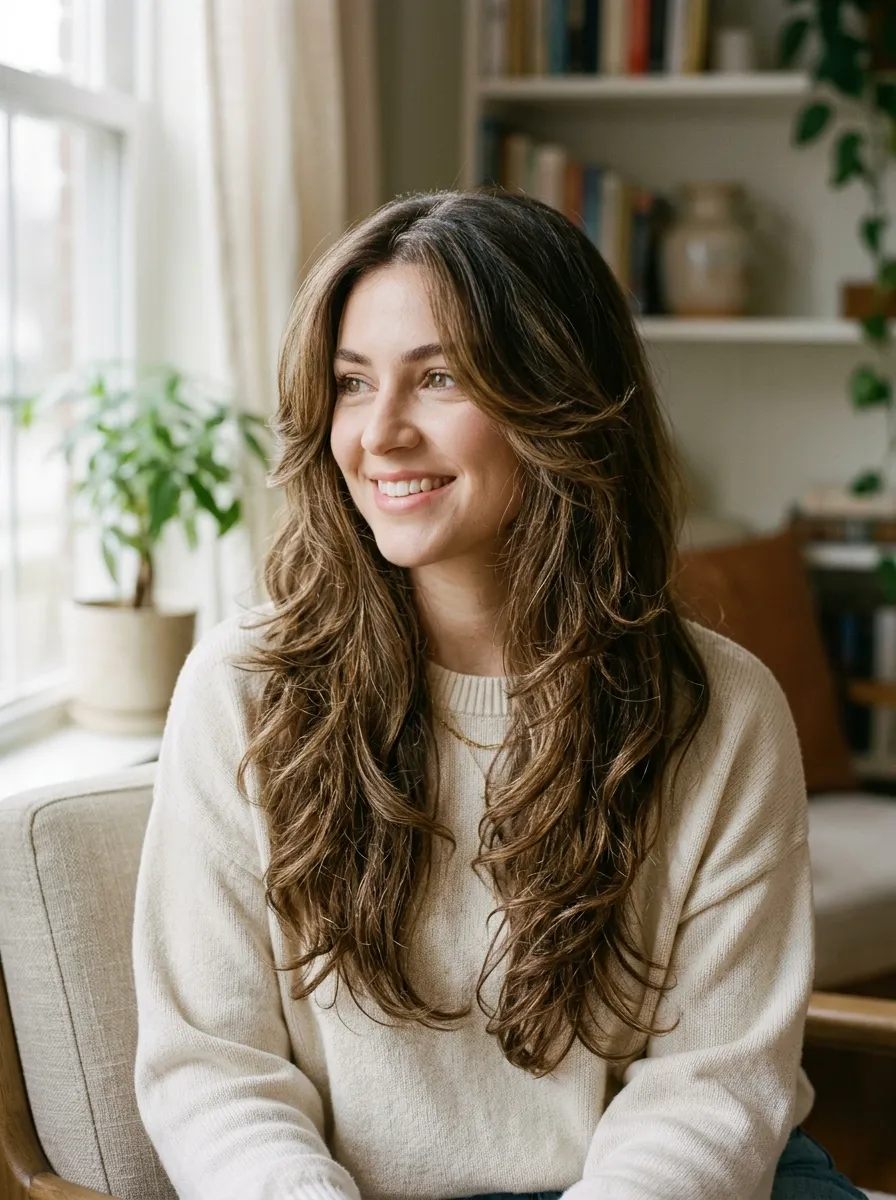
Face framing layers are the heart of the butterfly cut. They start short near the chin and get longer as they blend into the rest of your hair. This shape pulls attention toward your face and away from thin ends. It creates the illusion of a fuller hairline without any extra product. Ask your stylist to cut these layers a little shorter than usual if your hair is fine. Shorter pieces sit closer to your face and add more visible lift. At home, you can style them with a small round brush while blow drying. Curl the layers slightly inward toward your cheeks for a soft finish. This small trick makes thin hair look thicker in seconds. Budget tip: a basic round brush from a local store works just as well as an expensive salon tool. Try air drying first, then only use heat on the front layers to save time and protect your hair from damage. Face framing layers also grow out gracefully, so you will not need frequent trims to keep the shape looking sharp and fresh.
2. Curtain Bangs Paired With Butterfly Layers
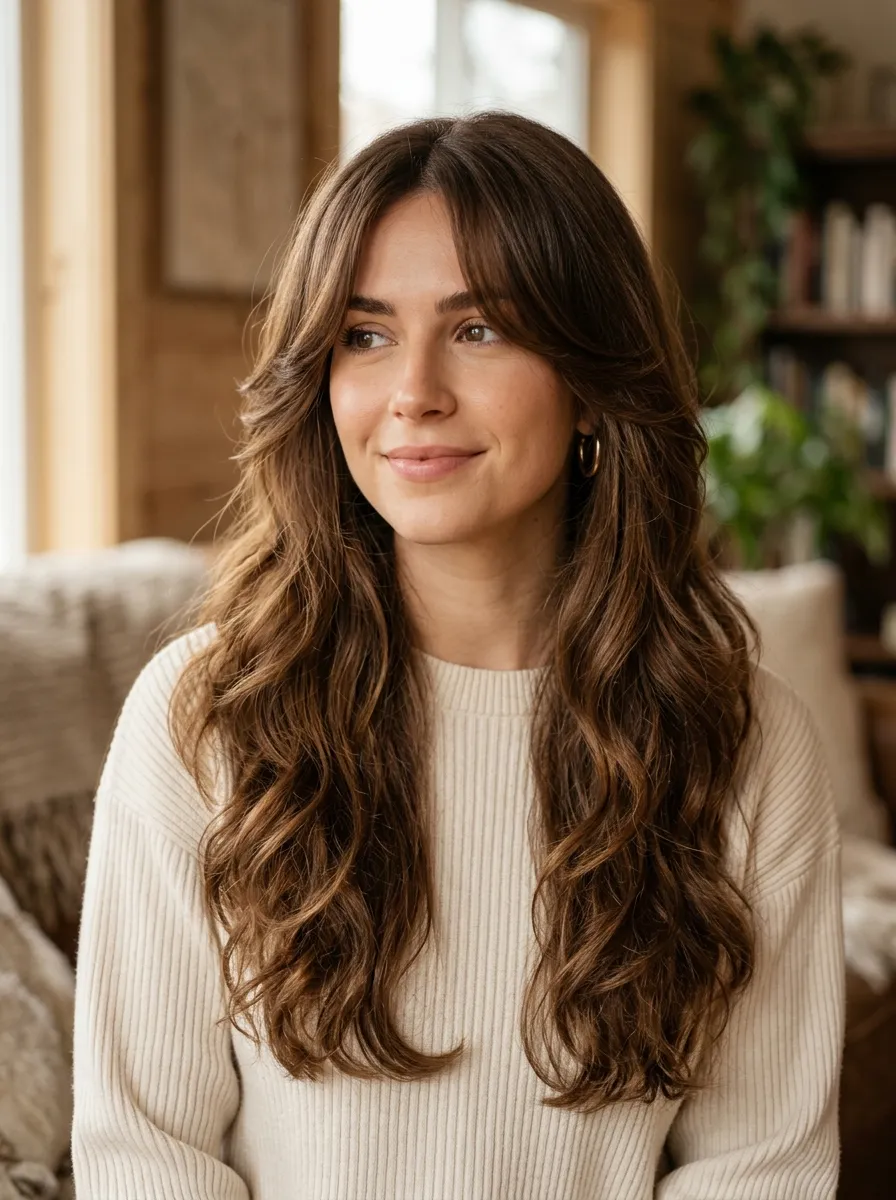
Curtain bangs split down the middle and sweep to each side of your face. Paired with butterfly layers, they add width across the forehead and cheeks. This combination is one of the easiest ways to make fine hair appear denser. The bangs blend directly into the top layers so there is no harsh line. You can style them with a flat iron by bending the ends slightly outward. A soft bend adds shape without looking stiff. If you do not want to commit to a full fringe, ask for long curtain pieces that can be tucked behind your ears when needed. This flexibility makes the style practical for daily wear. Budget tip: dry shampoo at the roots of your bangs can extend the time between washes and keep the front section looking voluminous. Curtain bangs also work well with hats and headbands, so styling on busy mornings becomes simple. This pairing suits almost every face shape and remains one of the most requested looks for thin long hair right now.
3. Feathered Ends For Soft Movement
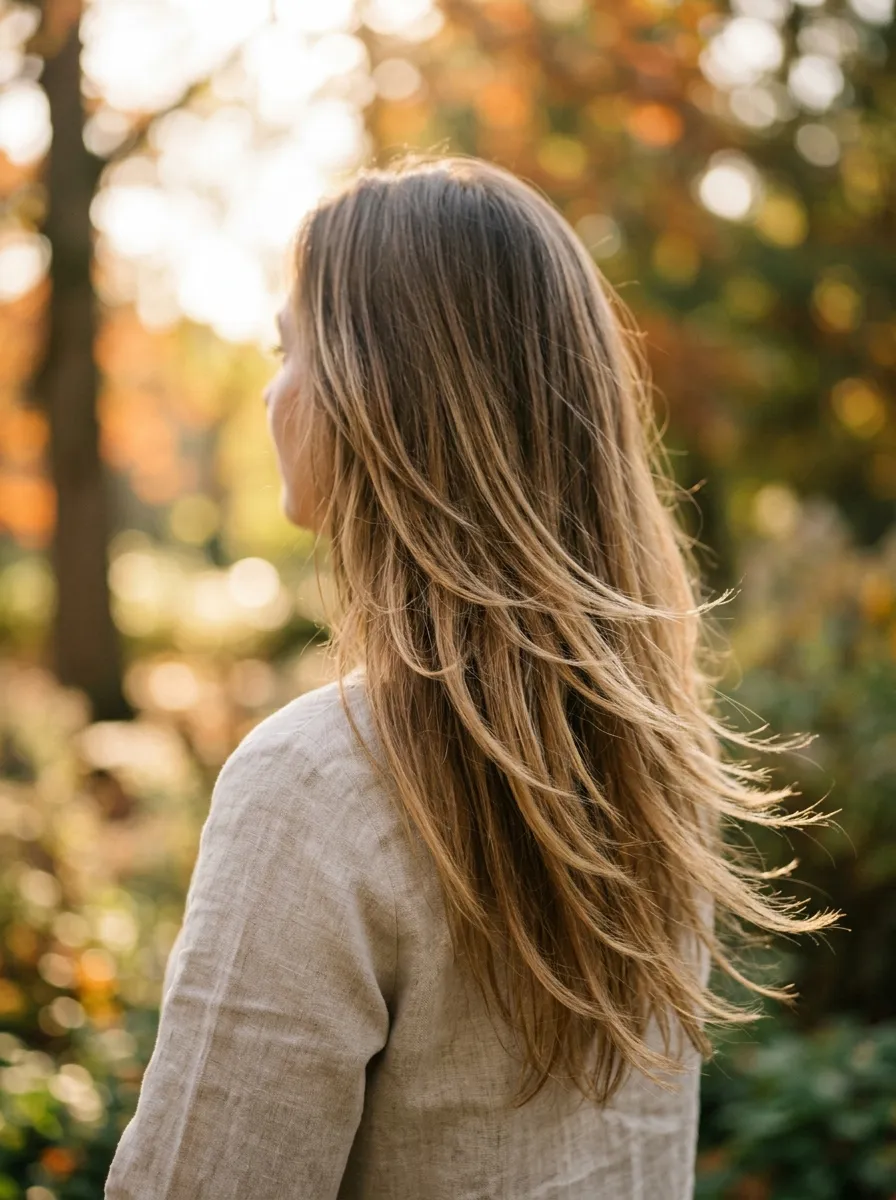
Feathered ends are cut using a razor or point cutting technique. This removes small sections of weight from the tips of your hair. The result is softer, wispier ends that move more freely. Thin hair often looks stringy at the bottom, and feathering fixes this by breaking up straight lines. Ask your stylist to point cut the last two inches of your length. This keeps the ends light instead of blunt and heavy looking. At home, a texturizing spray can mimic this effect between salon visits. Spray lightly on damp ends and scrunch with your hands before air drying. This small step adds separation and a piecey finish. Budget tip: a spray bottle filled with water and a small amount of sea salt spray works as a homemade texturizer. Feathered ends pair naturally with the butterfly cut because both techniques focus on movement rather than heavy layers. This combination gives long thin hair a lighter, airier appearance without sacrificing length.
4. Long Layers With A Butterfly Fringe
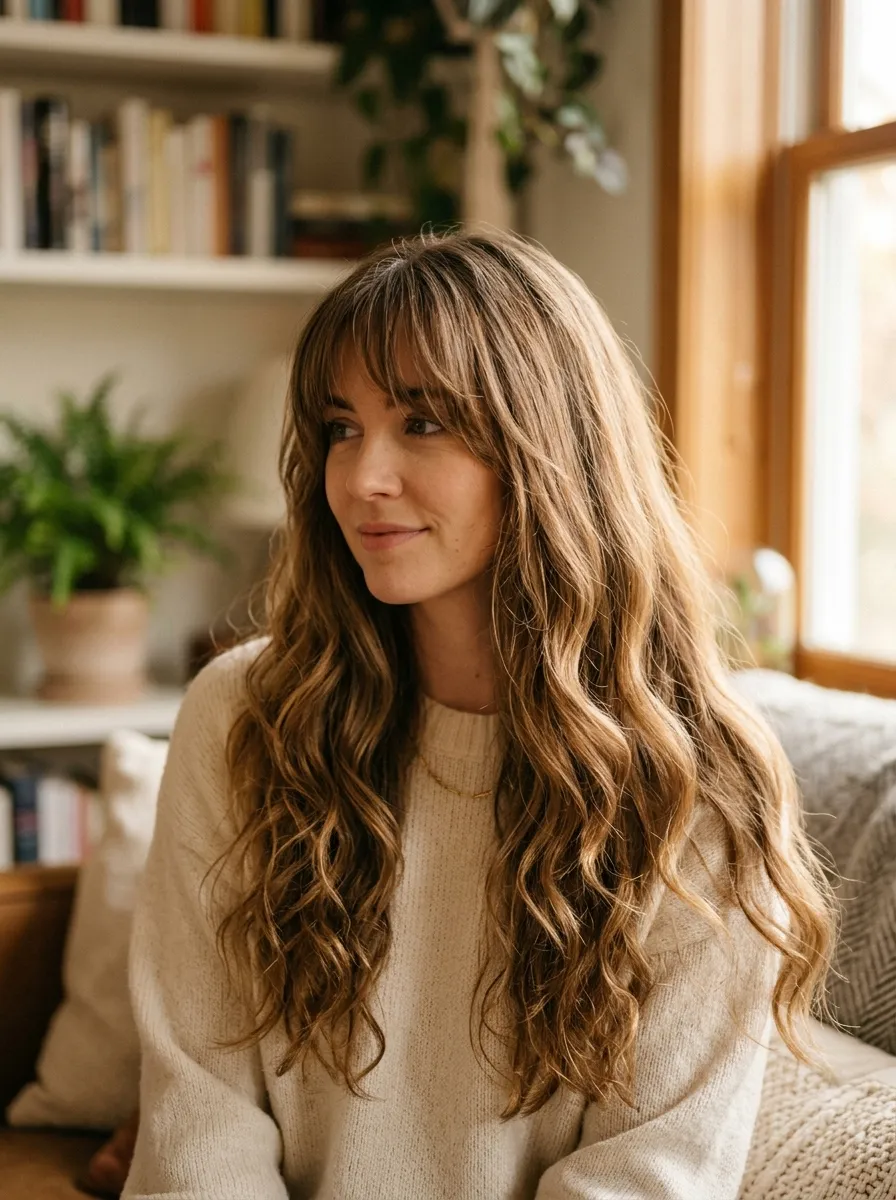
A butterfly fringe is a soft, wispy set of bangs that blends into longer layers on each side. Unlike a full blunt fringe, this style feels lighter and easier to manage. It works well for thin hair because it avoids concentrating weight in one thick section across the forehead. Ask your stylist to cut the fringe at an angle rather than straight across. This keeps it looking soft rather than heavy. Style it with a small amount of light hold gel to prevent flatness. Avoid heavy creams or oils near the roots since they can weigh fine hair down quickly. Budget tip: a travel size bottle of gel lasts a long time and costs less than most styling creams. This fringe style also grows out easily into curtain bangs if you want to change your look later. Long layers underneath keep the rest of your hair moving naturally, which helps the fringe blend rather than stand out as a separate section.
5. Butterfly Cut With Balayage For Depth
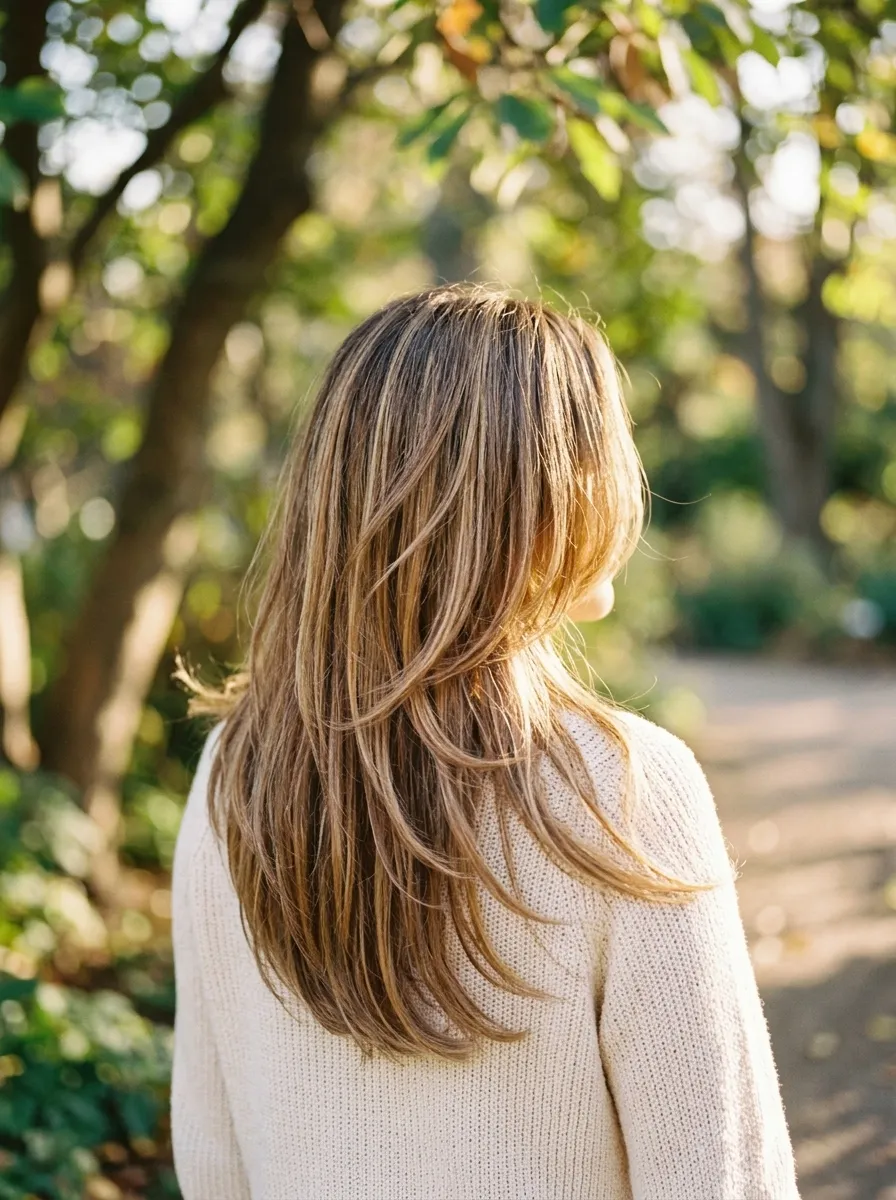
Color can do a lot of the volume work for you. Balayage adds lighter pieces throughout the mid lengths and ends, creating a sense of depth and dimension. When paired with butterfly layers, the lighter strands catch light differently than the darker base color. This contrast tricks the eye into seeing more layers and more hair overall. Ask your colorist for a soft, hand painted balayage rather than heavy foils, since a natural gradient looks fuller than solid blocks of color. At home, use a color safe shampoo to protect the lightened pieces from fading too quickly. Budget tip: many drugstore brands now offer color protecting formulas at a fraction of salon brand prices. Balayage also grows out with less visible regrowth lines compared to traditional highlights, so you can stretch out your salon visits. This makes it a practical choice for anyone managing a tight budget while still wanting long hair to look thicker and more textured.
6. Root Volume Styling For Fine Strands
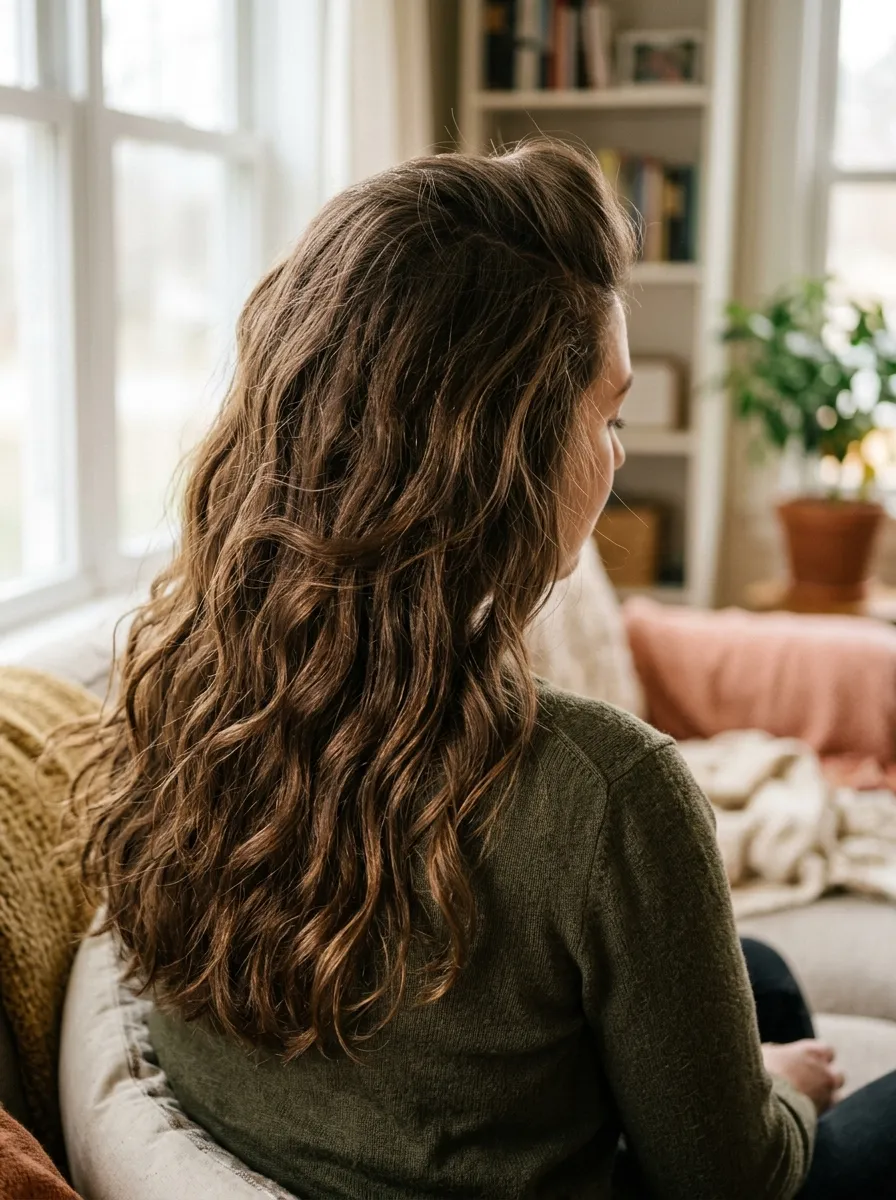
Root lift is one of the fastest ways to make thin hair look thicker without cutting anything. Blow dry your roots in the opposite direction of how you normally part your hair. Use your fingers or a round brush to lift each section away from the scalp while drying. Once fully dry, flip your hair back into place. This creates lasting lift at the crown that lasts through most of the day. A light dusting of root powder or dry shampoo at the part line adds texture that helps hair strands grip each other for extra hold. Budget tip: baby powder works in a pinch if you do not have a specific root volumizing product on hand. Pair this technique with your butterfly layers by focusing the lift directly where your layers begin. This combination gives the illusion of a much denser head of hair. Root volume styling takes only a few extra minutes and requires no additional products if you are working with a tight budget.
7. Wispy Crown Layers For Extra Lift
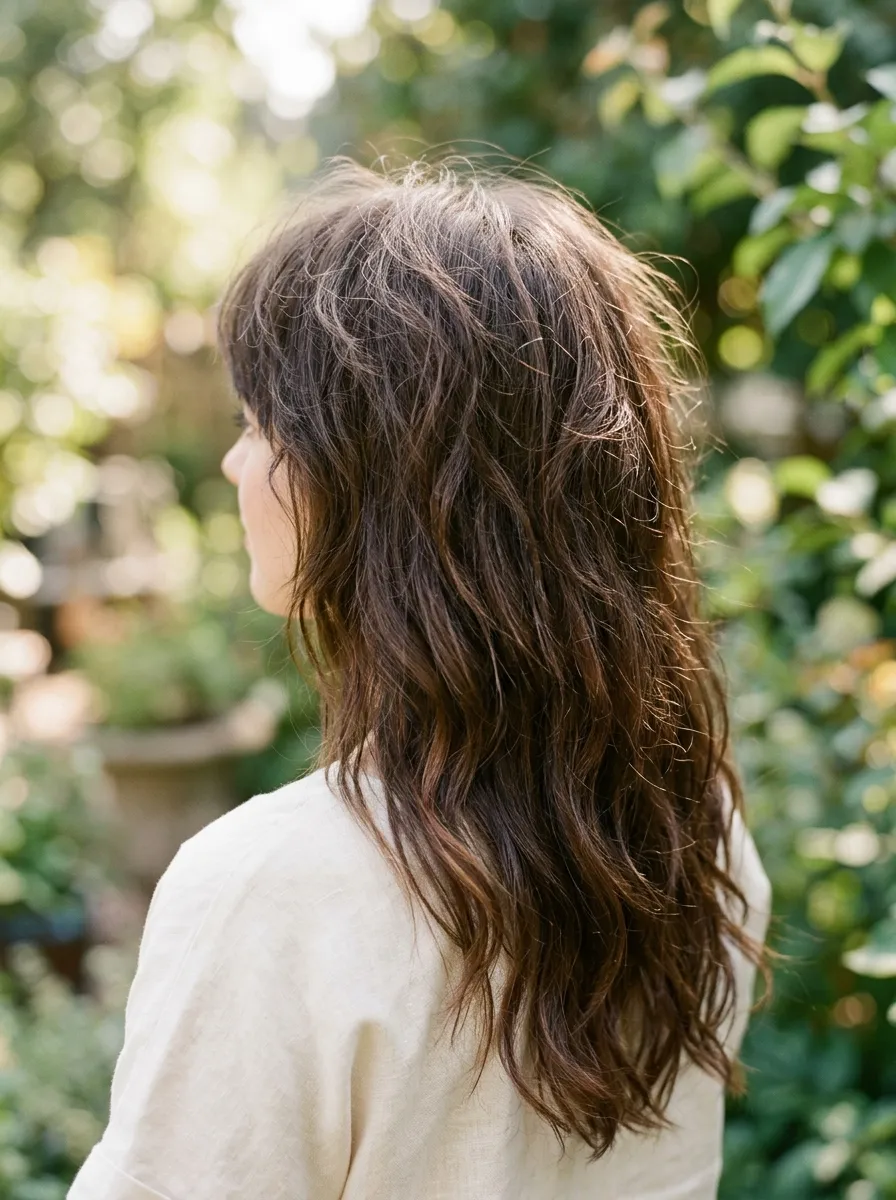
Short layers cut into the crown area add lift right where thin hair often falls flattest. These layers are shorter than the rest of your butterfly layers and sit closer to the scalp. They stand up slightly on their own, giving the appearance of more density at the top of your head. Ask your stylist to point cut these pieces so they blend smoothly rather than sticking out. Style with a small round brush, lifting the roots away from your head while blow drying. A light hairspray at the crown only, not throughout your length, helps hold the lift in place. Budget tip: travel size hairspray cans are inexpensive and prevent overuse, which keeps hair from feeling stiff or sticky. Crown layers work especially well for anyone who parts their hair in the middle, since this is often the area where thin hair looks flattest. This small addition to your butterfly cut makes a noticeable difference in how full your hair looks from the front and sides.
8. Money Piece Highlights With Butterfly Layers
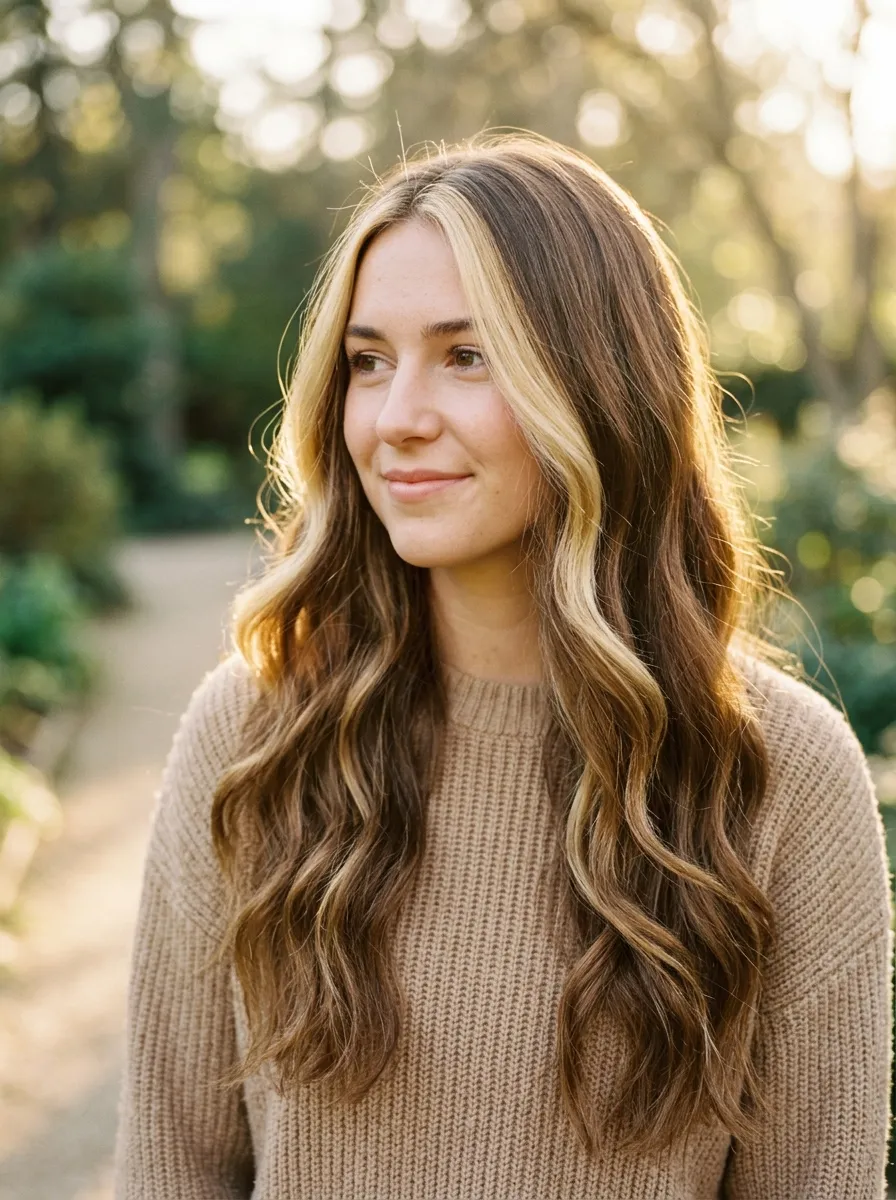
A money piece is a bold highlight placed right at the front of your face, usually a shade or two lighter than the rest of your hair. When it lines up with your face framing butterfly layers, it draws attention to the movement in your layers rather than the thinness of your hair. This technique works on almost any hair color and can be as subtle or as bright as you like. Ask your colorist to keep the highlight close to your part line for the most natural effect. At home, use a purple or blue toning shampoo occasionally to keep brassiness from developing in the lightened section. Budget tip: toning shampoo lasts a long time since you only need it once or twice a week, making it one of the more affordable color maintenance products available. Money piece highlights also grow out gracefully, blending into a soft face framing balayage over time, which means fewer touch up appointments and more savings in the long run.
9. Blunt Ends With Layered Top Sections

Keeping the very ends of your hair blunt while layering the top sections is a clever way to preserve thickness at the bottom. Thin hair often looks wispy when the ends are heavily layered, so a blunt line at the bottom creates the appearance of a solid, full finish. The butterfly layers are then cut only through the mid section and crown, adding movement without sacrificing the density at the ends. Ask your stylist to leave at least two inches of blunt length at the bottom while layering above it. Style with a flat iron, focusing heat only on the top layers to keep them soft and bouncy. Budget tip: using a heat protectant spray before styling extends the life of your blunt ends and reduces split ends, saving you money on frequent trims. This combination works particularly well for straight hair types, since the blunt ends hold their shape and the top layers add all the necessary texture and lift.
10. Soft V Layer Butterfly Shape
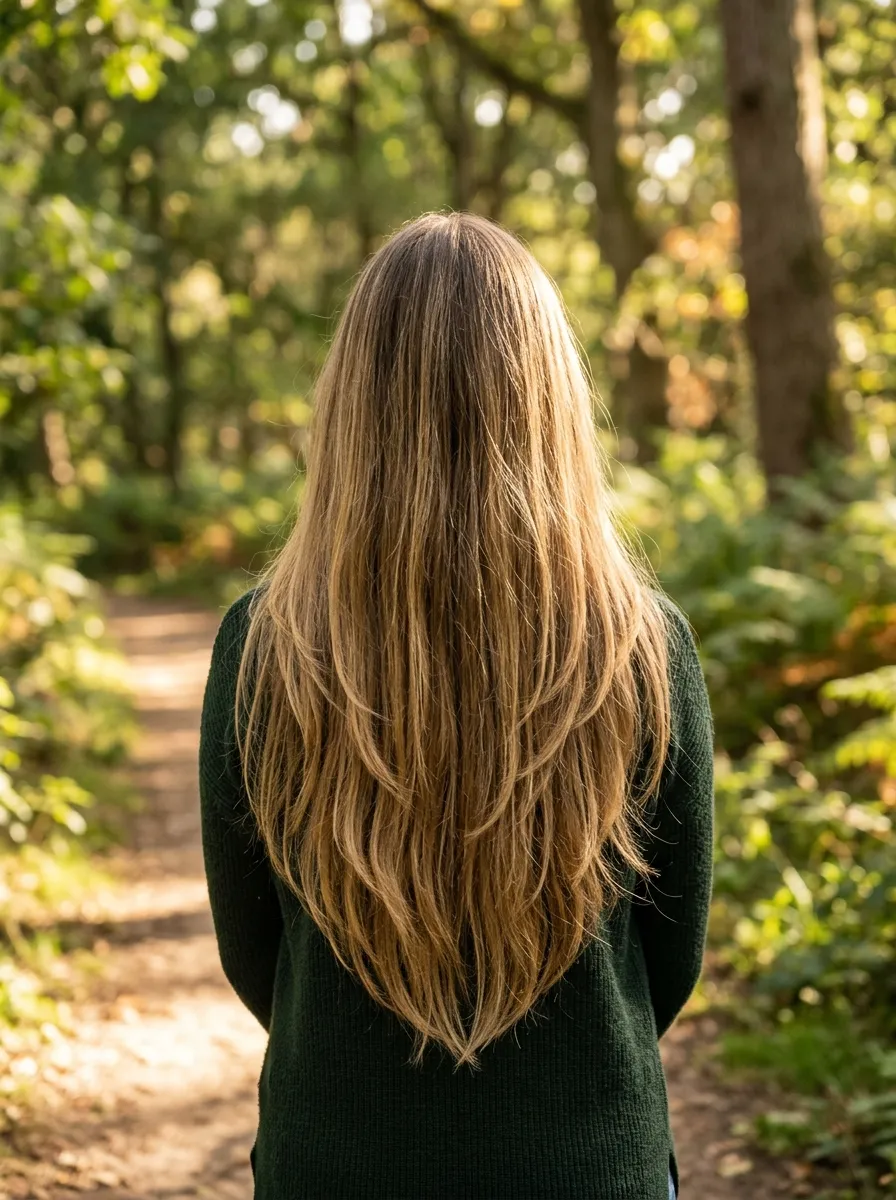
A soft V layer cuts the ends into a gentle point rather than a straight line. This shape naturally draws the eye downward and creates the illusion of more length and body. When combined with butterfly layers around the face, it balances out the overall silhouette of your hair. Ask your stylist to keep the V subtle rather than dramatic, since a soft angle blends more smoothly with fine hair. Style by curling the ends slightly inward with a wand to emphasize the point shape. Budget tip: a basic curling wand under a certain price range works fine for occasional styling and does not need to be a high end brand. This layer shape also hides split ends better than a straight blunt cut, since the angled ends draw less attention to any damage. The soft V works well for anyone growing out their hair who still wants shape and movement without losing length.
11. Side Swept Bangs With Butterfly Layers
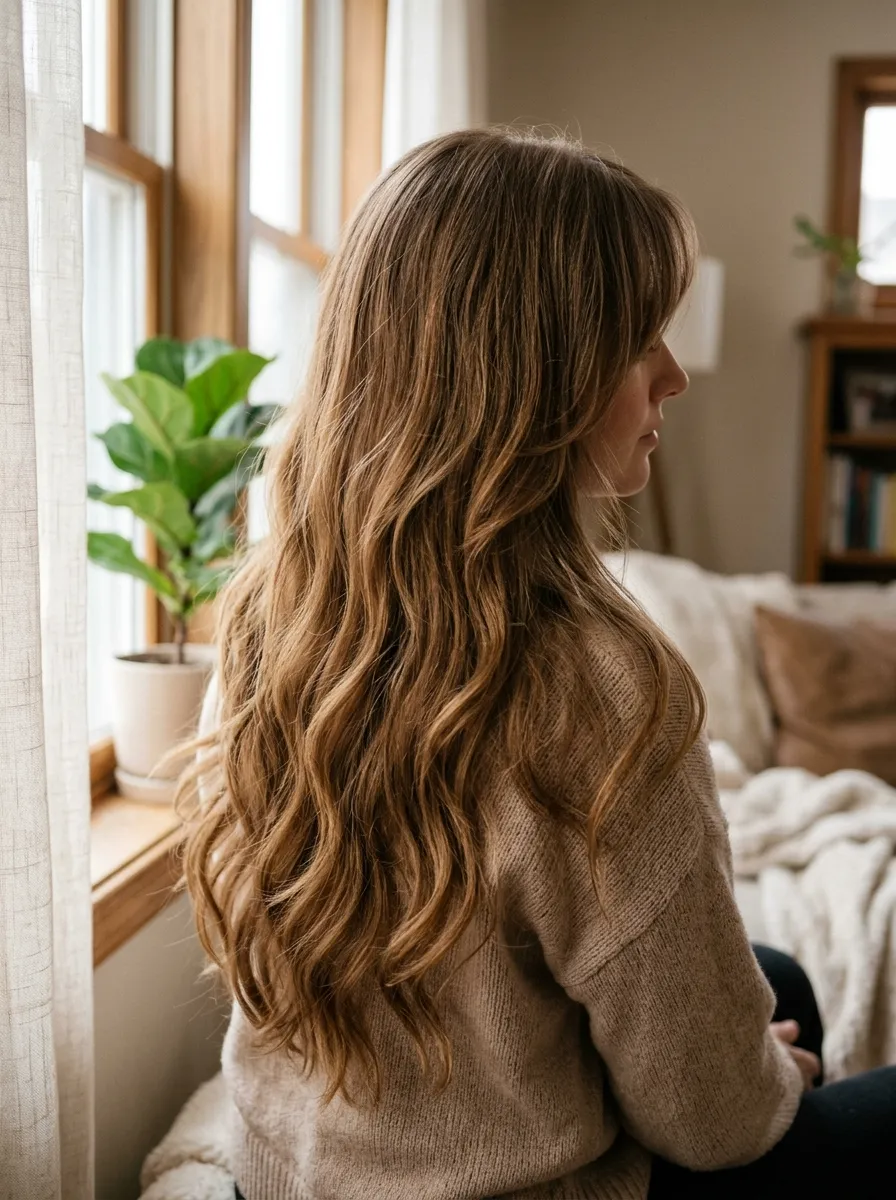
Side swept bangs sit at an angle across the forehead and blend into the longer layers on one side. This style softens the face while adding fullness near the temples, an area where thin hair often looks sparse. Ask your stylist to cut the bangs long enough to tuck behind your ear on quieter days, giving you flexibility in how you wear them. Style with a round brush, sweeping the bangs to one side while blow drying for a smooth finish. A small amount of light serum on the ends prevents flyaways without weighing the hair down. Budget tip: a few drops of coconut oil can double as a light serum for taming frizz on a budget. Side swept bangs pair naturally with butterfly layers since both styles rely on soft, blended lines rather than harsh cuts. This look suits round, oval, and heart shaped faces particularly well, making it one of the more versatile options on this list for thin long hair.
12. Beachy Waves Over Butterfly Layers
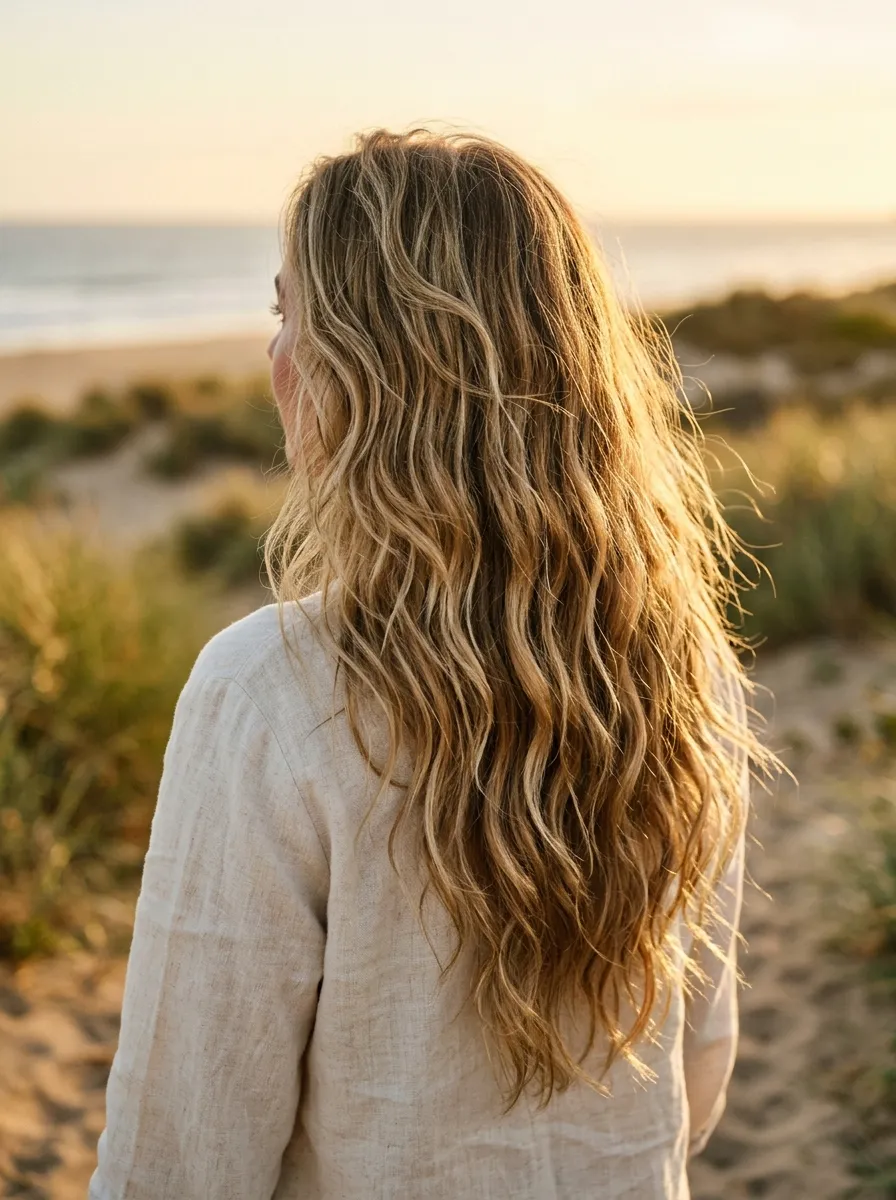
Loose waves add texture that naturally tricks the eye into seeing more hair. When layered through a butterfly cut, waves catch and separate at different lengths, creating a fuller silhouette from root to tip. You do not need an expensive curling iron to achieve this look. Braid damp hair before bed and let it dry overnight for soft, natural waves by morning. Alternatively, twist small sections of hair and blow dry them with a diffuser for quick beachy texture. Budget tip: a spray bottle mixed with water and a pinch of salt creates a beach spray at home for a fraction of store bought prices. Apply this to damp hair before scrunching for extra texture and hold. Beachy waves work well on both straight and naturally wavy hair types, making this one of the most accessible ideas on this list. The combination of waves and butterfly layers creates movement that flat, straight thin hair often lacks.
13. Short Face Framing Pieces For Fullness
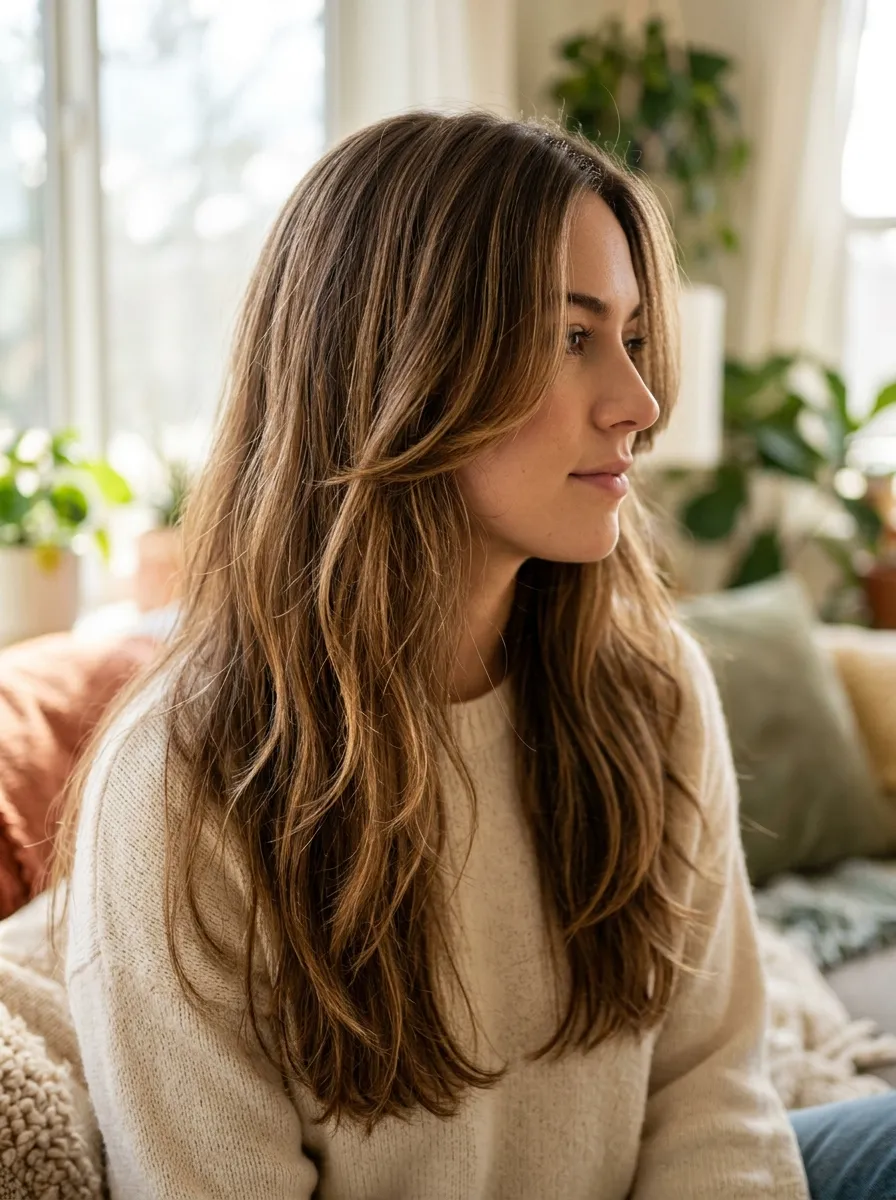
Shorter face framing pieces, sometimes just a few inches long, sit right at the cheekbone or jaw area. These pieces are shorter than typical curtain bangs and create instant width around the face. For thin hair, this shorter length adds visible body exactly where it is needed most. Ask your stylist to cut these pieces using a razor rather than scissors, since razor cuts leave softer, more textured ends. Style with a small curling iron, wrapping the short pieces around the barrel for a few seconds to create a slight curl toward the face. Budget tip: a mini curling iron made for bangs and face framing pieces is often cheaper than a full size iron and works just as well for this specific task. These shorter pieces also require less maintenance since they naturally blend as they grow out into longer curtain layers. This makes them a low commitment way to test out face framing layers before going for a more dramatic cut.
14. Root Lift Perm With Long Layers

A root lift perm targets only the roots, leaving the rest of your length untouched. This creates lasting volume at the scalp without changing the texture of your ends. Combined with butterfly layers, this perm style gives thin hair a fuller look that lasts through washes, unlike temporary styling methods. Ask your stylist about a light root perm specifically designed for volume rather than curl, since the goal here is lift, not texture throughout your length. This treatment usually needs to be repeated every few months as your hair grows out. Budget tip: ask your salon about root touch up pricing separately from a full perm service, since many salons charge less for root only treatments. This option works particularly well for anyone with naturally flat, fine hair who struggles to maintain volume through daily styling alone. Paired with long butterfly layers, a root lift perm offers one of the more permanent solutions on this list for consistent fullness.
15. Butterfly Cut With Babylights
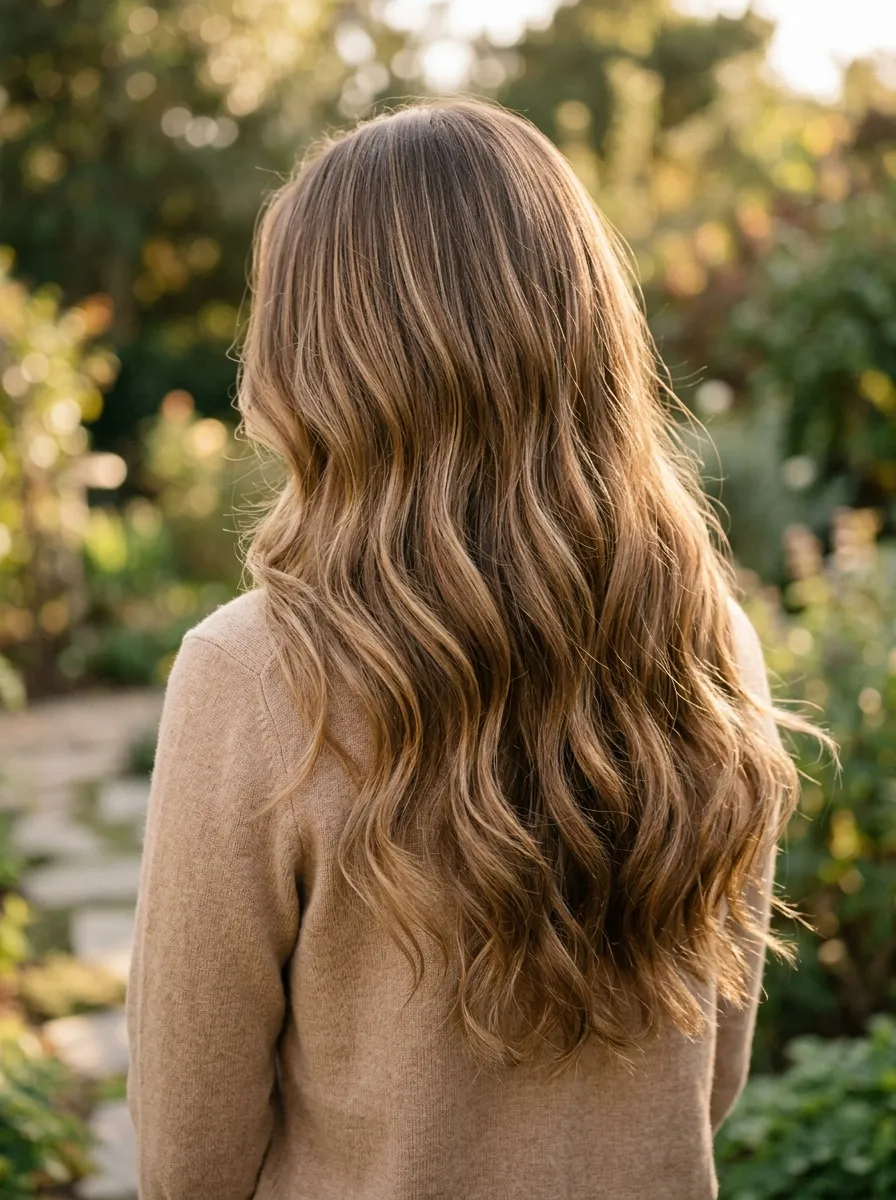
Babylights are extremely fine, subtle highlights placed throughout your hair, mimicking the natural lightness children often have. Unlike bold highlights, babylights are barely noticeable individually but add a soft dimension across your whole head. When paired with butterfly layers, this multi tonal effect adds a layered look even in the sections that were not physically layered by scissors. Ask your colorist for a low maintenance babylight service, since the subtlety of this technique often means fewer touch ups are needed. At home, use a hydrating hair mask weekly to keep the lightened strands from feeling dry or brittle. Budget tip: many drugstore hair masks work just as well as salon products for basic hydration needs. Babylights suit almost any base color and blend naturally with graying hair as well, making this a flexible long term color option. This subtle dimension adds visual fullness without requiring frequent salon visits, which helps keep overall hair maintenance costs manageable.
16. Textured Ends For Wavy Hair Types
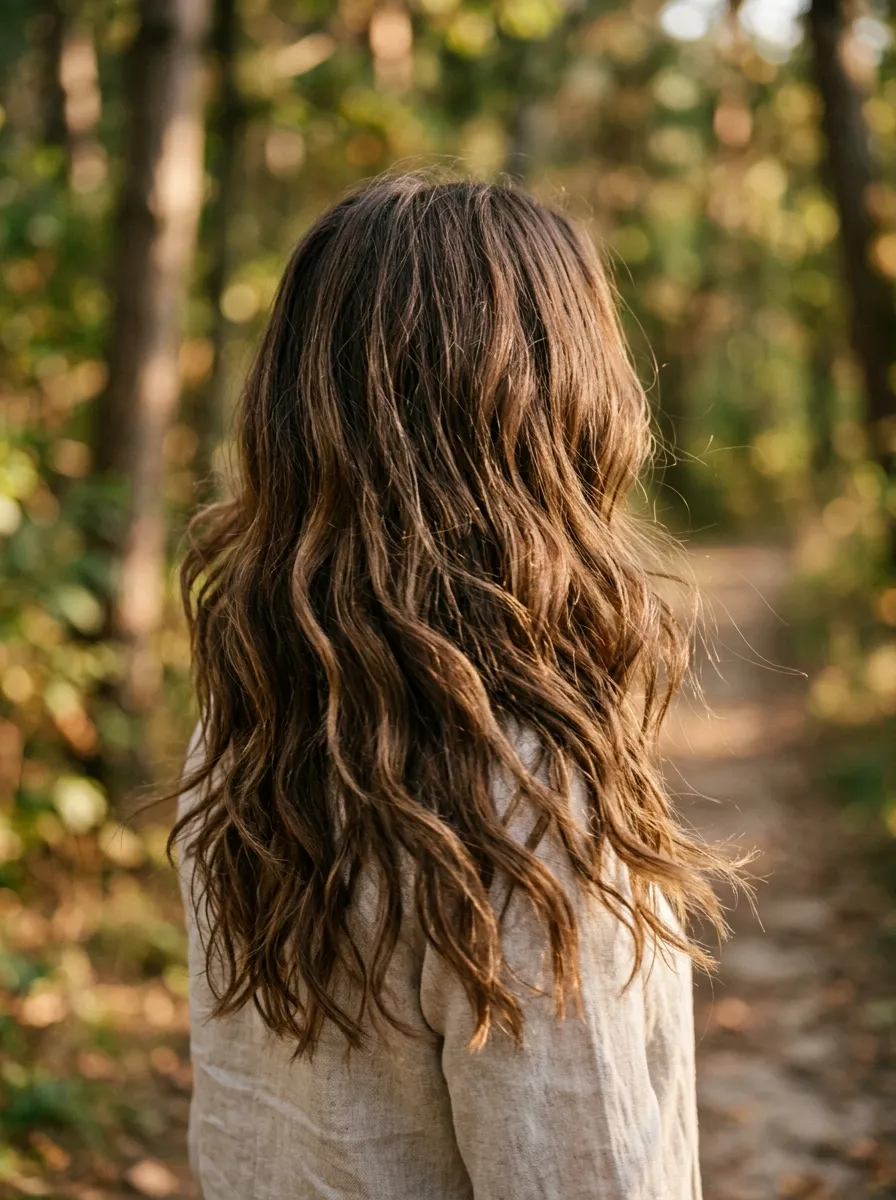
Naturally wavy hair benefits from textured ends that work with the hair’s existing pattern rather than against it. Ask your stylist to point cut or razor cut the ends of your butterfly layers to enhance natural waves instead of cutting them into a heavy, blunt line. This technique allows each wave to separate more clearly, creating a fuller look throughout your length. Style by scrunching a light curl cream into damp hair and allowing it to air dry, or use a diffuser to speed up the process. Budget tip: a basic curl cream from a drugstore often works better for wavy hair than heavier salon products, which can weigh down fine waves. Textured ends also reduce the appearance of frizz since the layers break up bulk rather than leaving it concentrated in one thick section. This approach is one of the easiest ways to work with your natural texture rather than fighting it, saving both time and money on daily styling.
17. Butterfly Layers With A Middle Part
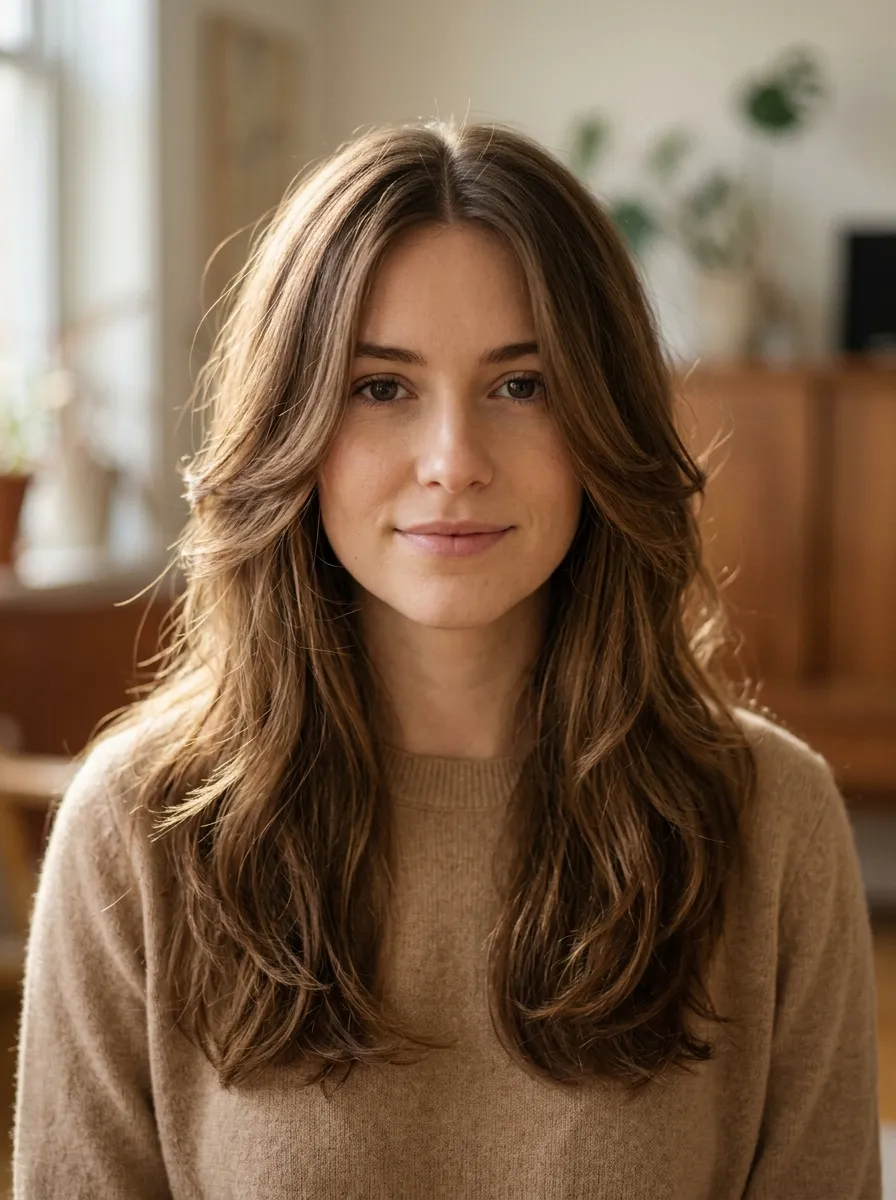
A middle part paired with butterfly layers creates a symmetrical frame around the face, which can make thin hair appear more balanced and full on both sides. This part style also allows face framing layers to fall evenly, rather than bunching to one side as they often do with a deep side part. Ask your stylist to check that your layers are cut evenly on both sides of center, since even small differences become noticeable with this part style. Style by blow drying each side away from your face slightly, adding a small curl at the ends to open up the shape. Budget tip: a two way styling brush can dry and shape hair at the same time, cutting down on the number of tools you need to buy. Middle parts also tend to require less daily maintenance than deep side parts, since hair naturally falls into place after washing. This makes it a practical, low effort option for anyone wanting a fuller look with less daily styling time.
18. Butterfly Cut With A Deep Side Part
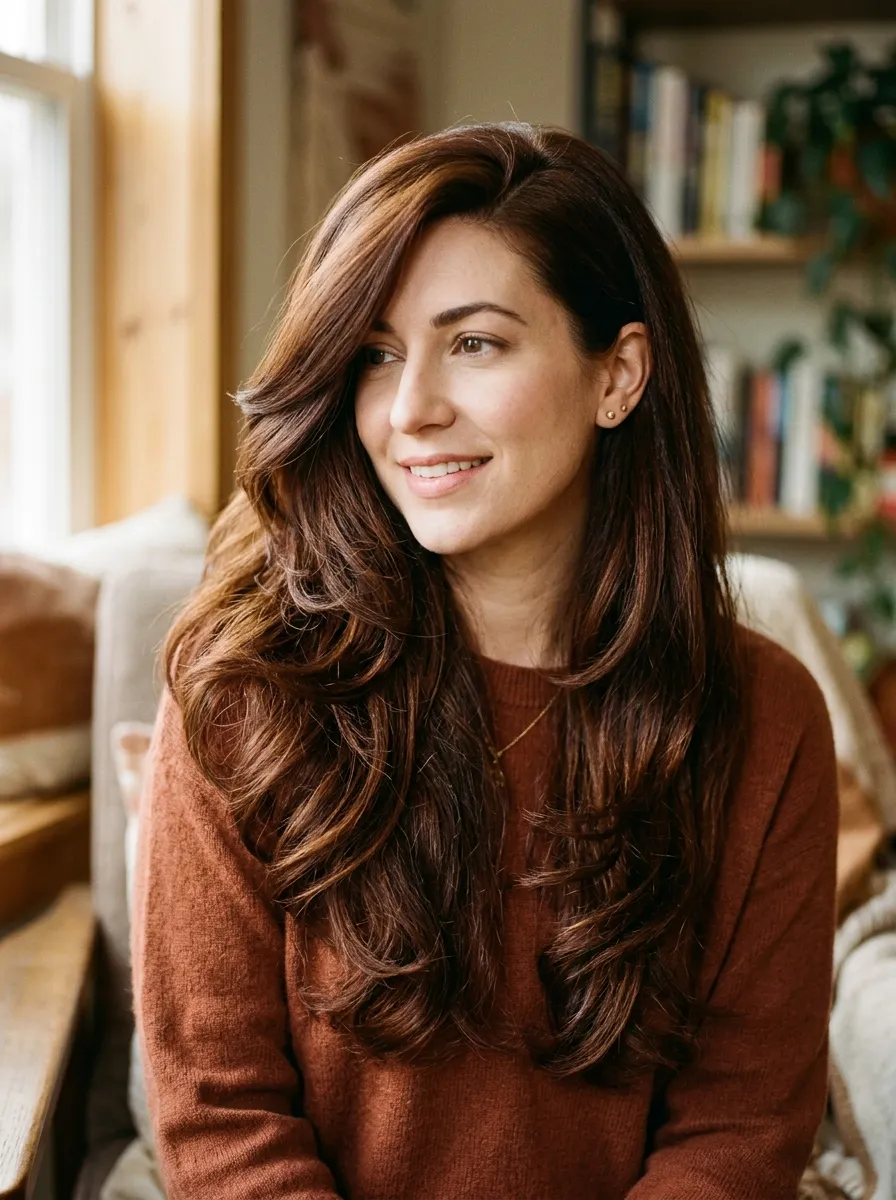
A deep side part shifts more hair to one side, creating extra volume and coverage over that section of your head. This works particularly well for anyone with a slightly thinner patch near their part line, since the deep angle covers more scalp than a middle or slight side part. Butterfly layers add movement to this fuller side, preventing it from looking like one heavy, flat section. Ask your stylist to cut your face framing layers with this deep part in mind, so they fall correctly once styled. Style by clipping the top section back while blow drying the roots for lift, then releasing it once dry. Budget tip: basic hair clips are inexpensive and reusable for years, making this a low cost styling tool worth keeping on hand. A deep side part paired with butterfly layers is one of the more effective combinations for anyone dealing with thinning around the part line specifically, since it naturally redirects visual attention and coverage.
19. Long Shag Inspired Butterfly Layers
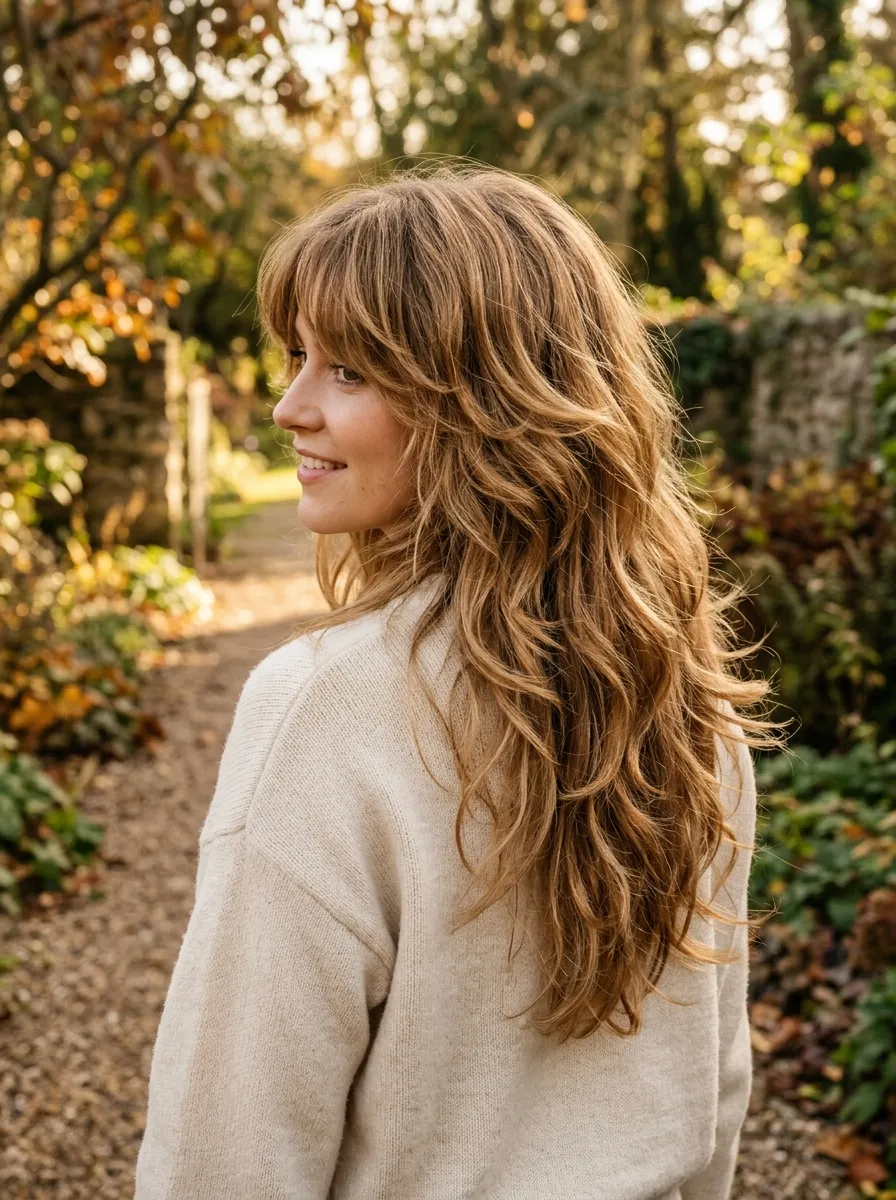
The long shag takes butterfly layering further by adding layers throughout the entire length, not just around the face and crown. This creates a fuller, more textured silhouette from root to tip. Thin hair benefits from this heavier layering because it breaks up long, flat sections that often look sparse. Ask your stylist for a shag inspired cut if you want more dramatic layering throughout rather than just at the top. Style with a texturizing spray applied to damp hair before blow drying with your fingers rather than a brush, which enhances the choppy, layered look. Budget tip: a basic texturizing spray lasts a long time since only a small amount is needed per use, making it a cost effective styling product. This style requires slightly more frequent trims to maintain its shape, but the added volume throughout the length makes it worth considering for anyone with consistently flat, fine hair rather than just thinning at the crown or face.
20. Butterfly Cut With Face Framing Balayage
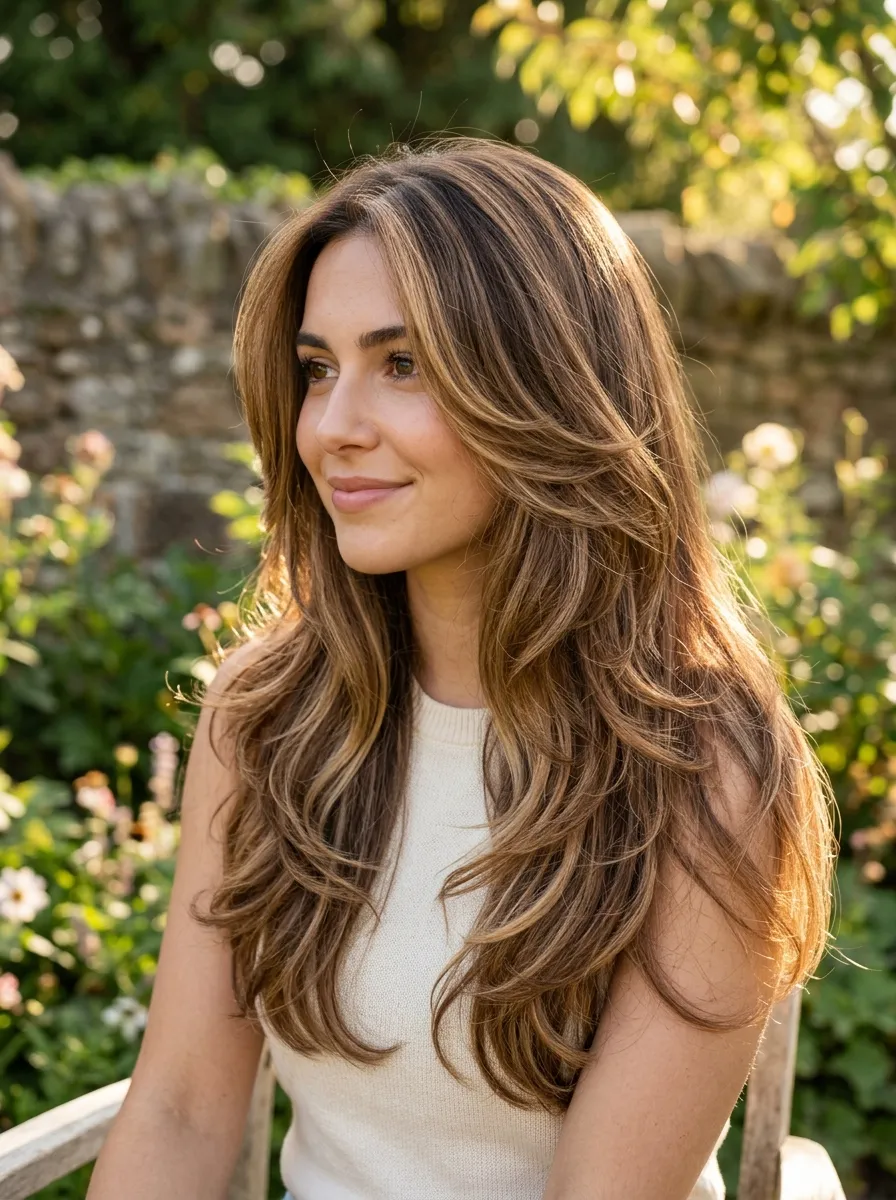
Combining face framing layers with a matching balayage placement doubles down on the fullness effect around your face. The lighter color draws the eye to the layered shape, making both elements work together rather than separately. Ask your colorist to place the lightest pieces of balayage directly within your face framing layers rather than throughout the whole head. This keeps the technique focused and often reduces the overall cost compared to a full balayage service. Style by curling these framing pieces slightly to show off both the color and the layer shape at the same time. Budget tip: requesting a partial balayage focused only on the face framing section is typically less expensive than a full head service, making it a smart option for anyone on a budget. This targeted approach gives you a noticeable change without a large investment, and it grows out gracefully since the color is concentrated in an area that is easy to touch up separately from the rest of your hair.
21. Choppy Butterfly Layers For Added Texture
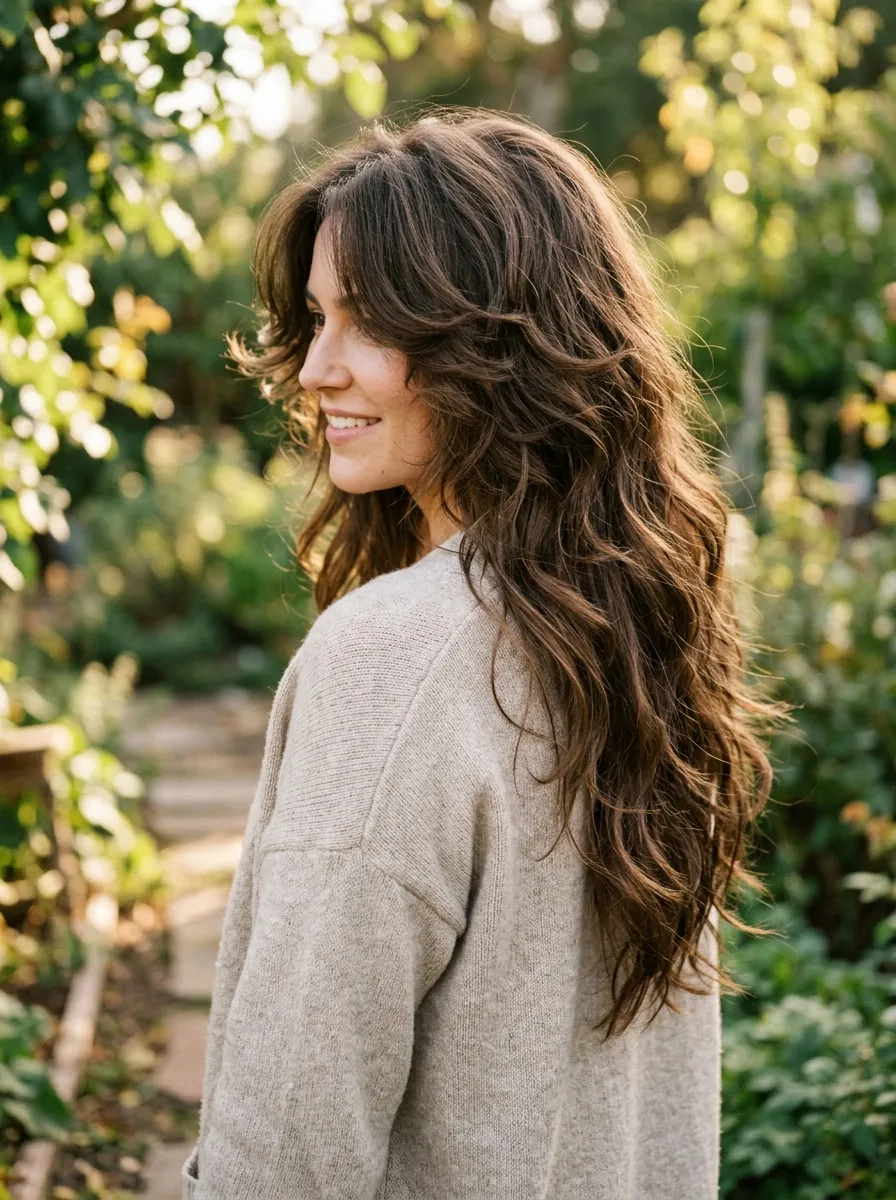
Choppy layers are cut with more texture and less blending than traditional butterfly layers, giving the hair a slightly undone, lived in appearance. This works well for thin hair because the choppiness creates visual breaks that mimic thickness. Ask your stylist to use a razor for a more textured, choppy finish rather than blunt scissor cuts throughout your layers. Style with a small amount of texturizing paste worked through dry hair with your fingers, focusing on the ends and layers rather than the roots. Budget tip: a small tin of texturizing paste lasts for months since only a pea sized amount is needed per use. Choppy layers also hide the appearance of split ends better than smooth, blended layers, which can help stretch out the time between trims. This look suits anyone who prefers a slightly edgier, low maintenance style over the softer, more polished versions of the butterfly cut described earlier in this list.
22. Butterfly Cut With Blow Dry Volume
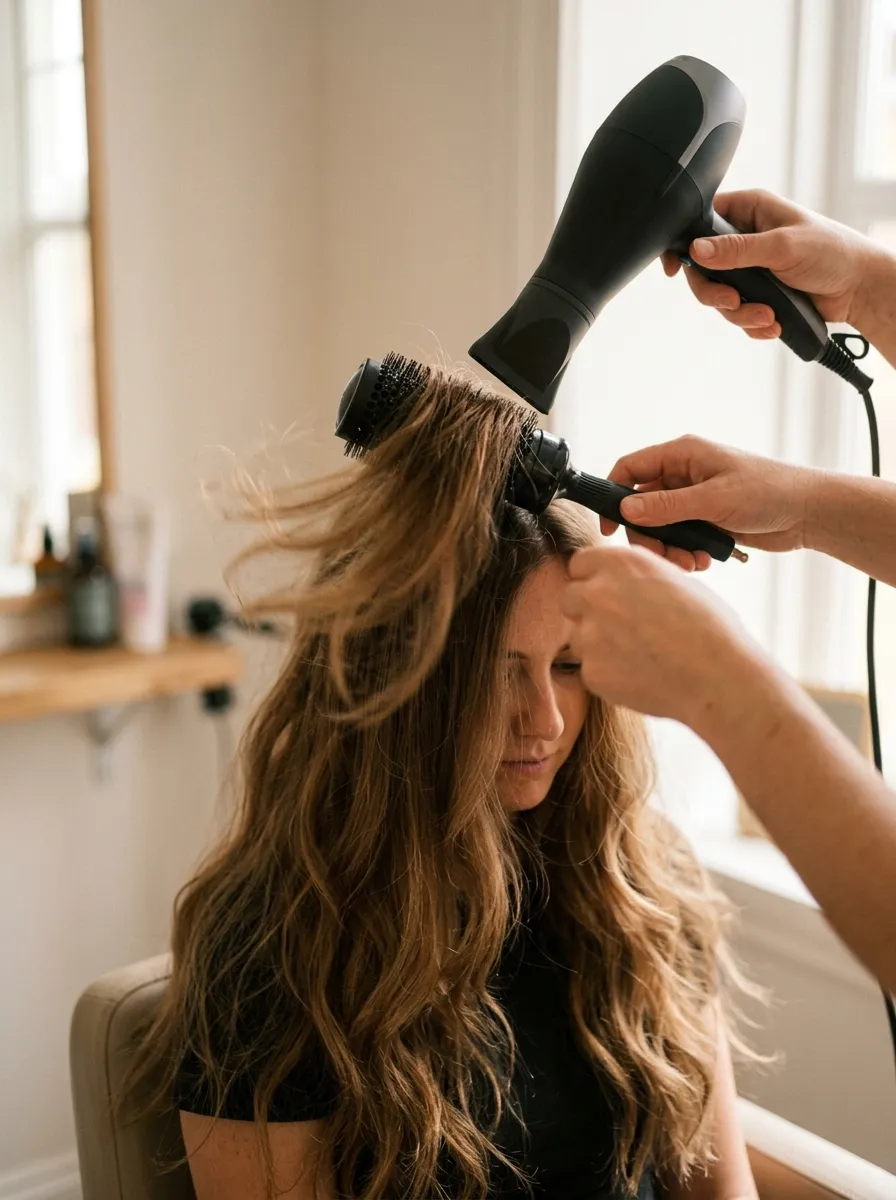
Your blow drying technique matters as much as the cut itself when it comes to making thin hair look fuller. Flip your head upside down while blow drying the roots to add natural lift before styling the rest of your layers. Use a round brush to smooth and shape your butterfly layers once the roots are mostly dry, focusing on rolling the brush away from your face for outward volume. Finish with a blast of cool air to set the shape and help it hold longer throughout the day. Budget tip: your hair dryer likely already has a cool shot button built in, so there is no need to buy any additional tools for this step. This technique takes only a few extra minutes but makes a visible difference in how full your butterfly layers appear once fully styled. Practicing this blow drying method consistently trains your hair to fall with more volume over time, even on days when you skip styling altogether.
23. Butterfly Layers With A Braided Crown
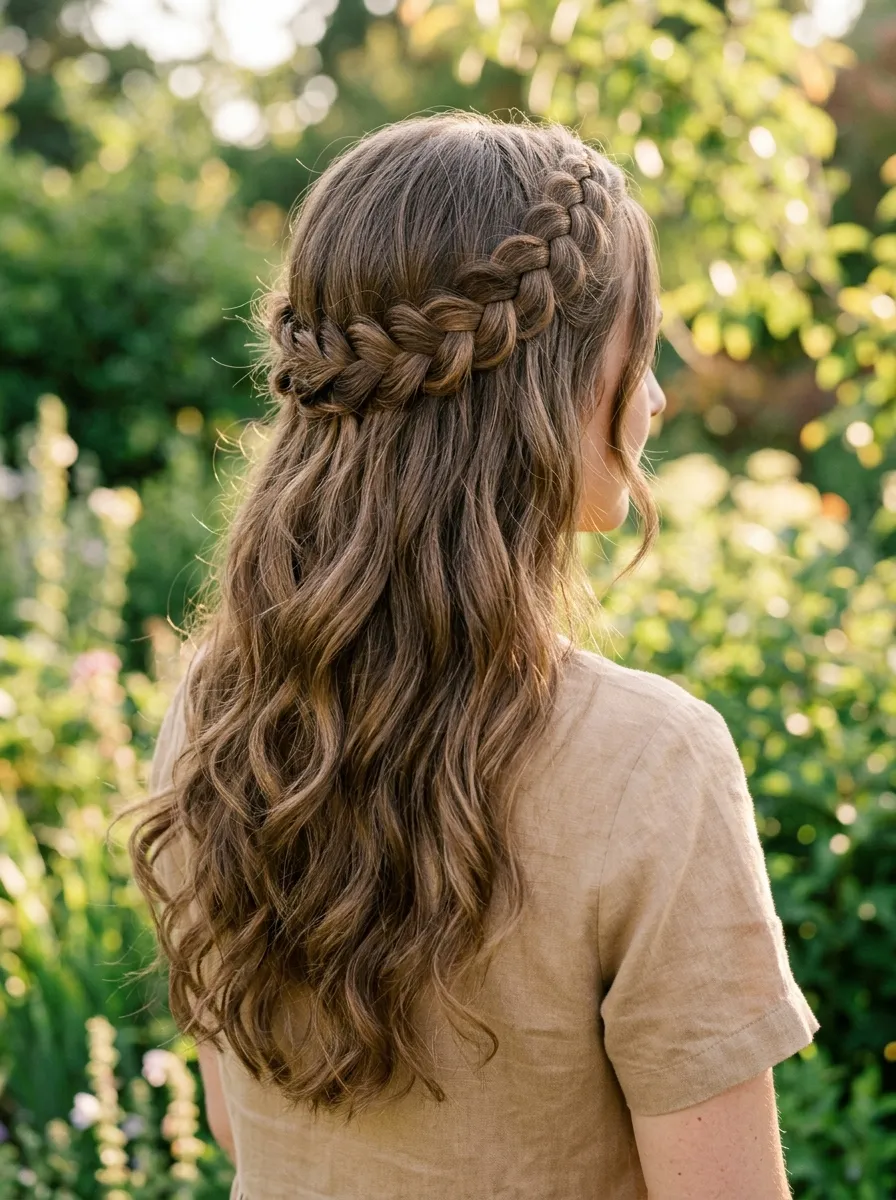
A small braid across the crown adds structure and the appearance of thickness right where thin hair often shows the scalp most. Leave the rest of your butterfly layers loose below the braid for a soft, romantic contrast. This style works well for second or third day hair, since a slightly textured, unwashed feel actually helps the braid hold its shape longer. Ask a friend or practice yourself using a simple three strand braid pulled slightly loose for a fuller, more relaxed look. Budget tip: this style requires no products or tools beyond a hair tie, making it one of the most affordable options on this list. A braided crown also works as a practical solution for hiding a slightly thinning part line on days when you want extra coverage without reaching for powders or sprays. This combination of structure at the top and movement below highlights the best qualities of the butterfly cut.
24. Butterfly Cut With A High Ponytail Twist

A high ponytail pulls most of your hair up while leaving your face framing butterfly layers loose around your cheeks. This contrast between the sleek pulled back section and the soft layers creates a fuller looking silhouette overall. Tease the base of the ponytail slightly before securing it for extra volume at the crown. Ask a friend to help backcomb this section if you are not used to teasing your own hair, since a light hand keeps the texture soft rather than damaged. Budget tip: a fine tooth comb for teasing costs very little and can be reused for other styles as well. Leaving out your butterfly layers at the front softens the overall look of a high ponytail, which can otherwise appear severe on thin hair. This style works well for workouts, warm weather, or busy mornings when you want your hair up but still want to show off the shape of your layers.
25. Butterfly Cut With Soft Bangs And Layers
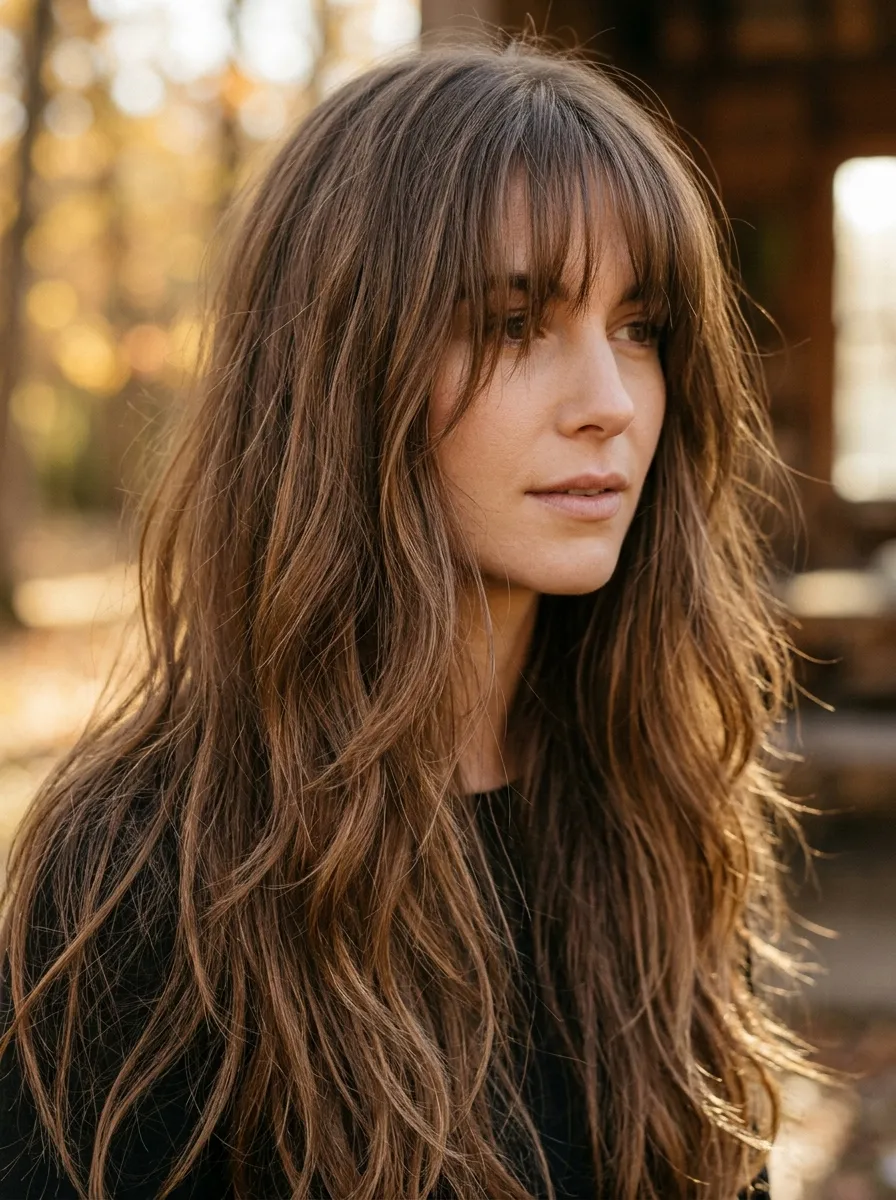
Soft, wispy bangs that are cut thin rather than full add a delicate frame around your face without adding bulk. This differs from a full fringe, since only a few pieces of hair are left shorter, blending gently into your longer butterfly layers. Ask your stylist to point cut these bang pieces at varying lengths for the softest possible finish. Style with a small round brush, curling the ends slightly inward or outward depending on your preference. A light hairspray keeps the shape in place without weighing the fine pieces down. Budget tip: a lightweight, flexible hold hairspray works better for this style than a strong hold formula, and often costs less as well. Soft bangs paired with butterfly layers give the appearance of more hair around the face specifically, which is often the area people notice first. This subtle addition requires very little daily maintenance once you get used to styling the shorter pieces each morning.
26. Butterfly Cut Styled With A Volumizing Mousse
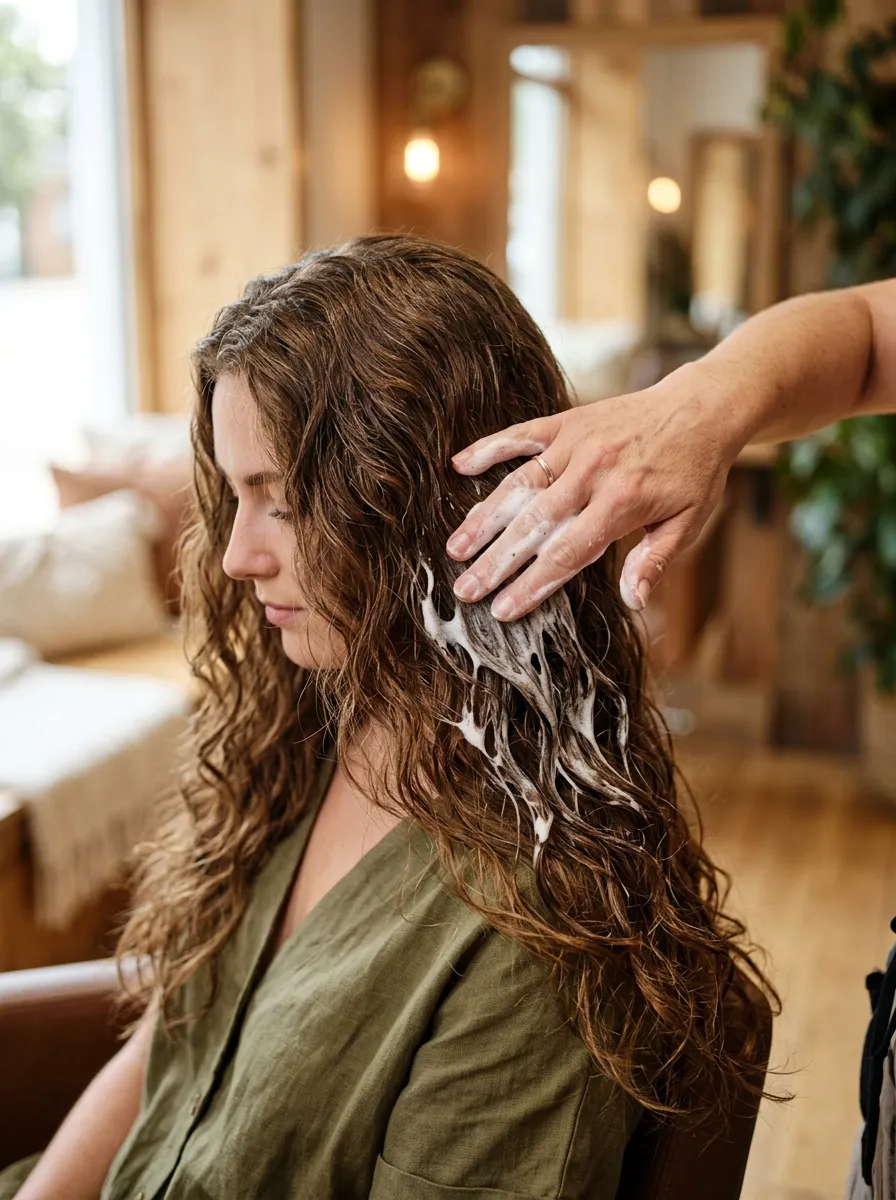
The right product can make a real difference in how full your butterfly layers look every single day. Apply a small amount of volumizing mousse to damp roots before blow drying, focusing on the areas where your layers begin. Avoid applying mousse to your ends, since this can weigh down the lighter, feathered sections of your cut. Scrunch the product in gently with your fingers rather than rubbing it through, which helps preserve natural texture. Budget tip: a single can of drugstore volumizing mousse often lasts several months with regular use, making it one of the more cost effective products on this list. Pairing this product with any of the styling techniques mentioned earlier, from root lift blow drying to braided crowns, gives your butterfly layers an extra push toward fullness. A good mousse routine is a simple, repeatable step that supports every other idea on this list without requiring a large investment in new products or tools.
Conclusion
Thin hair does not limit your styling choices as much as it might feel like some days. The butterfly cut gives you a flexible base to work with, whether you want soft face framing pieces, bold color placement, or simple styling adjustments using tools you already own. Start with one or two ideas from this list, like root lift blow drying or a small money piece highlight, and build from there as you get comfortable. Small, consistent changes add up to a long term difference in how full and healthy your hair looks and feels.