
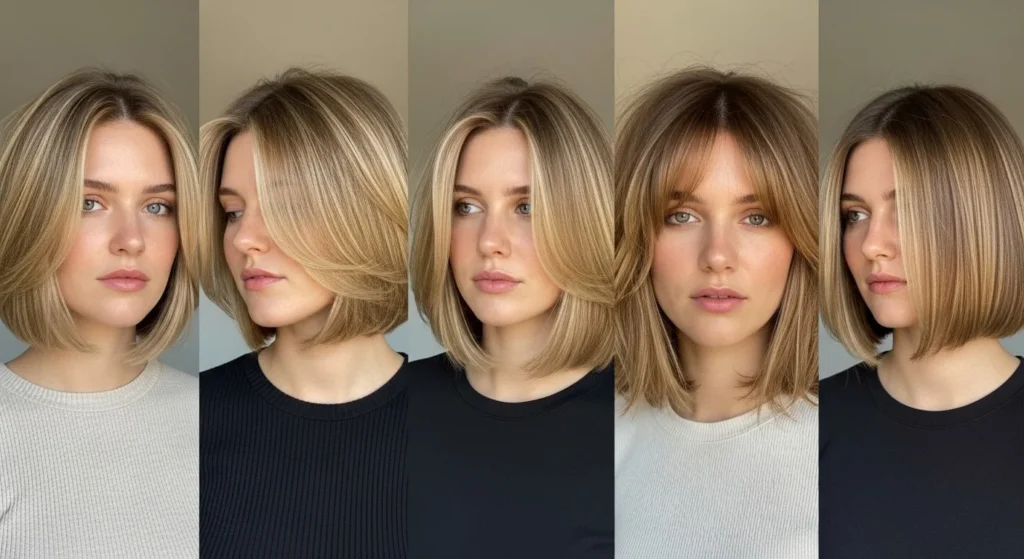

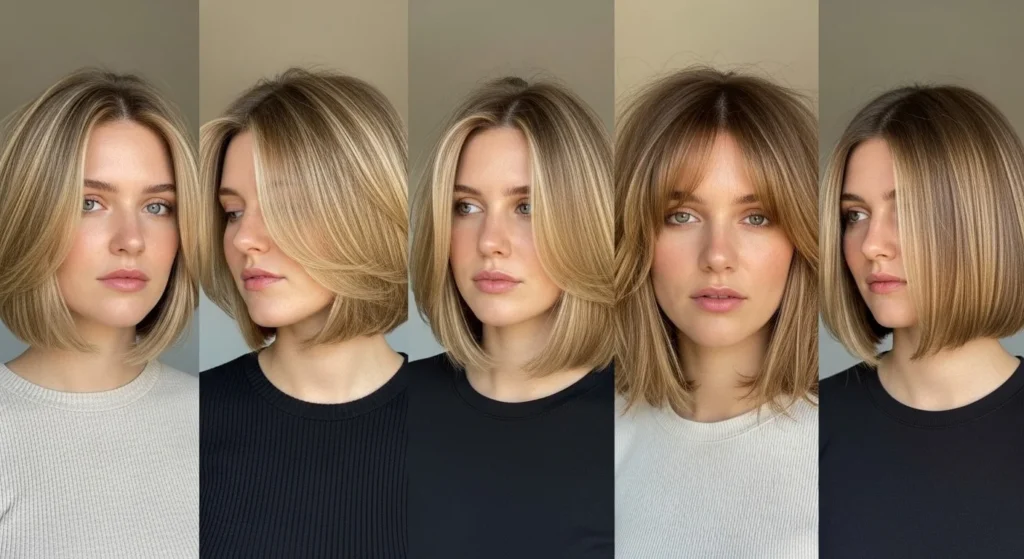
Fine hair often falls flat, making everyday styling feel frustrating. Bob hairstyles solve that problem when shaped with the right length, structure, and movement. Small changes like layered ends, side parts, and smart cutting angles can make hair appear thicker without extra products or salon visits. Below are bob styles designed to help fine hair appear fuller using simple, affordable styling habits you can manage at home.
1. Blunt Bob with Slight Bend
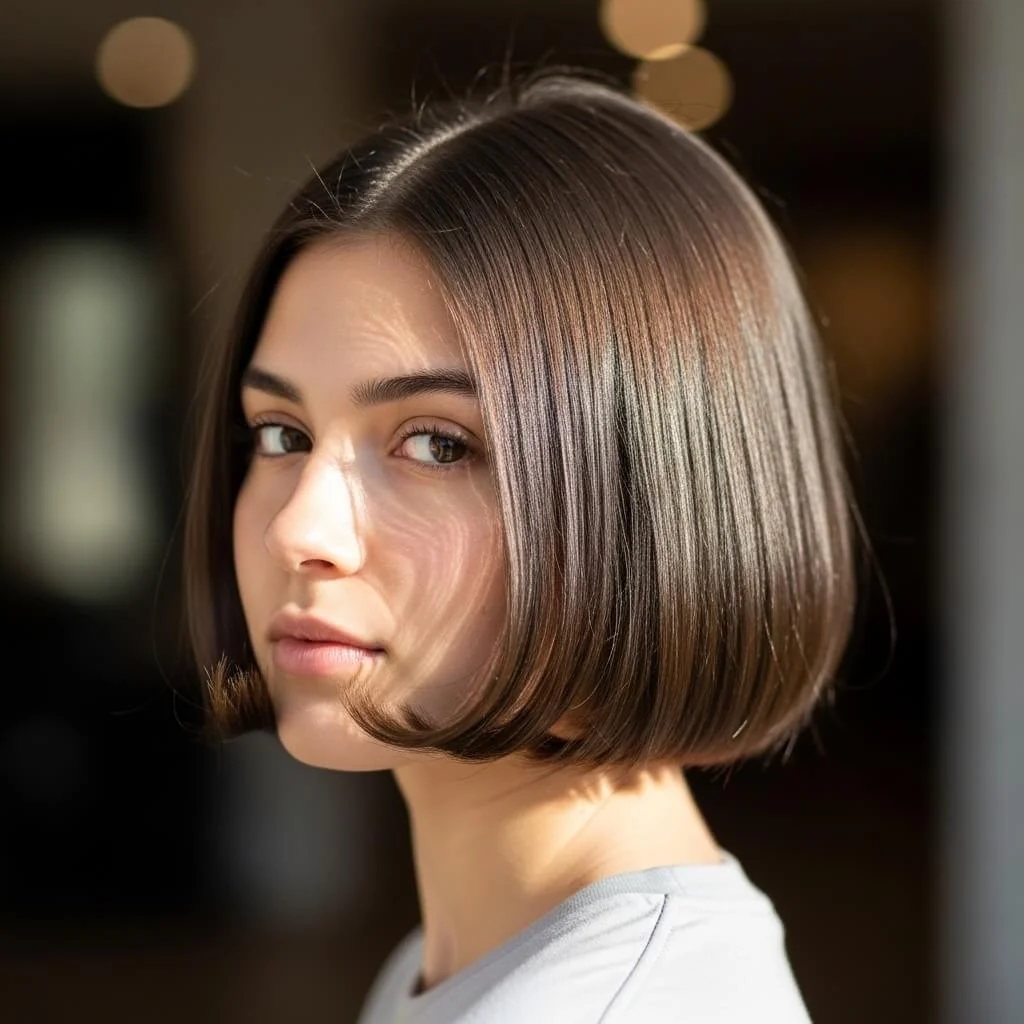
A blunt bob creates instant thickness by keeping the ends solid and even. The slight bend at the bottom prevents hair from hanging straight down, which often makes fine hair look flat. This style works best at chin or jaw length.
To style, use a flat iron only on the last inch of hair. Turn the iron inward just once. Avoid curling the full length. That keeps hair looking dense. If you prefer no heat, roll damp ends inward and let them air-dry.
This cut holds shape well, so trims can be spaced out. Skip heavy conditioners near the roots. Apply a small amount only to the tips. This keeps the body visible all day without expensive styling products.
2. Bob with Light Interior Layers
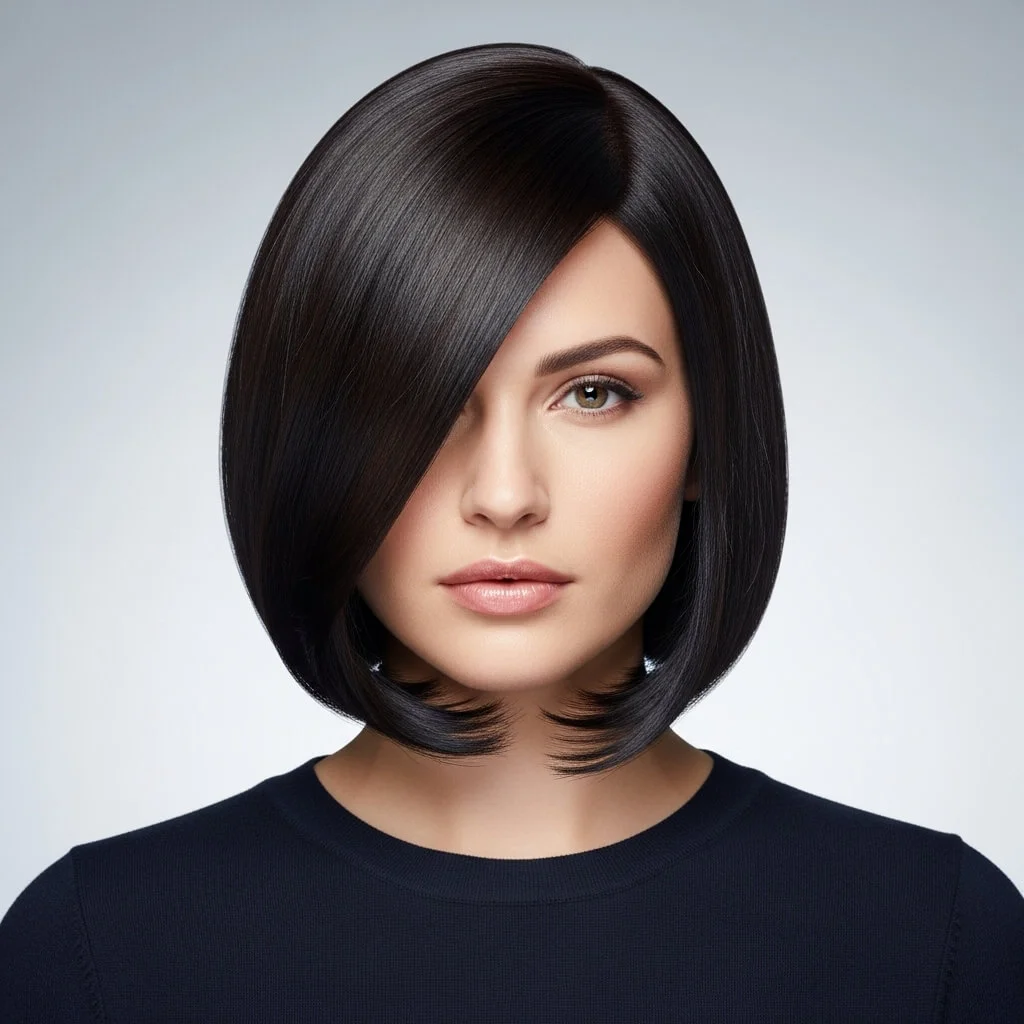
Interior layers remove weight from inside the haircut while keeping the outside shape full. From the front, hair looks thick and solid. Inside, it moves more freely.
Styling is easy. Blow-dry upside down using fingers. Flip hair back and smooth only the top layer. This creates natural lift without teasing.
This bob suits daily routines and grows out evenly. It works well if your hair tangles easily or falls flat after washing. You get shape without visible layering lines, which helps fine hair look fuller with minimal effort.
3. Short Bob with Side Part
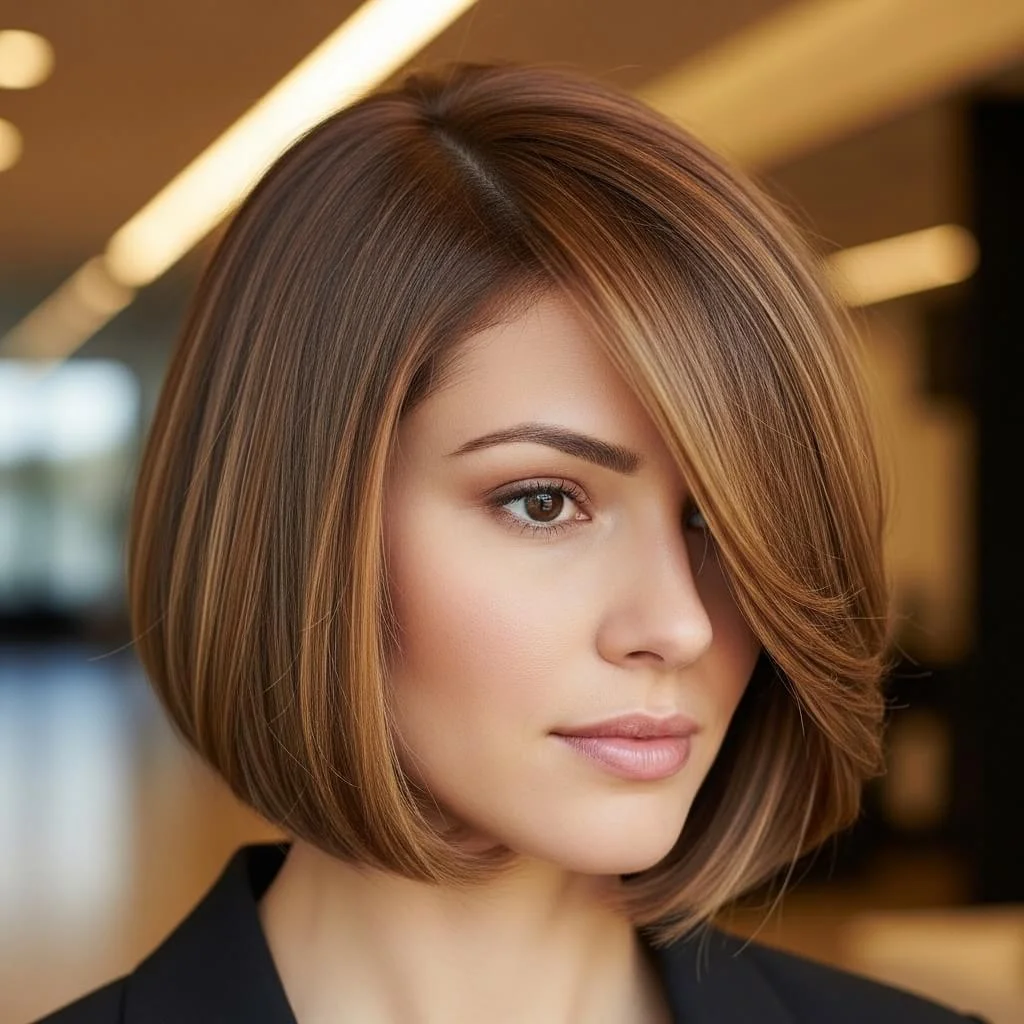
A side part shifts hair weight to one side, making hair appear denser instantly. Short bobs work especially well because less length means less pull downward.
Create the part while hair is damp. Dry in the opposite direction, then flip it back. This adds natural lift without tools. A light styling cream at the roots helps keep separation.
This look works for busy mornings. You can refresh it by changing the part slightly each day. That simple trick keeps fine hair from settling flat over time.
4. Bob with Rounded Ends
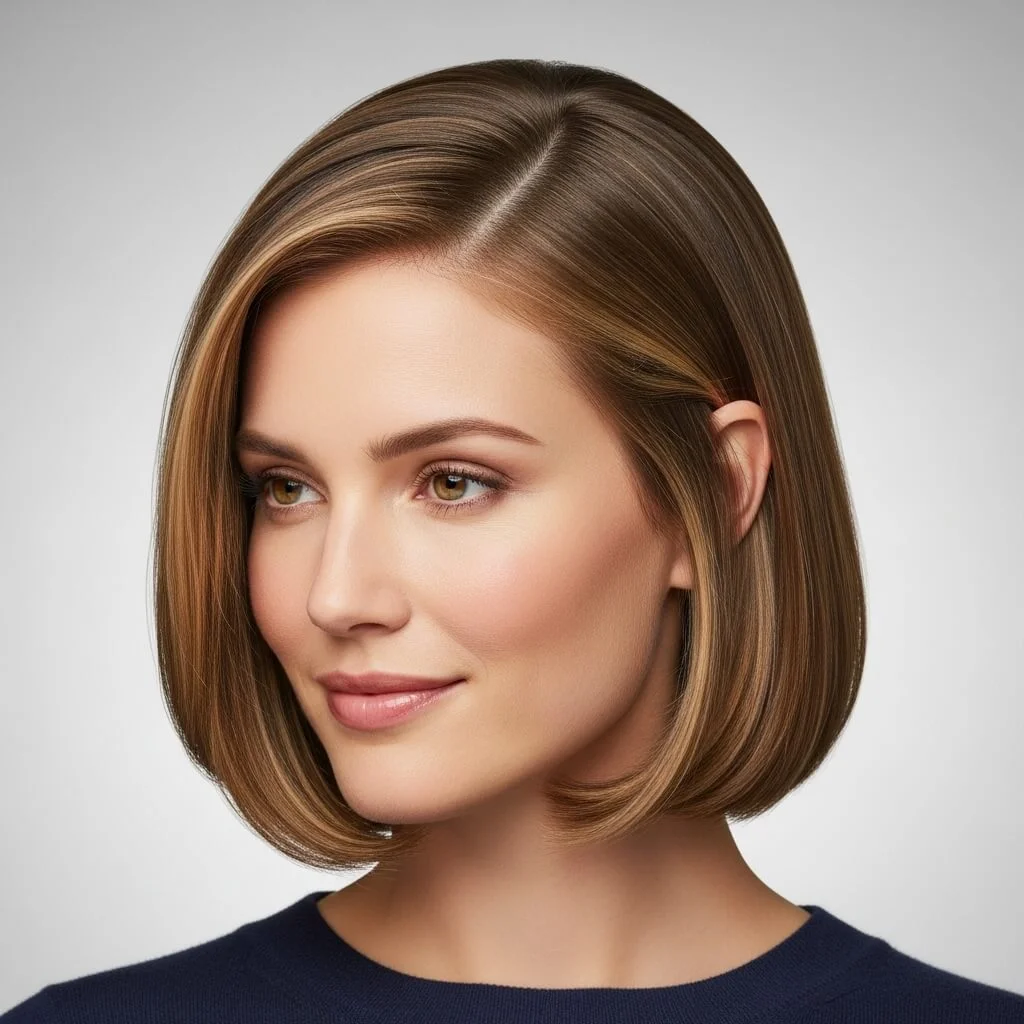
Rounded ends prevent fine hair from looking wispy. The curve gives the illusion of thickness at the bottom, where fine hair usually looks weakest.
Use a round brush and blow-dryer to roll ends under. Focus only on the bottom section. Leave the top smooth and natural. Avoid flat ironing the ends straight.
This style works well for office wear and casual looks. It stays neat longer and hides uneven growth, which helps reduce frequent salon visits.
5. Bob with Soft Side Layers

Side layers add fullness where fine hair often lacks shape. By keeping layers away from the crown, the haircut avoids a flat top.
Style by lifting side sections while drying. Use fingers instead of brushes for a relaxed result. A pea-sized amount of mousse helps keep movement without stiffness.
This bob fits everyday life well. It holds shape even on second-day hair and works without expensive tools or styling routines.
6. Bob with Tucked-Under Ends
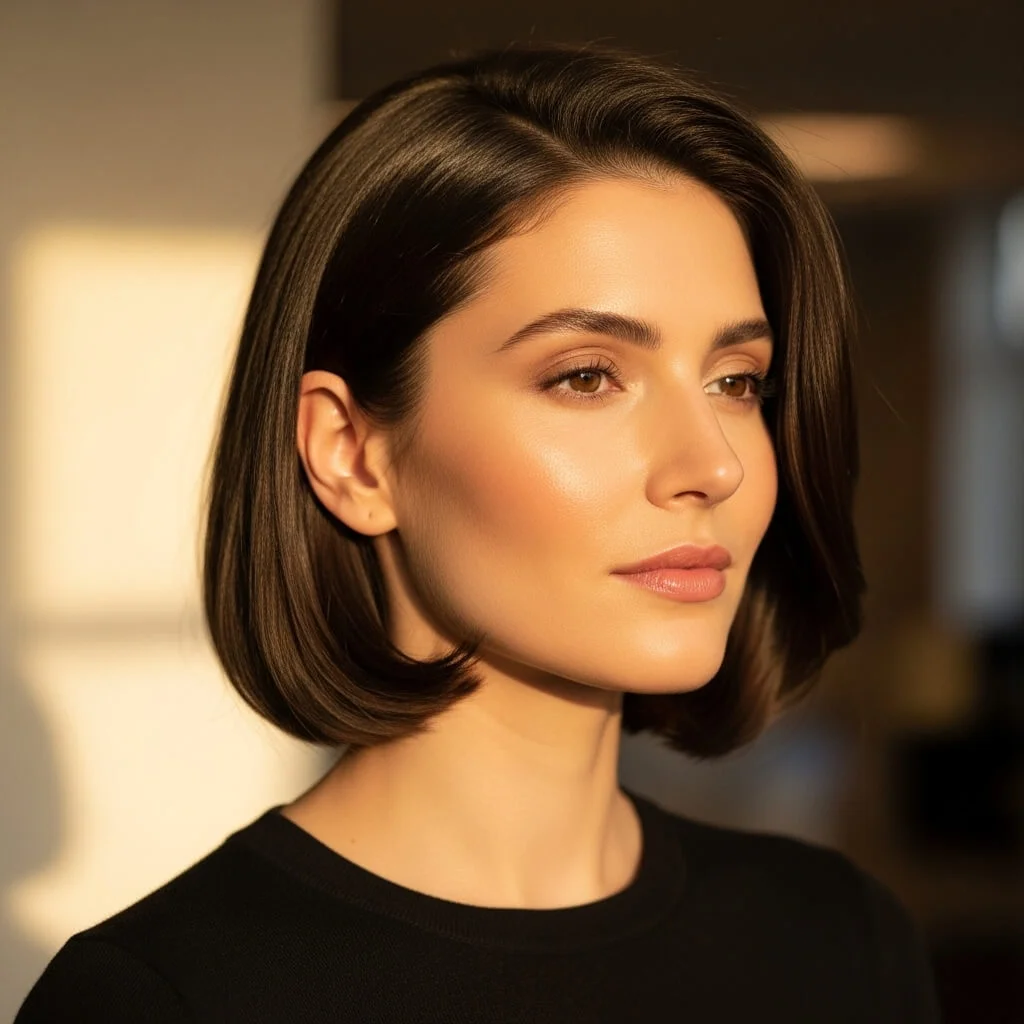
Tucked-under ends help fine hair appear thicker at the bottom. Instead of letting strands fall straight, the inward curve creates a compact shape that looks fuller. This style works best at chin length, where the curve sits close to the face.
For home styling, use a round brush and roll only the last inch inward while blow-drying. No heat tools are required beyond that. If you prefer air-drying, clip the ends inward while hair is damp and remove clips once dry.
This bob stays neat throughout the day and resists frizz. It pairs well with simple outfits and minimal styling products. Since the shape hides uneven growth, you can stretch time between trims and keep maintenance costs low.
7. Bob with Slight Stacking at the Back
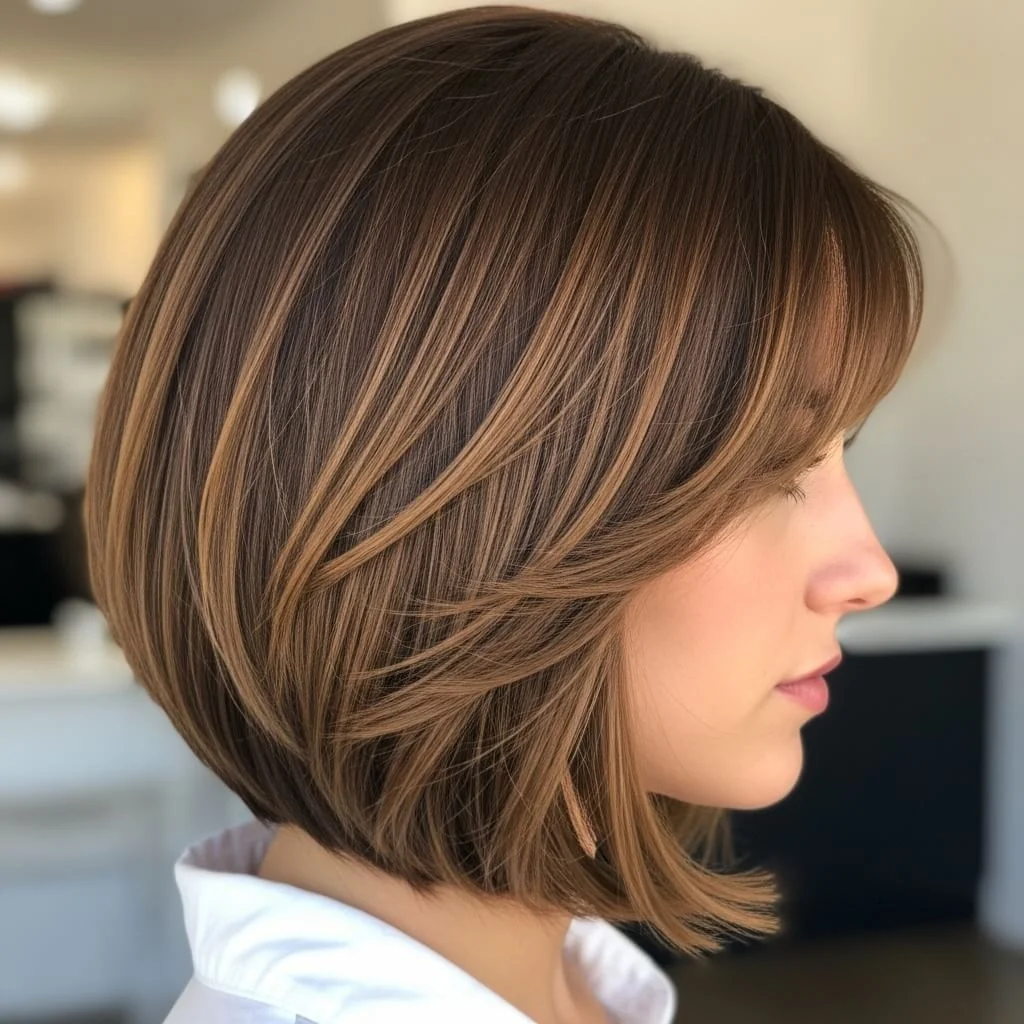
Stacking at the back adds shape where fine hair often looks flat. The subtle layers lift the rear while keeping the front smooth and clean. From the side, hair appears thicker without looking overstyled.
To style, blow-dry the back first while lifting sections upward with a brush. Let the front dry naturally. This creates contrast and body without teasing. A light styling lotion helps hold the shape.
This cut works well for everyday wear. It keeps structure even on low-effort days and grows out evenly, making it a practical choice for fine hair routines.
8. Bob with Airy Texture

Airy texture keeps fine hair from clumping together. Instead of heavy layers, this bob uses light separation that adds movement and dimension. The result looks fuller without stiffness.
Style by scrunching a small amount of cream into damp hair and letting it air-dry. If using heat, twist random sections briefly with a curling iron. Avoid brushing once dry.
This style suits relaxed schedules and casual settings. It works especially well for fine hair that loses shape quickly. The texture hides flat areas and makes second-day hair easier to manage.
9. Bob with Shorter Front Length
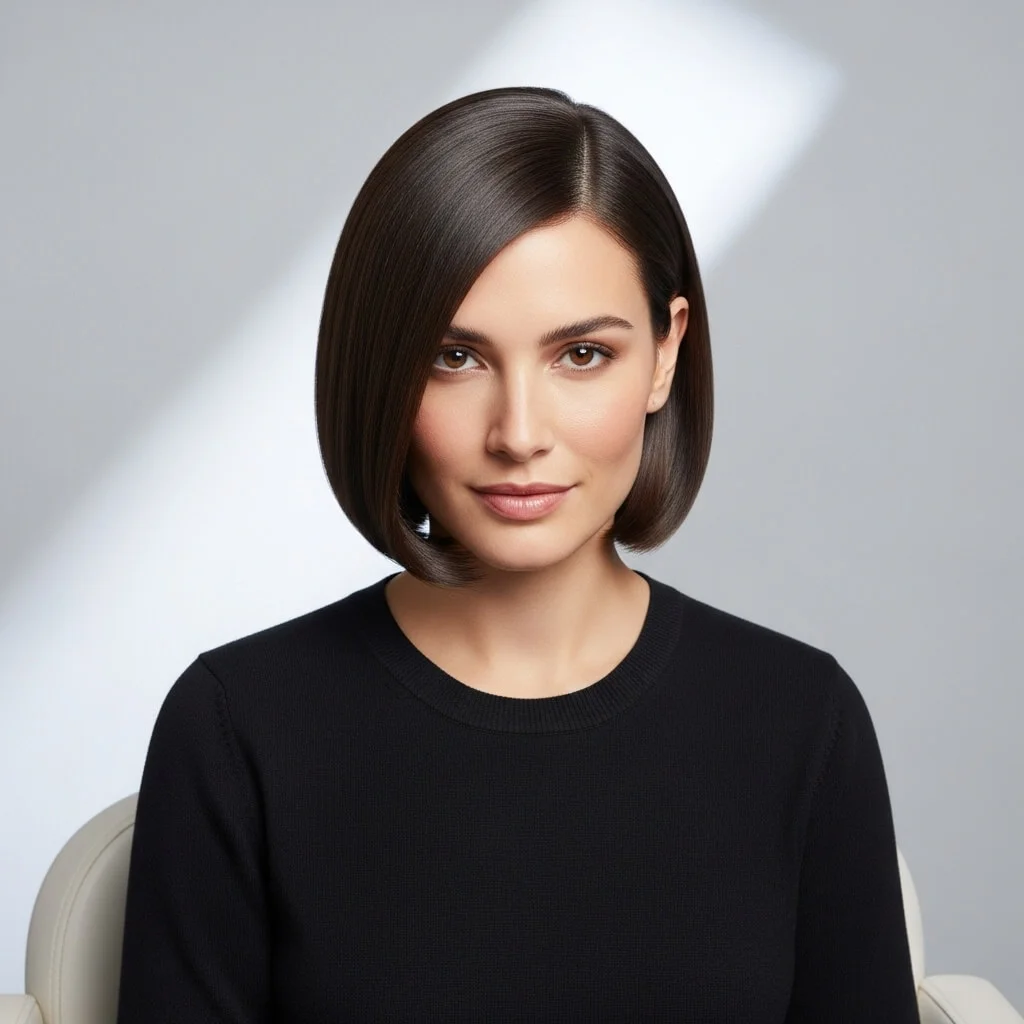
A slightly shorter front creates visual density near the face. Fine hair often looks thinner around the cheeks, so this adjustment helps balance the shape.
Styling stays easy. Blow-dry forward using fingers, then smooth lightly with a brush. Avoid heavy products near the front. A light serum on the tips keeps strands controlled.
This bob fits daily routines well. It frames the face neatly and holds form throughout the day. The shape remains flattering as hair grows, which helps reduce frequent trims.
10. Bob with Soft Root Lift
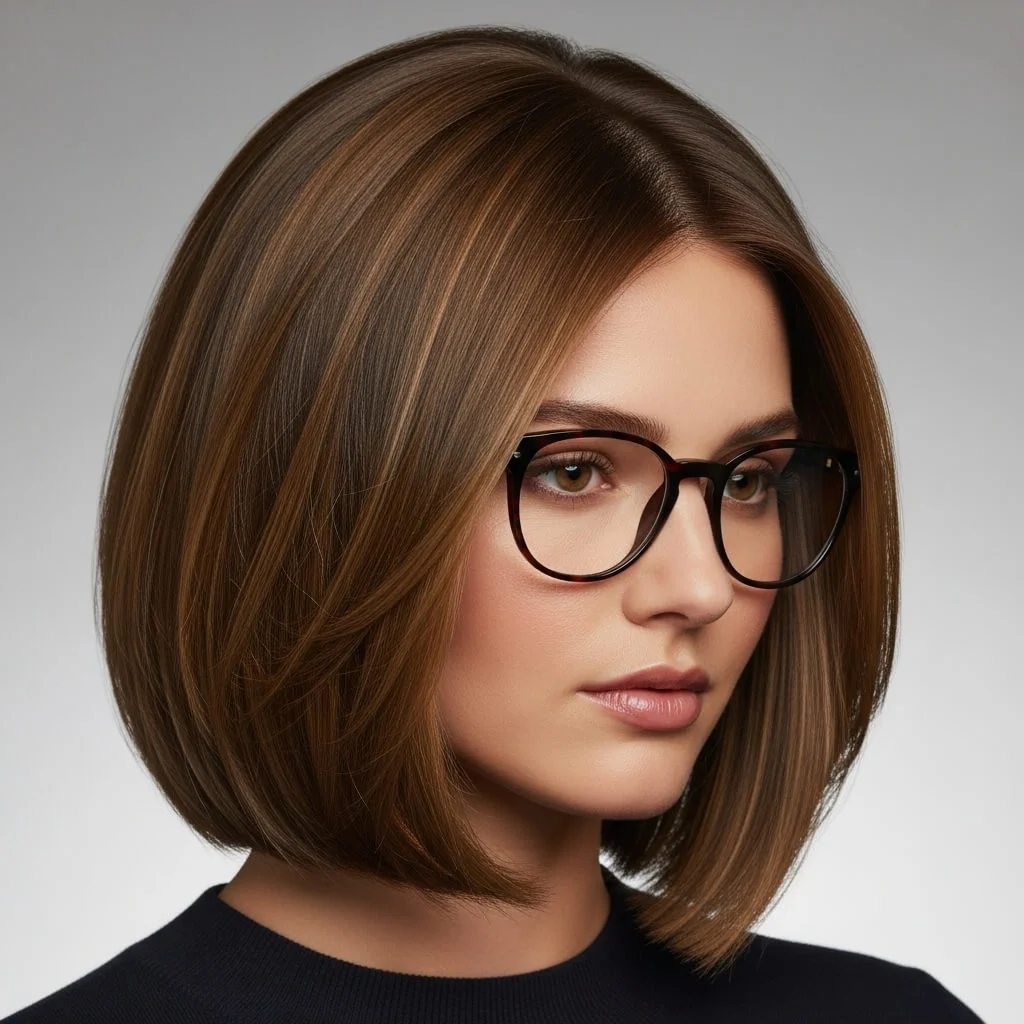
Soft root lift makes fine hair appear thicker without teasing. The key is a gentle height near the scalp while keeping lengths smooth.
Create lift by drying hair in sections, lifting each section upward with fingers. Switch the part while drying, then settle it back once dry. A small amount of lightweight mousse helps maintain shape.
This style works for workdays and casual plans. It stays polished without constant touch-ups and fits a budget-friendly routine using simple tools.
11. Bob with Center Part and Side Body
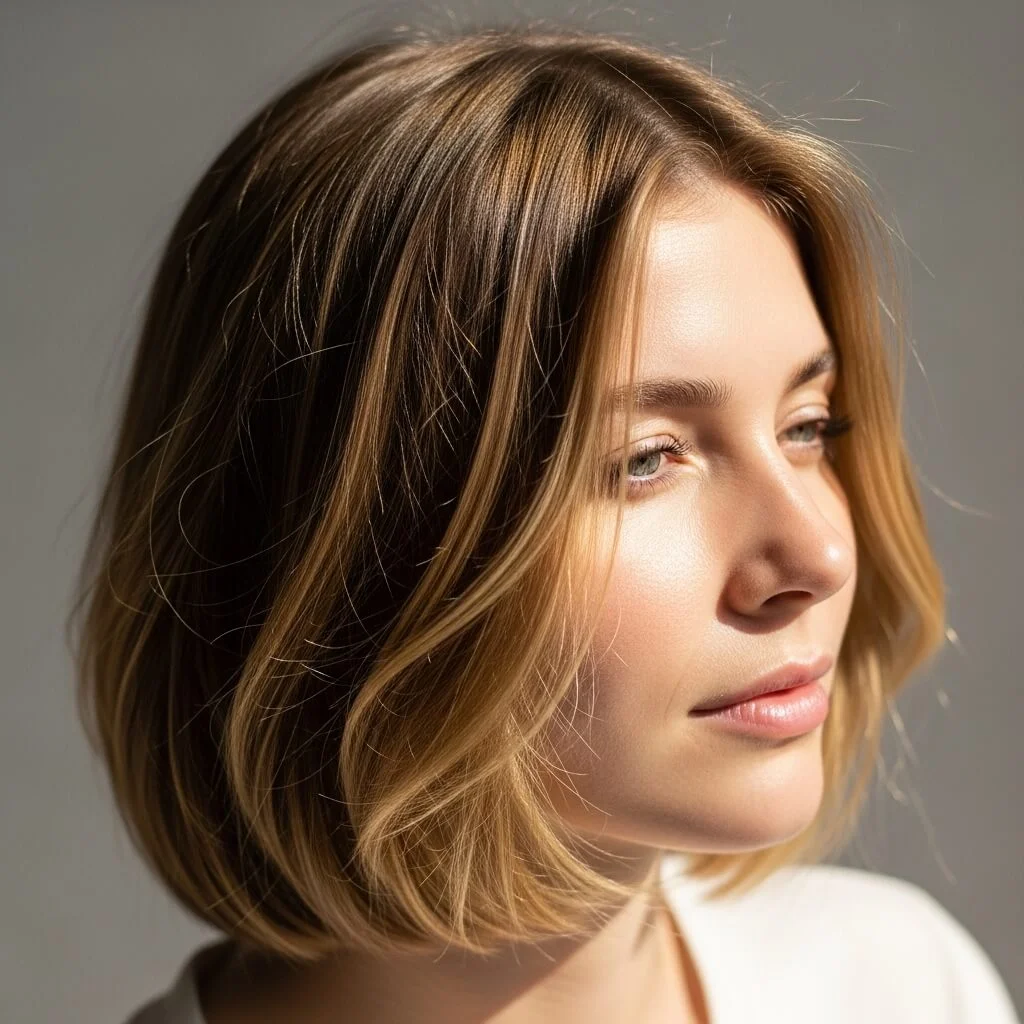
A center part can work for fine hair when the sides carry shape. This bob keeps the middle calm while adding fullness near the cheeks. That balance helps hair appear thicker without heavy styling.
To style, part hair while damp. Blow-dry the sides outward using fingers. Let the top dry naturally. This prevents flatness near the scalp. A lightweight cream helps keep separation without weighing hair down.
This style suits everyday routines and casual outfits. It also works well for second-day hair since side body stays visible even as volume settles.
12. Bob with Layered Crown Only
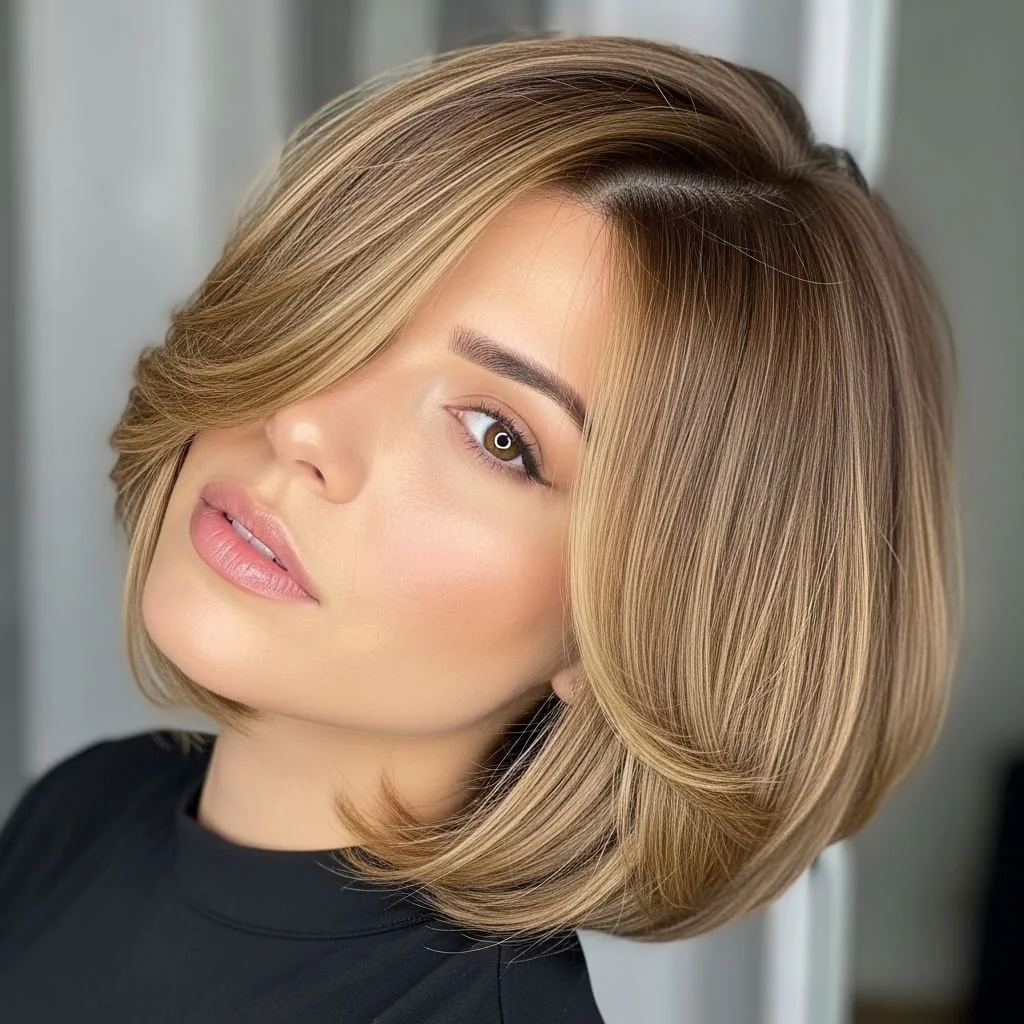
Crown-only layers add height where fine hair often collapses. The rest of the bob stays clean and solid, which keeps the ends looking thick.
Style by lifting the crown while blow-drying. Use a small round brush or fingers. Avoid brushing through the sides too much. A light hold spray keeps the top from falling flat.
This bob fits busy schedules. It looks styled with minimal effort and grows out smoothly, helping reduce salon visits.
13. Bob with Wispy Side Fringe
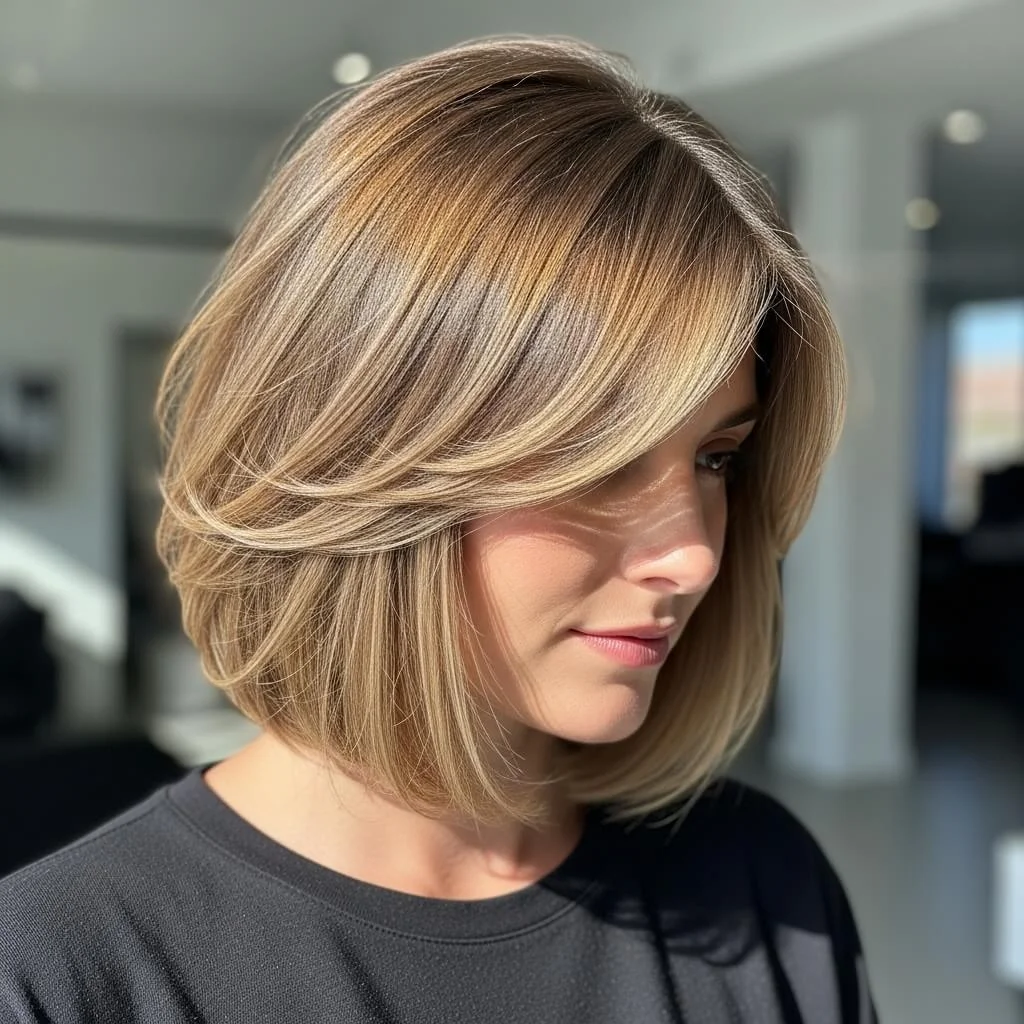
A wispy side fringe adds shape near the face without removing density. It breaks up flat areas and gives fine hair a fuller appearance around the cheeks.
Dry the fringe using a flat brush, sweeping it sideways. No heat tools needed beyond a dryer. Keep product use light to avoid separation.
This style works well for daily wear. The fringe blends easily as it grows, making it easy to manage between trims.
14. Bob with Jaw-Length Cut
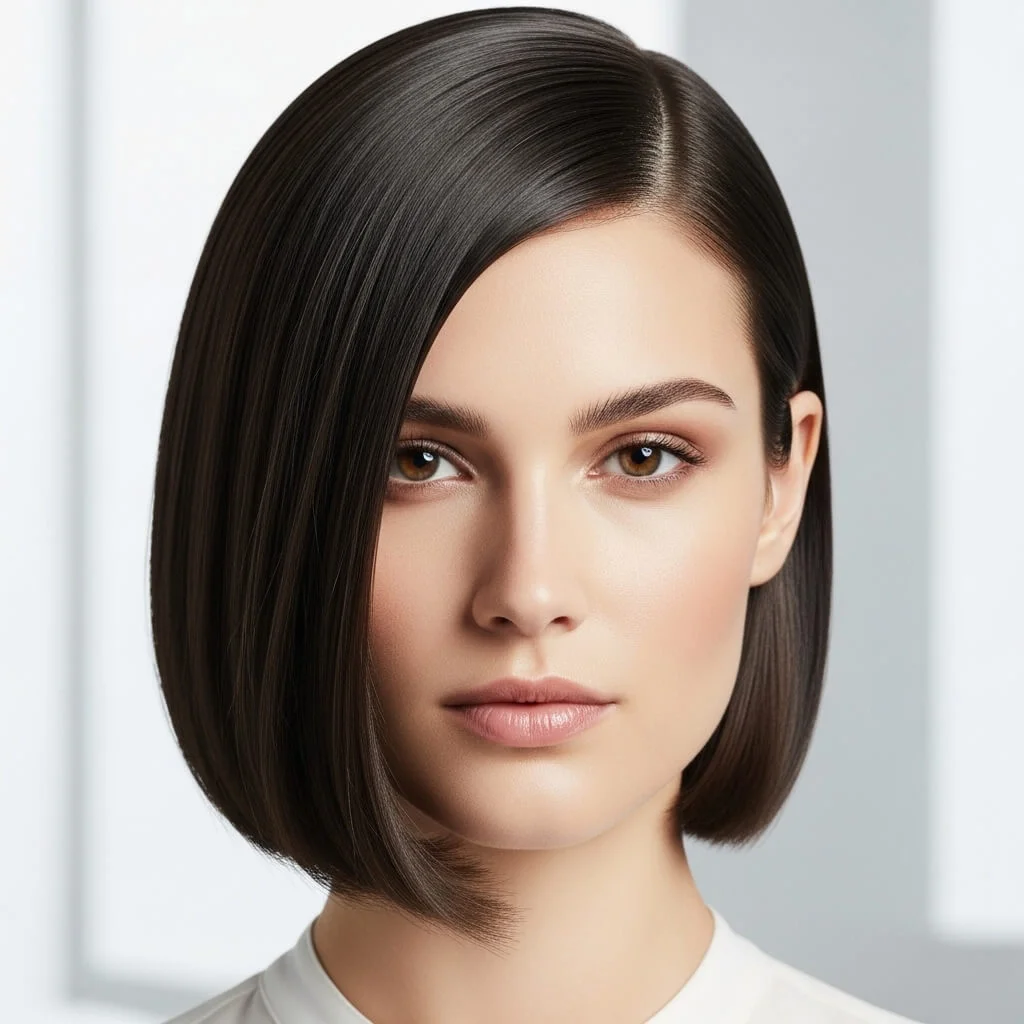
Jaw-length bobs reduce downward pull, which helps fine hair appear thicker. The shorter length keeps strands lifted and compact.
Style by blow-drying straight down with a paddle brush. Tuck ends slightly inward for a neat shape. Avoid heavy oils near the roots.
This cut fits professional and casual settings. It holds shape throughout the day and stays easy to maintain at home.
15. Bob with Soft Outward Flip
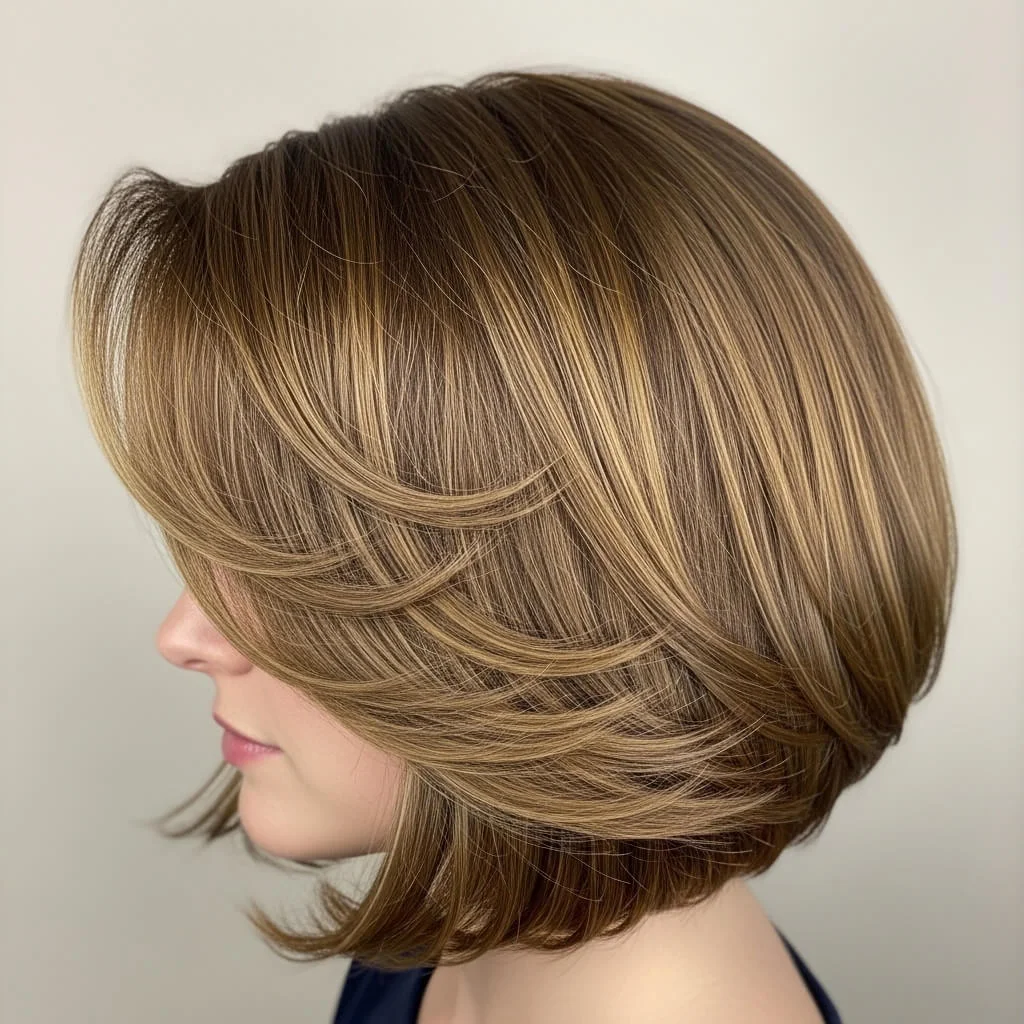
A soft outward flip adds width at the bottom of the haircut. This prevents fine hair from clinging to the neck and looking flat.
Create the flip by turning a round brush outward at the ends while blow-drying. Keep the rest smooth. A small amount of styling cream helps hold the shape.
This look adds movement without extra tools. It works well for casual days and stays affordable to maintain.
16. Bob with Light Razor Texture

Light razor texture creates soft separation at the ends without thinning the haircut too much. For fine hair, this keeps the shape relaxed while still holding fullness. The ends move slightly instead of falling flat, which helps the bob look thicker through the bottom.
For styling, keep things simple. Apply a pea-sized amount of lightweight cream to damp hair. Blow-dry using fingers rather than a brush. This keeps texture visible. Avoid over-smoothing the ends. That removes the effect.
At home, skip heavy conditioners near the roots. Focus care from mid-length downward. This bob grows out evenly and stays forgiving between trims, making it friendly for low-maintenance routines.
17. Bob with Side Volume Focus

This bob places fullness along the sides instead of the top. That approach works well when fine hair looks flat near the temples. Extra width near the cheeks gives the haircut a fuller outline.
To style, part hair slightly off-center. Blow-dry the sides outward using a round brush for just a minute or two. Let the rest air-dry. This saves time and avoids overworking fine strands.
The shape holds well throughout the day. It also pairs easily with glasses or simple accessories, making it practical for daily wear.
18. Bob with Minimal Layering
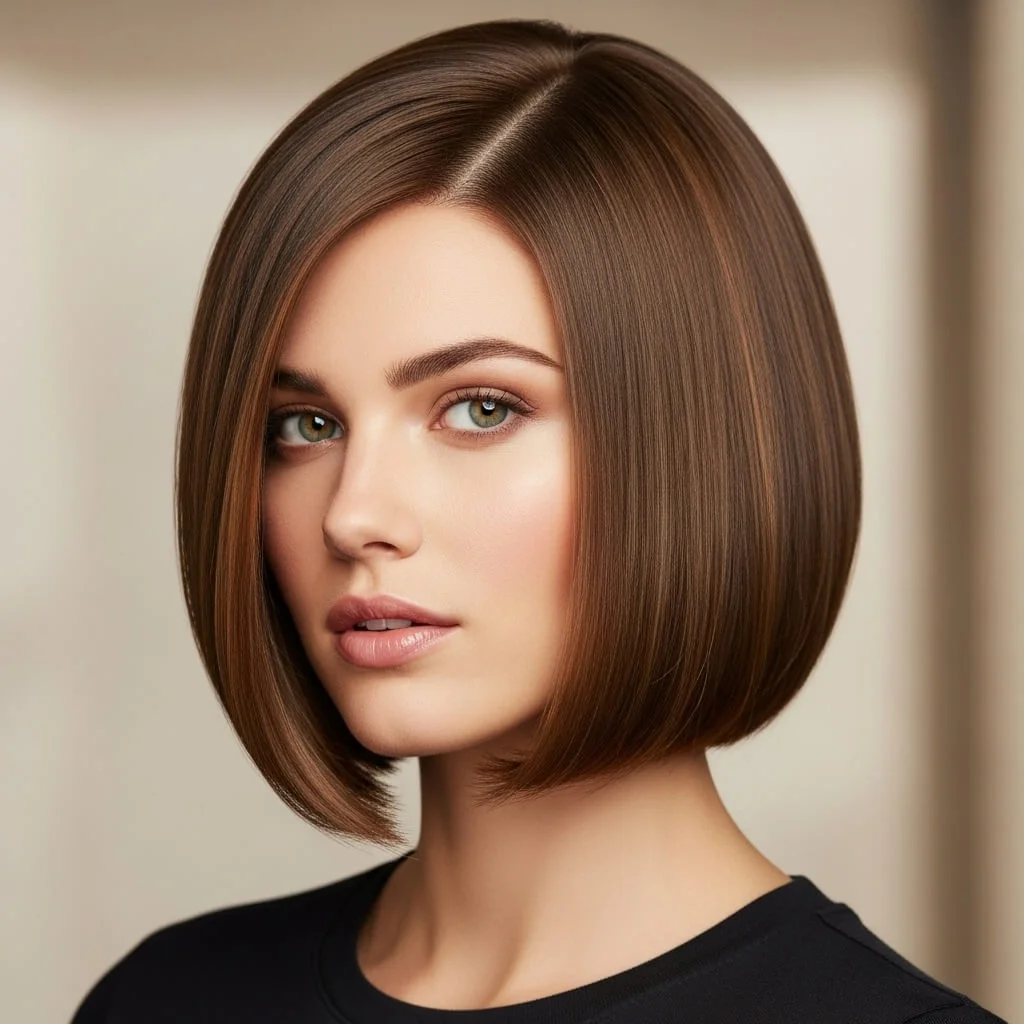
Minimal layering keeps fine hair looking dense. Too many layers can thin the ends. This bob keeps weight intact while still allowing movement.
Style by blow-drying straight down. Use a flat brush or fingers. Tuck the ends slightly inward for shape. No styling tools beyond a dryer are required.
For upkeep, trim every six to eight weeks. Use basic shampoo and a light conditioner. This cut stays polished without extra effort or costly products.
19. Bob with Soft Curtain Bangs

Curtain bangs add shape around the face while keeping the rest of the bob full. They divide the front section without removing density, which suits fine hair well.
Dry bangs first. Use a round brush or fingers to sweep them outward. Let the rest of the bob dry naturally. This keeps volume focused where it matters most.
Curtain bangs grow out smoothly. Small home trims help keep them balanced, reducing frequent salon visits.
20. Bob with Rounded Back Shape
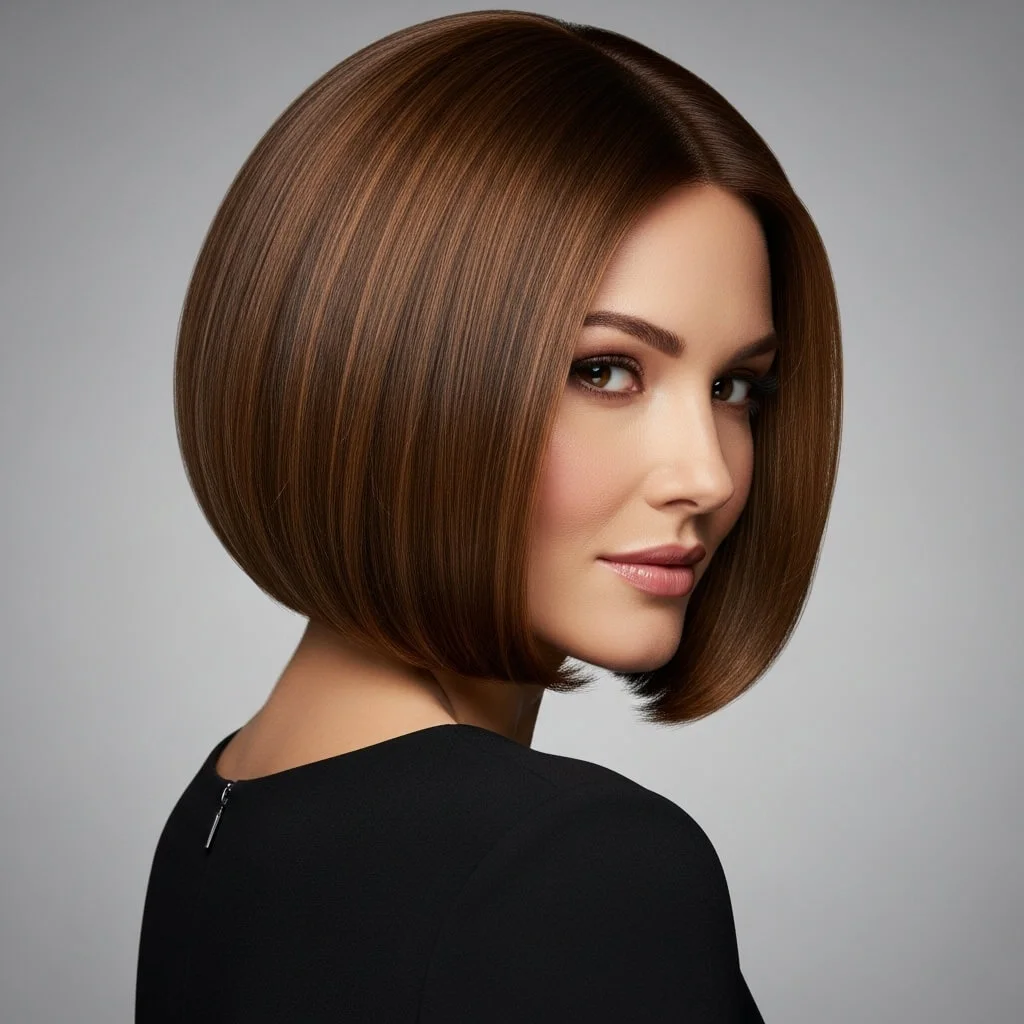
A rounded back creates natural lift without teasing or heavy products. Fine hair benefits from this shape because it avoids flatness at the nape.
Blow-dry the back first using a small round brush. Lift slightly while drying. Let the front air-dry or brush lightly. A touch of styling cream on the ends adds control.
This bob holds its shape well and stays tidy throughout the day. It suits workdays and relaxed routines alike.
21. Bob with Subtle Crown Lift
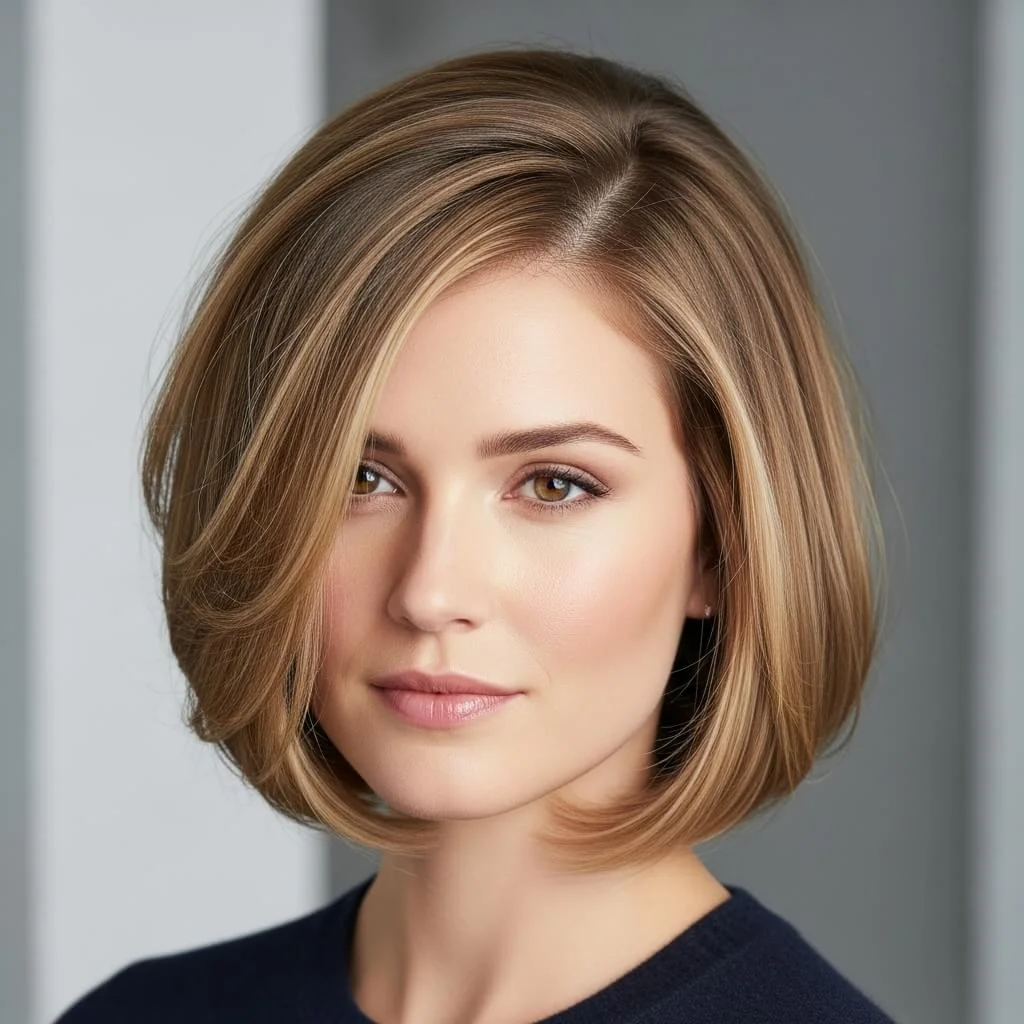
This bob creates gentle height at the crown without teasing or heavy sprays. For fine hair, small lift at the top changes the whole shape. It keeps the haircut from sitting flat while still looking natural.
Style by drying the crown first. Use fingers to lift hair upward for about thirty seconds. Then let the rest air-dry. This keeps effort low and avoids heat damage. Avoid round brushes at the top if hair feels fragile.
At home, switch your part slightly every few days. This simple habit keeps roots from settling in one direction. The cut stays neat even as it grows, making it friendly for stretched salon visits and everyday routines.
22. Bob with Wispy Ends
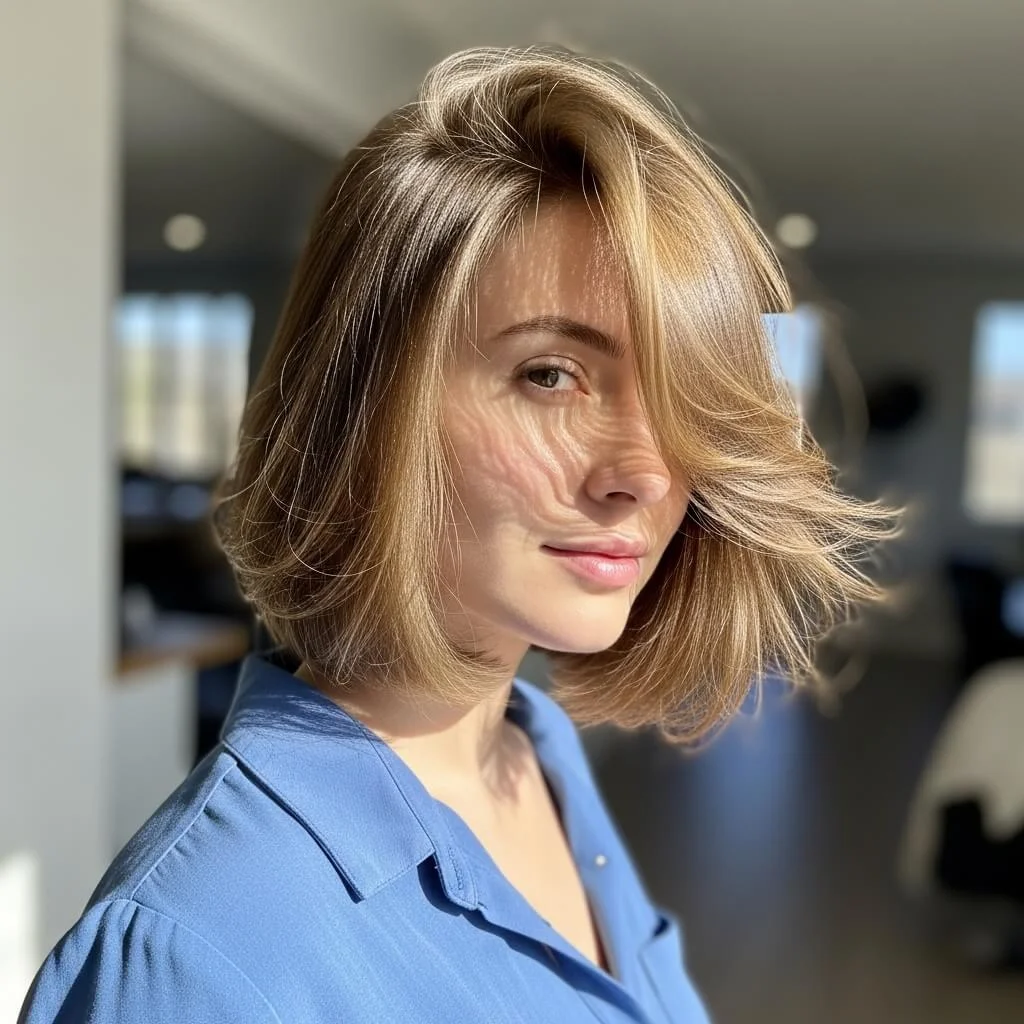
Wispy ends soften a bob while keeping fullness through the body. The tips are lightly thinned, not chopped. This keeps the haircut airy without losing shape.
For styling, rub a tiny amount of styling cream between palms and tap it onto the ends. Do not rake through. Let hair dry naturally or use a quick blow-dry. Overworking the ends can make fine hair look thinner.
This style grows out gently. You can maintain it with small trims at home if needed. It suits relaxed routines and works well with casual outfits.
23. Bob with Gentle A-Line Shape
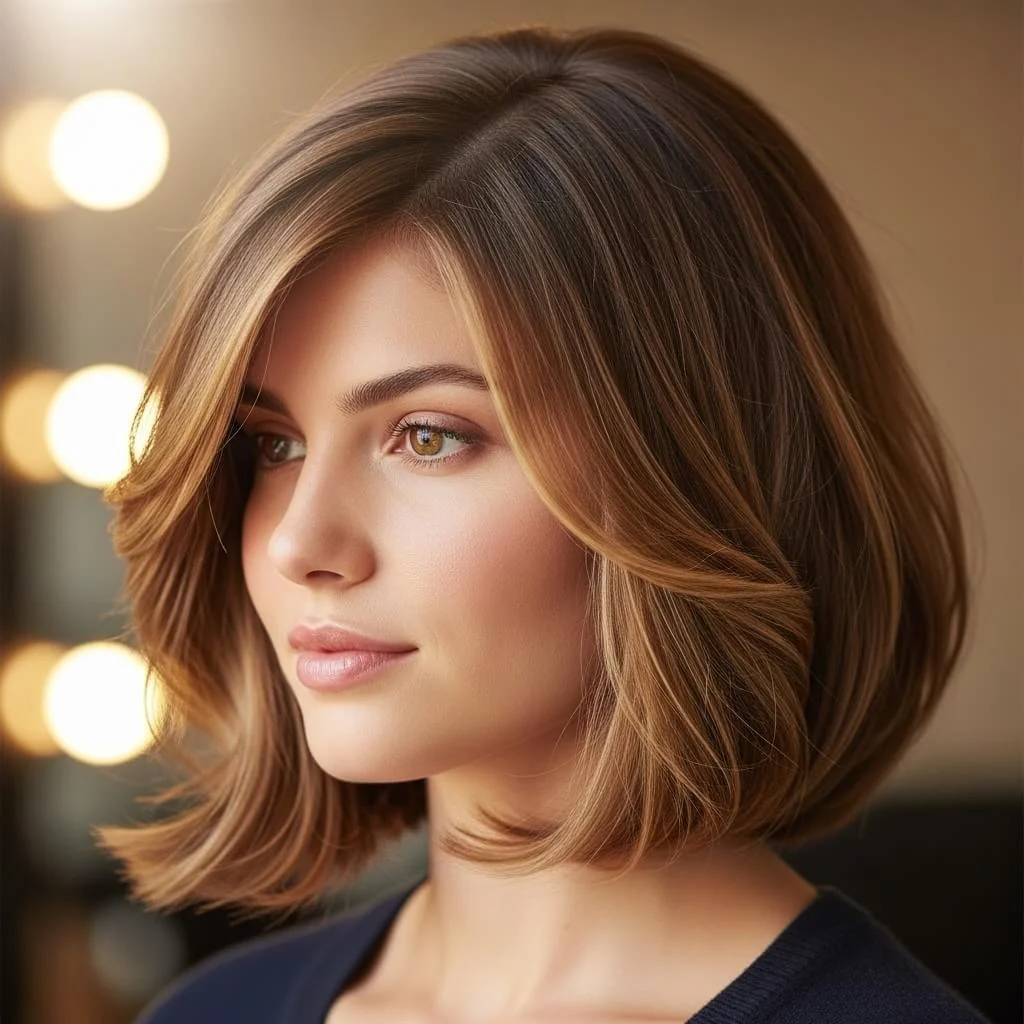
A gentle A-line keeps the back slightly shorter and the front a bit longer. This adds structure without sharp angles. Fine hair benefits because the front stays full while the back avoids flatness.
Dry the back first using a small brush for lift. Let the front fall naturally. This keeps styling quick. A light cream at the ends adds control without weight.
The shape holds well between trims. It also frames the face nicely without removing density. This makes it practical for daily wear and low-effort styling.
24. Bob with Side-Swept Finish
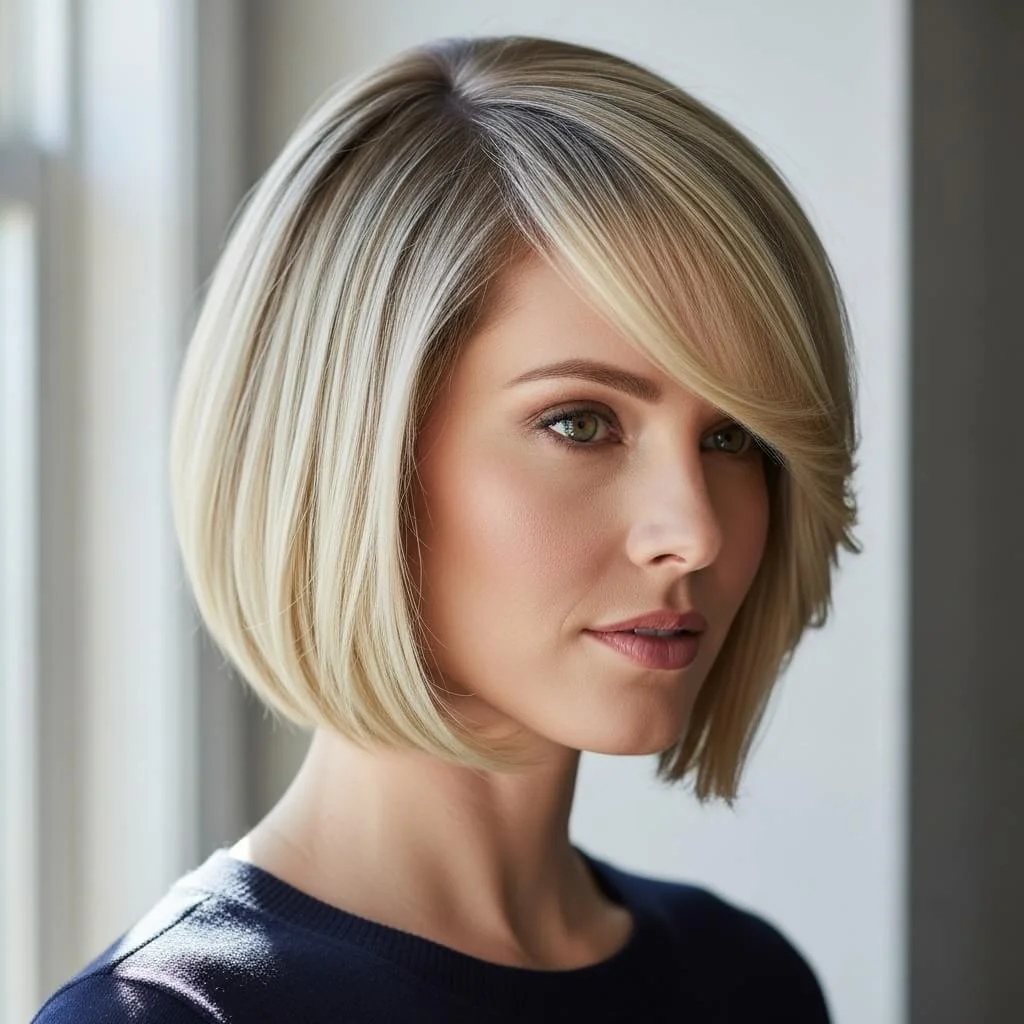
A side-swept finish changes the look of a basic bob instantly. It shifts weight to one side, making fine hair appear fuller along the part line.
Create the sweep while hair is damp. Blow-dry in that direction using fingers. This helps the shape last longer. Skip heavy sprays. A light hold cream is enough.
Switch sides every few days to avoid flat roots. This bob works well for busy mornings and stays tidy throughout the day.
25. Clean One-Length Bob
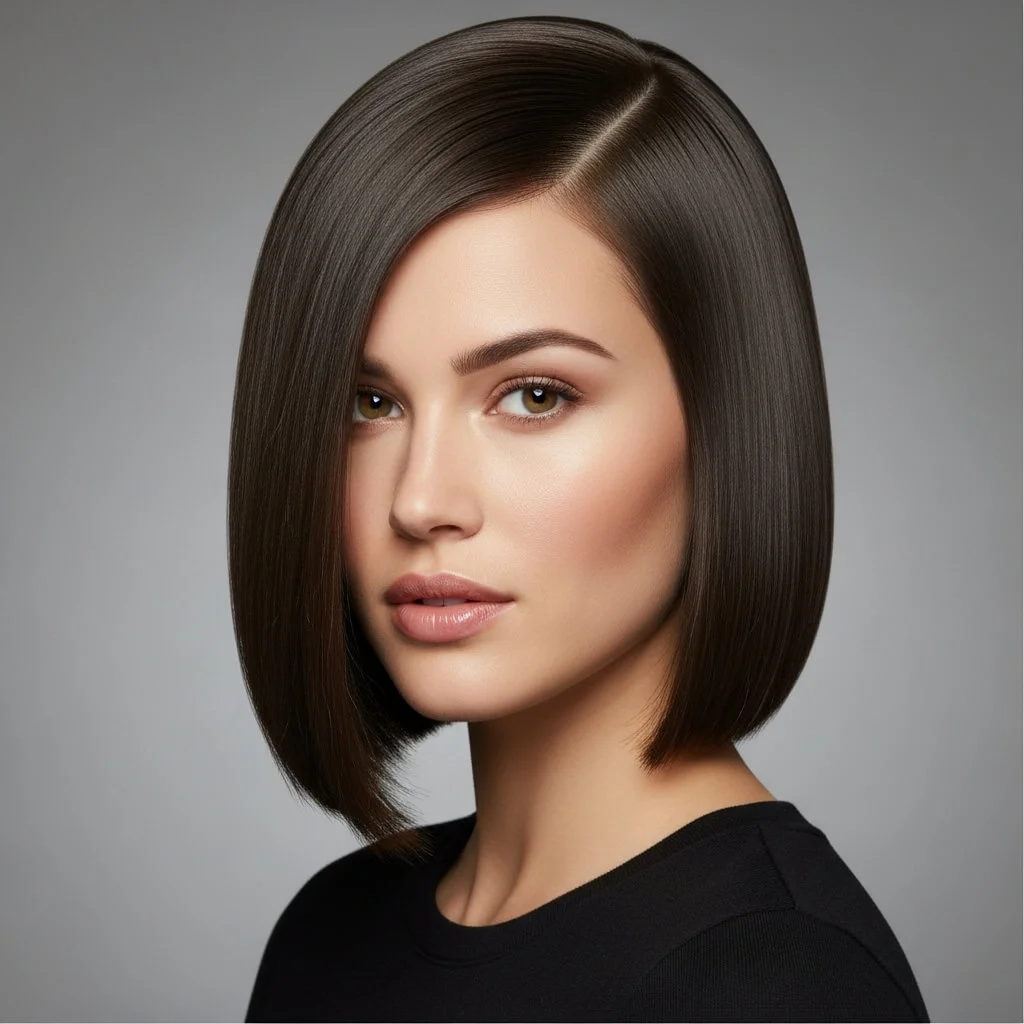
A one-length bob keeps all hair at the same level. For fine hair, this preserves density at the ends and creates a solid outline.
Style with a flat brush and downward airflow. Focus only on smoothing the ends. The top can air-dry. This saves time and reduces heat use.
Use basic shampoo and conditioner. Avoid thinning shears during trims. The clean one-length bob stays polished and simple, making it easy to manage on a budget.
Conclusion
Fine hair does not require complicated cuts or expensive tools to look fuller. The right bob shape, paired with simple habits, can change how hair falls and holds throughout the day. Small choices like part placement, light layering, and controlled ends make a visible difference. These bob hairstyles focus on easy care, realistic styling, and affordable upkeep you can manage at home. Choose one that fits your routine, keep products light, and enjoy a haircut that works with your hair instead of against it.